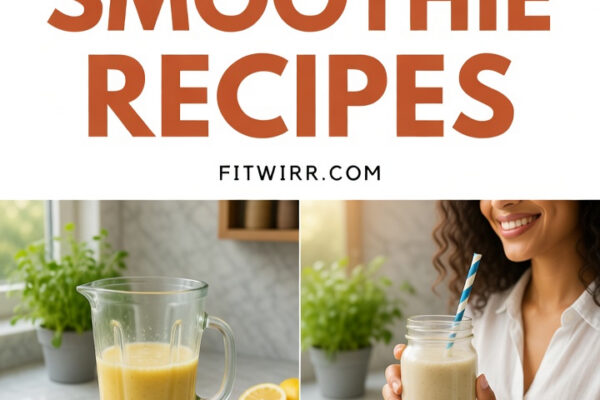
The Ultimate Guide to Weight-Loss Smoothies
Smoothies can be a tasty, practical tool for healthy weight loss—as long as you build them with the right ingredients. A well-designed smoothie can help you feel full, stay energized, and take in key vitamins, minerals, fiber, and protein without turning into a hidden calorie bomb. Below is a clear, step-by-step approach to creating smoothies for weight loss that are satisfying and nutrient-dense.

1. Start With a Smart Liquid Base
Your liquid base sets the tone for calories, texture, and hydration. For a lighter smoothie, choose low-calorie liquids that blend well and keep you refreshed.
- Water: Calorie-free, simple, and highly hydrating
- Unsweetened almond milk: Creamy texture with minimal calories and no added sugar
- Coconut water: Light and refreshing, plus natural electrolytes
- Green tea (cooled): Antioxidant-rich and often linked to metabolism support
- Low-fat or non-fat Greek yogurt: Adds thickness, protein, and probiotics for gut health
2. Add Protein to Stay Full Longer
Protein is essential for satiety, muscle support, and more stable energy. Including a quality protein source can make your smoothie feel like a real meal.
- Protein powder (whey or plant-based): Convenient and high-protein; choose low-sugar options
- Plain Greek yogurt: Naturally protein-rich; avoid sweetened versions
- Chia seeds: Provide protein, fiber, and healthy fats in a small serving
- Peanut butter or almond butter: Adds protein and fats—use small portions because it’s calorie-dense
3. Choose Low-Calorie Fruits and Vegetables
The best weight-loss smoothies rely on high-volume, nutrient-rich produce that delivers fiber and micronutrients without excessive calories.
- Spinach or kale: Low-calorie leafy greens that blend smoothly and taste mild
- Cauliflower: Neutral flavor and adds a creamy feel with extra fiber
- Berries (strawberries, blueberries, raspberries, blackberries): Lower in sugar than many fruits and rich in antioxidants
- Avocado: Higher in calories but offers filling healthy fats and a silky texture
- Cucumber: Hydrating, light, and refreshing
- Apples or pears: Great for natural sweetness and digestion-supporting fiber
4. Increase Fiber for Better Appetite Control
Fiber supports digestion, helps you feel satisfied, and may help keep blood sugar steadier—making it a key ingredient category for fat-loss smoothies.
- Flaxseeds: High in fiber and omega-3s; supports fullness
- Chia seeds: Excellent fiber boost and thickens smoothies naturally
- Oats: A good source of soluble fiber that helps you stay satisfied
- Psyllium husk: Very concentrated fiber that adds bulk and fullness
5. Include Healthy Fats (In the Right Amount)
Healthy fats can support hormones, skin health, and long-lasting satiety. The key is portion control so the smoothie stays aligned with your calorie goals.
- Flaxseeds: Omega-3 fats plus fiber
- Chia seeds: Fats + fiber = stronger fullness
- Avocado: Creaminess and satisfying monounsaturated fats
- Coconut oil: Contains MCTs, often used for energy and potential metabolism support
- Nut butters: Peanut, almond, or cashew butter for fats and protein (use sparingly)
6. Boost Nutrition With Superfoods
“Superfoods” can add concentrated nutrients and support wellness. They won’t replace consistent habits, but they can enhance your smoothie’s overall value.
- Matcha powder: Antioxidants plus a mild caffeine boost
- Spirulina or chlorella: Algae-based options with protein, vitamins, and minerals
- Turmeric: Contains curcumin; known for anti-inflammatory benefits
- Ginger: Supports digestion and may offer a gentle thermogenic effect
7. Add Natural Sweetness (Only If Needed)
If your smoothie tastes too “green,” choose low-calorie sweetening options instead of sugar or syrup.
- Stevia: Plant-based and calorie-free
- Monk fruit: Naturally sweet with zero calories
- Cinnamon: Adds warmth and sweetness without sugar; may support blood sugar balance
- Vanilla extract: Adds aroma and perceived sweetness without calories
8. Support Hydration and Electrolytes
Hydration matters for overall health and can support weight-loss efforts. Adding electrolytes may be helpful, especially if you’re active or sweating often.
- Coconut water: Natural potassium and electrolytes
- Lemon or lime juice: Bright flavor and a refreshing finish
Ultimate Weight-Loss Smoothie Recipe
Ingredients
- 1 cup spinach or kale
- 1/2 avocado
- 1/2 cup unsweetened almond milk
- 1/2 cup frozen mixed berries
- 1 tbsp chia seeds
- 1 scoop protein powder (optional)
- 1/2 tsp ground turmeric or ginger (optional)
- Ice cubes (optional, for a thicker texture)
Instructions
- Add all ingredients to a blender.
- Blend until smooth and creamy. Add more almond milk or water to adjust consistency.
- Pour into a glass and drink immediately.
Tips for Better Results
- Control portions: Even “healthy” smoothies can become high-calorie with large servings or too many add-ins. Use measuring cups if needed.
- Build balance: Aim for protein + fiber + healthy fat so your smoothie works as a satisfying meal.
- Use moderation: Too many smoothies can push calories up. A common target is 1–2 per day, especially when replacing meals.
- Replace a meal, not a snack: Smoothies work best as breakfast or lunch when they include enough protein, fiber, and fats.
- Pair with exercise: For the best weight-loss outcome, combine smart nutrition with regular movement and strength training.
Final Thoughts
Weight-loss smoothies can be a convenient, nutrient-packed way to support your goals—especially when they’re built around low-calorie produce, high-quality protein, and fiber-rich add-ins. Keep an eye on total calories, choose ingredients that genuinely keep you full, and use smoothies as part of an overall healthy eating and activity routine.