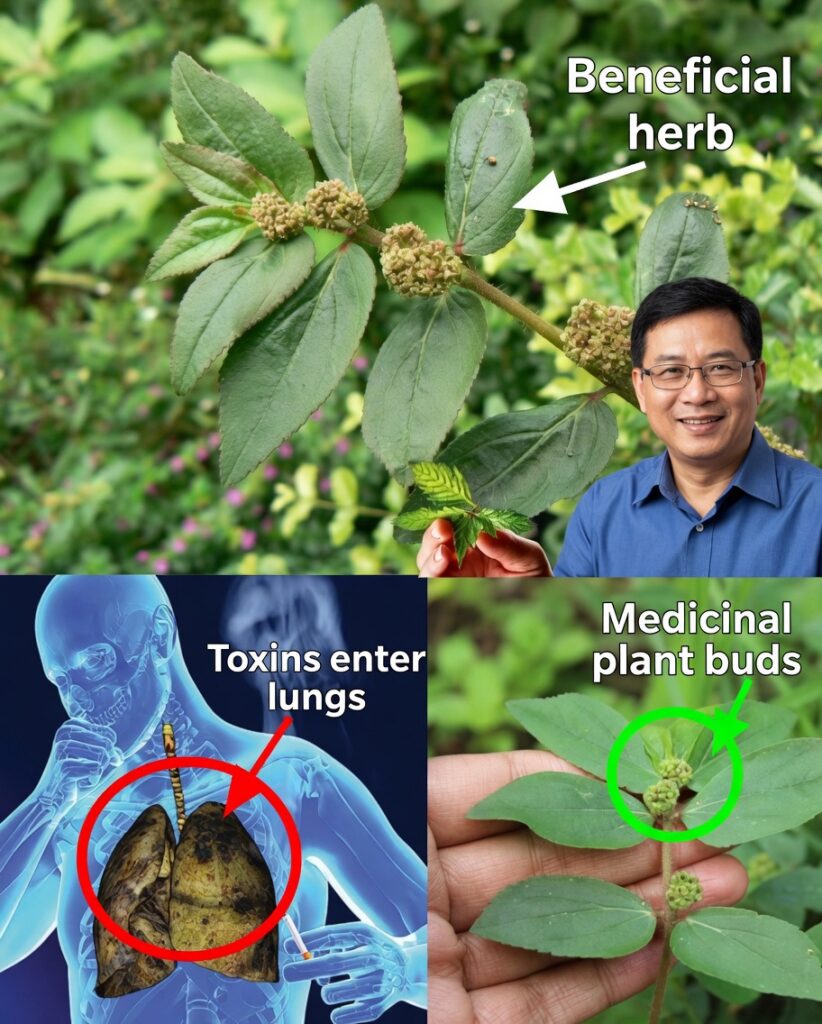
Euphorbia Hirta (Asthma Plant): Benefits, Uses, and Safety Guide
Among medicinal plants, a few highly effective herbs still don’t get the attention they deserve. Euphorbia hirta, often called the Asthma Plant, is one of those overlooked natural remedies.
For generations, this traditional herb has been used to support breathing and lung function, ease digestive discomfort, calm skin problems, and help the body respond to infections. Despite its long history in folk medicine, many people are still unfamiliar with what it can do.
Key potential benefits of Euphorbia hirta include:
- Supports respiratory health and may help ease asthma-related symptoms
- Strengthens immune defenses and helps the body fight infections
- Promotes digestion and may reduce common stomach complaints
- Helps reduce inflammation and soothe irritated skin
- May support blood sugar balance and natural detox processes
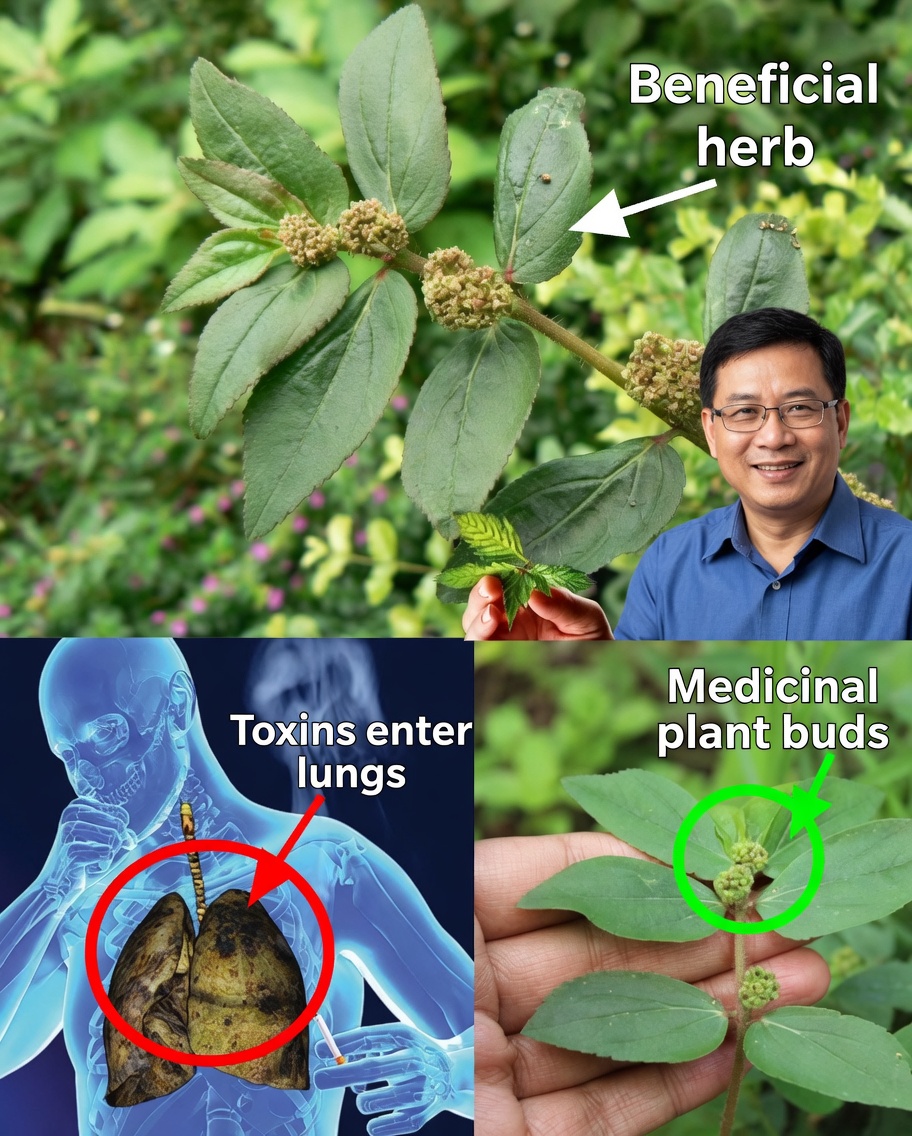
What Is Euphorbia Hirta?
Euphorbia hirta is a wild-growing herb commonly found in warm climates and used widely in traditional medicine.
- Scientific name: Euphorbia hirta
- Common names: Asthma Plant, Snakeweed, Garden Spurge
- Where it grows: Tropical and subtropical regions, including parts of Asia, Africa, and South America
- Traditional use: Often used for respiratory support, immune health, digestive relief, and anti-inflammatory purposes
Even though it commonly appears along roadsides, fields, and gardens, Euphorbia hirta is considered a medicinal powerhouse in many herbal traditions.
Active Compounds: Why This Herb Is So Potent
The health value of Euphorbia hirta comes from its naturally occurring plant chemicals, including:
- Flavonoids: Antioxidants that help counter oxidative stress and inflammation
- Alkaloids and tannins: Known for antibacterial, antiviral, and antifungal actions
- Saponins: Linked with immune support and internal cleansing effects
- Terpenoids: Associated with lung support and respiratory function
- Phenolic compounds: Often connected to skin repair and wound recovery
Together, these compounds explain why the Asthma Plant is used for such a wide range of wellness needs.
1. Respiratory Support and Asthma Relief
Euphorbia hirta is best known for its reputation in lung and airway support.
- Traditionally used for asthma, bronchitis, and persistent cough
- May help relax the airways (bronchodilator-like effects), making breathing feel easier
- Can support relief from wheezing, mucus buildup, and lung irritation
- Commonly prepared as herbal tea or taken as an extract for respiratory comfort
This is often the top choice for people seeking natural support during allergies, seasonal coughs, or respiratory infections.
2. Immune Support and Infection Defense
Thanks to its antimicrobial properties, Euphorbia hirta has been used in many cultures to help the body resist illness.
It is traditionally used to support recovery from common issues such as:
- Colds, flu, and sore throat
- Fungal skin concerns and minor wound infections
- Urinary tract infections (UTIs)
It also provides antioxidants that support immune resilience. In some traditional systems, it has been used during outbreaks of fever-related illnesses, including dengue and malaria (as supportive care, not a substitute for medical treatment).
3. Digestive Relief and Gut Health
Euphorbia hirta is frequently used as a natural digestive aid, especially when the stomach feels unsettled.
- May ease bloating and gas
- Used traditionally for cramps, indigestion, and stomach discomfort
- Commonly taken for diarrhea and dysentery in folk medicine
- May help reduce harmful gut microbes while supporting a healthier intestinal environment
Many people drink it as an infusion or tea when digestion feels sluggish or sensitive.
4. Anti-Inflammatory Effects and Natural Pain Support
Chronic inflammation can contribute to discomfort throughout the body. Euphorbia hirta is valued for its potential to help calm inflammatory responses.
It may help with:
- Joint pain and arthritis-related stiffness
- Muscle aches and general body soreness
- Ongoing inflammatory conditions where swelling and irritation are present
Traditionally, it has also been used externally to support recovery from minor wounds, burns, and skin irritation.
5. Blood Sugar Balance and Detox Support
Euphorbia hirta is sometimes used to support metabolic wellness.
- May help support healthy blood sugar regulation, making it of interest for people managing diabetes (with medical guidance)
- Contains compounds associated with liver support and natural detox pathways
- Traditionally used to assist the body in clearing unwanted waste products
If your goal is natural support for blood sugar and liver function, this herb is often included in traditional protocols.
6. Skin Healing and Anti-Aging Benefits
In herbal skincare traditions, Euphorbia hirta is used for both healing and appearance-related benefits.
Common traditional uses include:
- Supporting wound healing and faster skin recovery
- Calming eczema, rashes, and acne-prone skin
- Helping reduce the look of scars and blemishes over time
- Acting as a natural antiseptic, helping protect irritated areas
- Providing antioxidants that may support skin elasticity and slower visible aging
It’s often chosen by people looking for gentle, plant-based support for recurring skin issues.
How to Use Euphorbia Hirta Safely
1. Euphorbia Hirta Tea (For Respiratory and Immune Support)
- Use 1–2 teaspoons of dried leaves
- Simmer in 1 cup of water for 10–15 minutes
- Strain and drink warm
- Optional: add honey or lemon for flavor
Often used for cough, asthma support, seasonal flu, and immune support.
2. Euphorbia Hirta Powder (For Digestion and Inflammation)
- Dry the leaves and grind into a fine powder
- Mix 1/2 teaspoon into warm water or blend into smoothies
Commonly used for gut comfort, digestion support, and inflammation-related concerns.
3. Topical Application (For Skin and Wound Care)
- Crush fresh leaves into a paste
- Apply to minor cuts, acne spots, or inflamed skin
Traditionally used for skin irritation, minor infections, and wound support.
Precautions and Safety Tips
To use Euphorbia hirta more responsibly, keep these safety guidelines in mind:
- Patch test first for topical use: apply a small amount to the wrist and wait 24 hours before wider application
- Avoid during pregnancy and breastfeeding: it may stimulate uterine activity—consult a clinician first
- Speak with a healthcare professional for long-term use: this herb is potent, and overuse may cause unwanted effects
Final Takeaway: An Underrated Herbal Ally
Euphorbia hirta (Asthma Plant) is traditionally used for:
- Respiratory support
- Immune protection
- Digestive relief
- Inflammation and discomfort
- Skin healing and skincare support
If you’re exploring natural wellness options, you can start with tea, powder, or topical use depending on your goal.
Many people still don’t realize how versatile Euphorbia hirta is—but now you do.