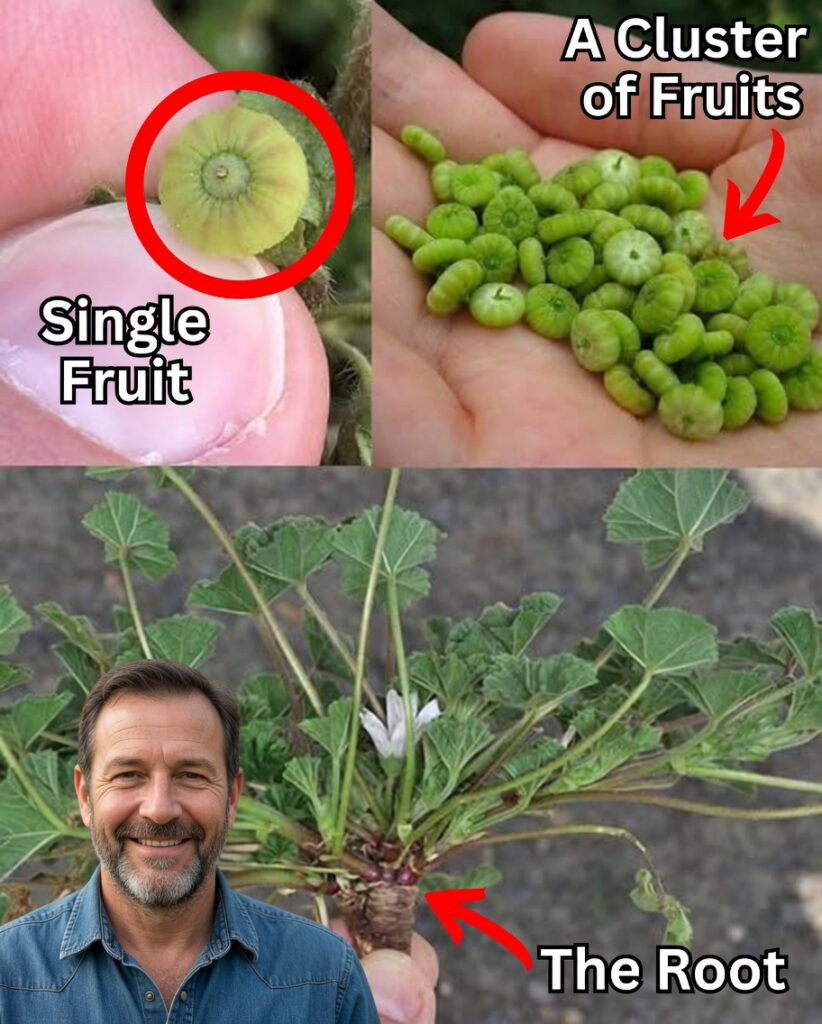
Common Mallow Leaves: Benefits, Uses, and How to Add This Traditional Herb to Your Routine
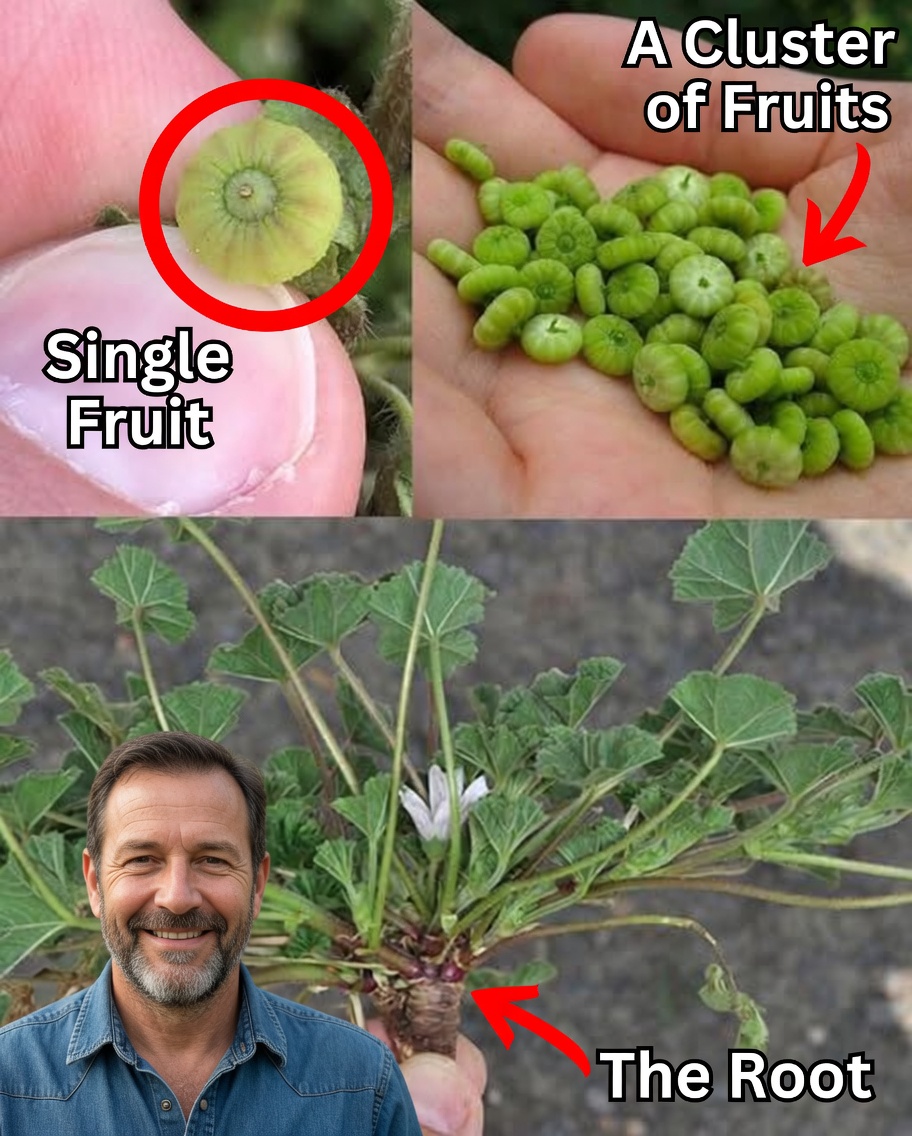
Among the many natural remedies and wellness herbs used around the world, common mallow (Malva neglecta and Malva sylvestris) often goes unnoticed. Yet this plant has a long history in traditional medicine, valued for its soothing, protective qualities and its impressive nutrient content. Below is a practical guide to the key health benefits of common mallow leaves and the most popular ways to use them.
1. Gentle Support for Digestion
Common mallow leaves are rich in mucilage, a gel-like substance that can coat and protect the digestive lining. This calming effect may help ease discomfort linked to gastritis, acid reflux, and irritable bowel syndrome (IBS) by reducing irritation and supporting a smoother digestive process.
2. A Natural Anti-Inflammatory Option
Mallow leaves contain flavonoids, plant compounds known for their anti-inflammatory activity. Because of this, common mallow is often used as a gentle herbal ally for joint pain, arthritis discomfort, and muscle soreness.
3. Immune System Support Through Antioxidants
With antioxidants such as vitamin C and vitamin A, common mallow leaves can help the body defend itself against free radical damage. Lowering oxidative stress supports overall immune function and long-term wellness.
4. Traditional Relief for the Respiratory System
Common mallow leaf tea is widely used to soothe sore throats and calm persistent coughing. Its mucilage content may help coat irritated tissues, making it a popular traditional choice for easing symptoms linked to bronchitis and throat irritation.
5. Help for Urinary Tract Health
Common mallow has been described as a mild natural diuretic, meaning it may encourage urine flow. This can support urinary tract function by helping the body flush waste and may play a role in reducing the likelihood of kidney stone formation, although individual results can vary.
6. Skin Soothing and Wound Support
When used externally, mallow leaf preparations may help with minor wounds and irritated skin. Thanks to its soothing, antimicrobial, and anti-inflammatory qualities, it is often considered helpful for those dealing with dryness and flare-ups commonly seen in eczema or psoriasis.
7. A Potential Ally for Heart Health
The phytonutrients in common mallow may contribute to cardiovascular wellness, with traditional use and early research suggesting possible support for maintaining healthy blood pressure and balancing LDL (“bad”) cholesterol.
8. A Nutrient-Dense Leafy Herb
Common mallow leaves offer a range of essential minerals, including:
- Magnesium
- Iron
- Calcium
- Potassium
These nutrients are important for bone strength, muscle function, and healthy cellular activity.
9. Early Interest in Anti-Cancer Properties
Initial studies have raised interest in the phytochemicals found in mallow leaves and their potential role in cellular protection. However, this area is still developing, and more research is needed before drawing firm conclusions about anti-cancer effects.
10. Helpful for Weight Management
Mallow leaves are low in calories while providing dietary fiber, making them a smart addition to a balanced eating plan. Fiber supports fullness and can help reduce overall calorie intake, which may assist with appetite control and weight management.
How to Use Common Mallow Leaves
Culinary Uses
Common mallow leaves are edible and have a mild, slightly sweet taste. They can be used in:
- Salads (young leaves work best)
- Soups and stews (they can add gentle thickness due to mucilage)
- Smoothies for added nutrients
A simple option is to sauté the leaves with garlic and olive oil as a side dish.
How to Make Common Mallow Tea
To prepare a soothing herbal tea:
- Add dried common mallow leaves to boiling water.
- Let steep for about 10 minutes.
- Strain and drink warm.
This tea is commonly used for throat comfort, digestive support, and general wellness.
Topical Applications
For external use:
- Crush fresh leaves into a poultice and apply to irritated skin or minor wounds.
- Use mallow extracts in creams or ointments to help soothe dry, sensitive skin.
Tips for Adding Common Mallow to Your Wellness Routine
If you plan to use common mallow regularly—especially alongside medications or while managing a medical condition—consult a qualified healthcare professional to ensure it fits safely into your overall health plan.
Conclusion
Common mallow is more than a wild plant—it is a versatile traditional herb with benefits that range from digestive soothing and respiratory comfort to skin support and nutritional value. Exploring common mallow leaves may be a meaningful step toward a more natural, holistic approach to everyday well-being.
Disclaimer
This content is provided for general informational purposes only. While care has been taken to present accurate and complete information, no guarantee is made that the content is free of errors or omissions. No express or implied warranties are provided regarding accuracy. The author accepts no legal responsibility for any injury or damage arising from the use of this information. Always consult a qualified healthcare professional for diagnosis and treatment of medical conditions.