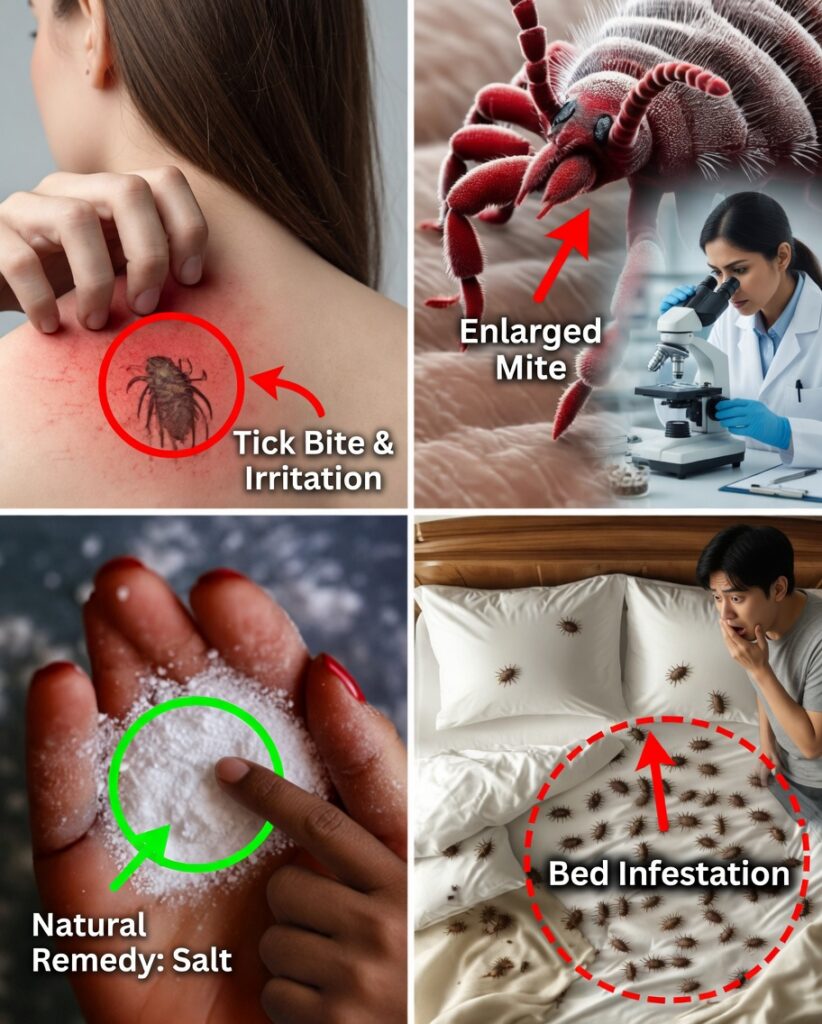
A Cleaner, Healthier Sleep Space: How to Get Rid of Dust Mites and Bedbugs Naturally
A fresh, hygienic bedroom is a key part of overall wellbeing. Yet many mattresses quietly collect allergens and pests over time—especially dust mites and bedbugs. These unwanted invaders can lead to itching, allergy flare-ups, and restless nights. Below is a practical guide to what they are, how they end up in your bed, and natural, eco-friendly ways to remove them.
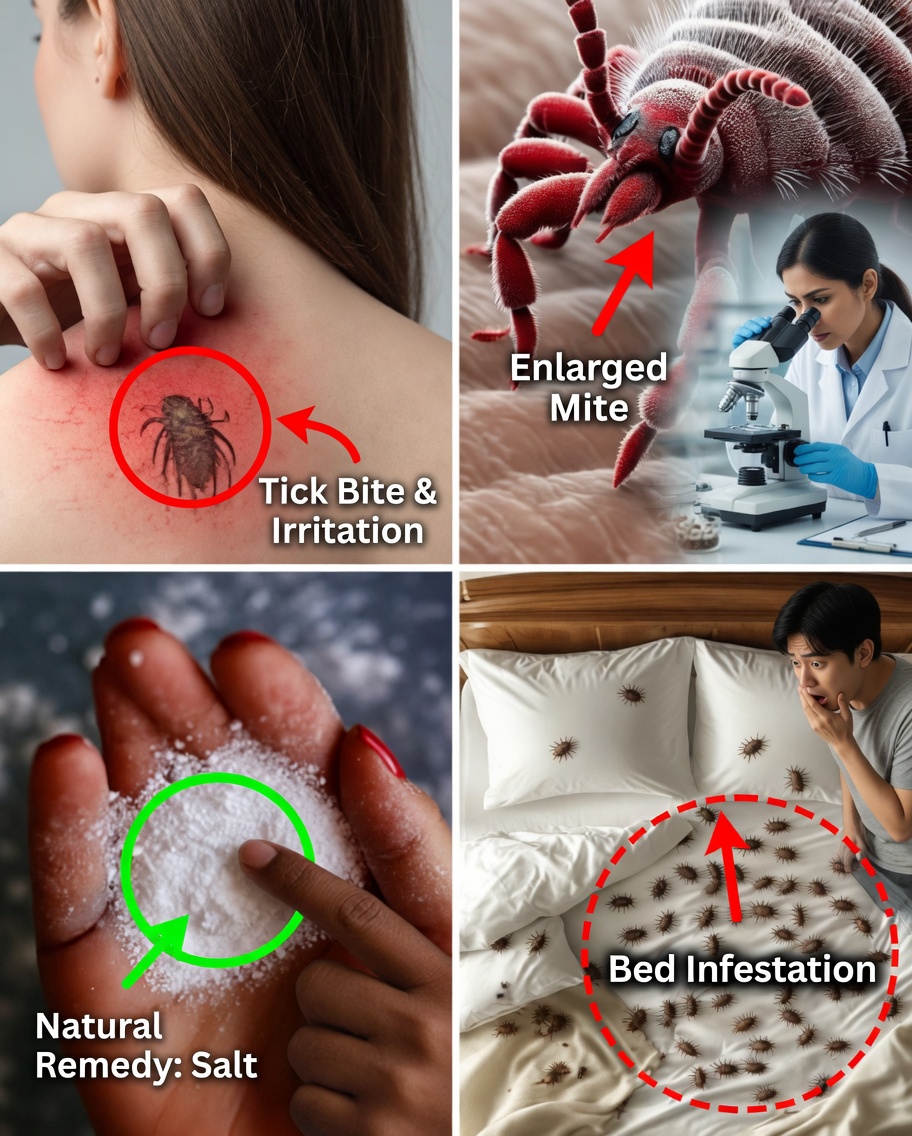
What Are Dust Mites and Bedbugs?
Dust Mites
Dust mites are tiny, invisible organisms that prefer warm, humid conditions.
- They feed on shed skin flakes from people and pets, which makes mattresses a perfect home.
- Their waste particles can irritate the airways and may worsen allergies and asthma.
Bedbugs
Bedbugs are small, flat, reddish-brown insects that survive by feeding on human or animal blood.
- They hide in mattress seams, cracks, crevices, and soft furniture.
- Their bites often cause itchy red bumps and can interrupt sleep due to irritation and stress.
How Do Dust Mites and Bedbugs Get Into a Mattress?
Common Causes of Dust Mites
Dust mites multiply when there is:
- A buildup of dead skin cells
- High indoor humidity
- Infrequent or ineffective cleaning routines
Common Causes of Bedbugs
Bedbugs typically arrive by “hitchhiking,” including:
- Travel exposure (in luggage, backpacks, or clothing)
- Used items such as secondhand mattresses or furniture
- Migration through wall gaps from a nearby infestation in apartments or shared buildings
Natural Methods to Eliminate Dust Mites and Bedbugs
1) Baking Soda (Sodium Bicarbonate)
Baking soda is a simple household option that helps reduce moisture and odors.
- Pulls in moisture, making the surface less welcoming for pests
- Helps deodorize and offers mild antibacterial benefits
How to use it
- Sprinkle a generous layer across the mattress.
- Leave it for 2–3 hours.
- Vacuum slowly and thoroughly.
- Repeat every 1–2 weeks for best results.
2) Essential Oils (Natural Repellent Support)
Some essential oils are widely used as natural pest deterrents, including:
- Tea tree
- Eucalyptus
- Lavender
- Peppermint
How to use them
- Add 10–15 drops of essential oil to 1 cup of water in a spray bottle.
- Lightly mist the mattress (avoid soaking it).
- Let it air-dry completely before making the bed.
3) Steam Cleaning (Heat Treatment)
Steam is one of the most effective natural tools because high heat kills mites, bedbugs, and eggs.
How to use it
- Run a handheld steam cleaner slowly over the entire mattress.
- Pay extra attention to edges, seams, and stitching, where pests hide.
- Allow the mattress to dry fully before putting bedding back on.
4) Diatomaceous Earth (Food-Grade DE)
Food-grade diatomaceous earth is a non-toxic powder that damages pests’ outer layers, causing dehydration.
For dust mites
- Dust a light layer on the mattress and nearby carpet/rugs.
- Leave for 4–6 hours.
- Vacuum thoroughly.
For bedbugs
- Apply a thin dusting along seams, corners, and cracks near the bed.
- Leave it for 24–48 hours.
- Vacuum well and reapply when needed.
Extra Prevention Tips for a Pest-Free Mattress
- Wash bedding hot: Use 130°F / 55°C water when possible, and dry on high heat.
- Lower humidity: Keep indoor humidity under 50% using ventilation or a dehumidifier.
- Vacuum regularly: Focus on the mattress, bed frame, headboard, and surrounding floor area.
- Use mattress protectors: Choose hypoallergenic, zippered covers to block allergens and reduce hiding spaces.
- Be cautious with secondhand items: Inspect and clean used furniture or textiles before bringing them indoors.
- Reduce clutter near the bed: Fewer objects means fewer hiding places for bedbugs.
Conclusion
Dust mites and bedbugs can seriously affect comfort and sleep quality, but you can tackle them with natural solutions such as baking soda, essential oil sprays, steam cleaning, and food-grade diatomaceous earth. Combine these methods with consistent cleaning and humidity control to maintain a clean, healthy, pest-resistant sleeping environment.