Hibiscus and Ginger: Natural Remedies With Potential Anti-Cancer Benefits
Hibiscus and ginger have been valued in traditional medicine for generations. Today, emerging research suggests that these medicinal plants may offer anti-cancer support thanks to their antioxidant and anti-inflammatory compounds—especially when they’re used consistently as part of a balanced, healthy lifestyle.
Why Hibiscus (Hibiscus sabdariffa) Is So Popular in Herbal Medicine
Hibiscus—particularly Hibiscus sabdariffa—is known for its high concentration of health-protective nutrients, including:
- Antioxidants such as flavonoids and anthocyanins
- Anti-inflammatory plant compounds
- Vitamin C and a wide range of polyphenols
Potential Cancer-Supporting Benefits of Hibiscus
Regular hibiscus intake may contribute to wellness in several ways that are often linked to cancer prevention support:
- Helps neutralize free radicals, which can damage cells over time
- May slow the spread or growth of abnormal cells, according to some lab studies
- Supports liver detoxification, an organ essential for filtering toxins
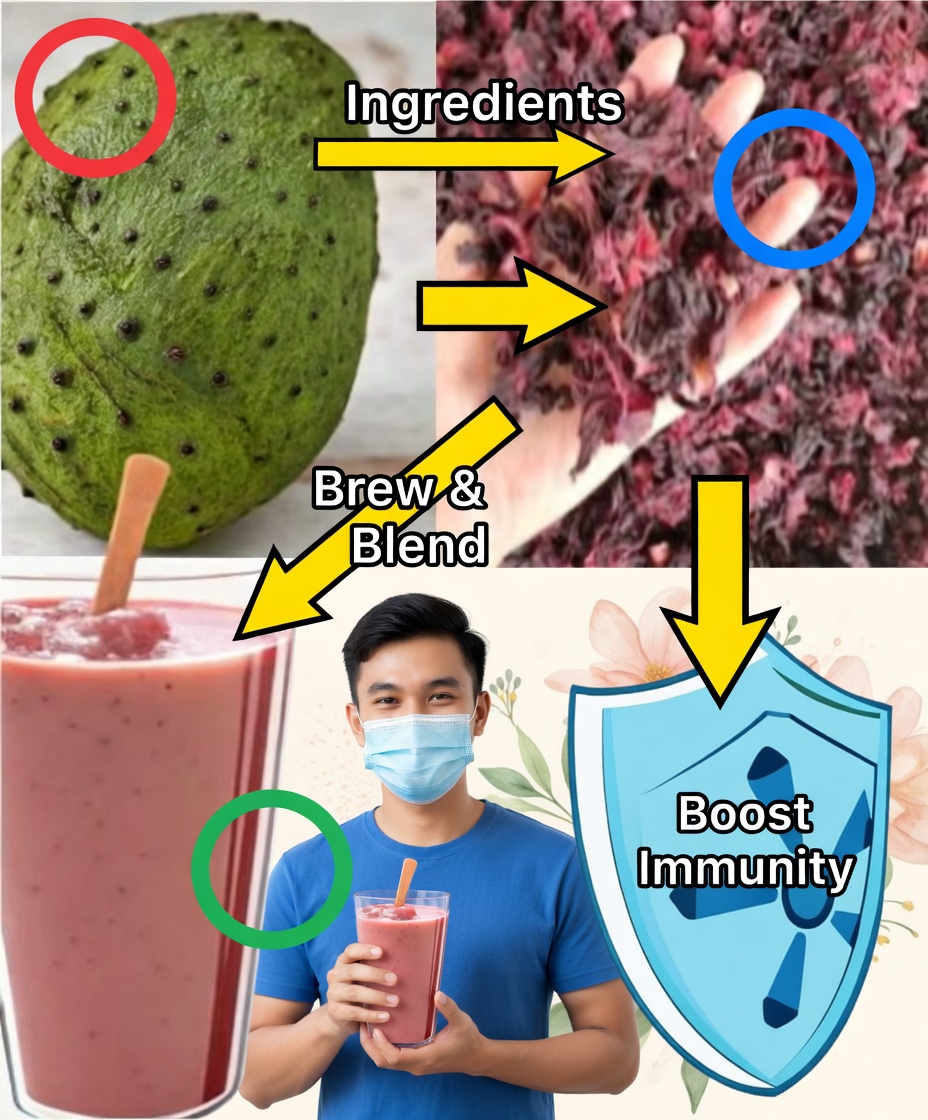
- Contributes to immune system resilience, helping the body maintain stronger defenses
Why Ginger Is a Powerful Medicinal Root
Ginger is rich in bioactive compounds that give it its signature heat and many of its health benefits, such as:
- Gingerol
- Shogaol
- Zingerone
Potential Cancer-Supporting Benefits of Ginger
Ginger is widely studied for its effects on inflammation and oxidative stress—two factors associated with many chronic diseases. Key benefits may include:
- Strong anti-inflammatory and antioxidant activity
- Potential to reduce tumor-related activity in certain research settings
- Helps strengthen immune function
- Commonly used to ease nausea, including nausea associated with some cancer treatments
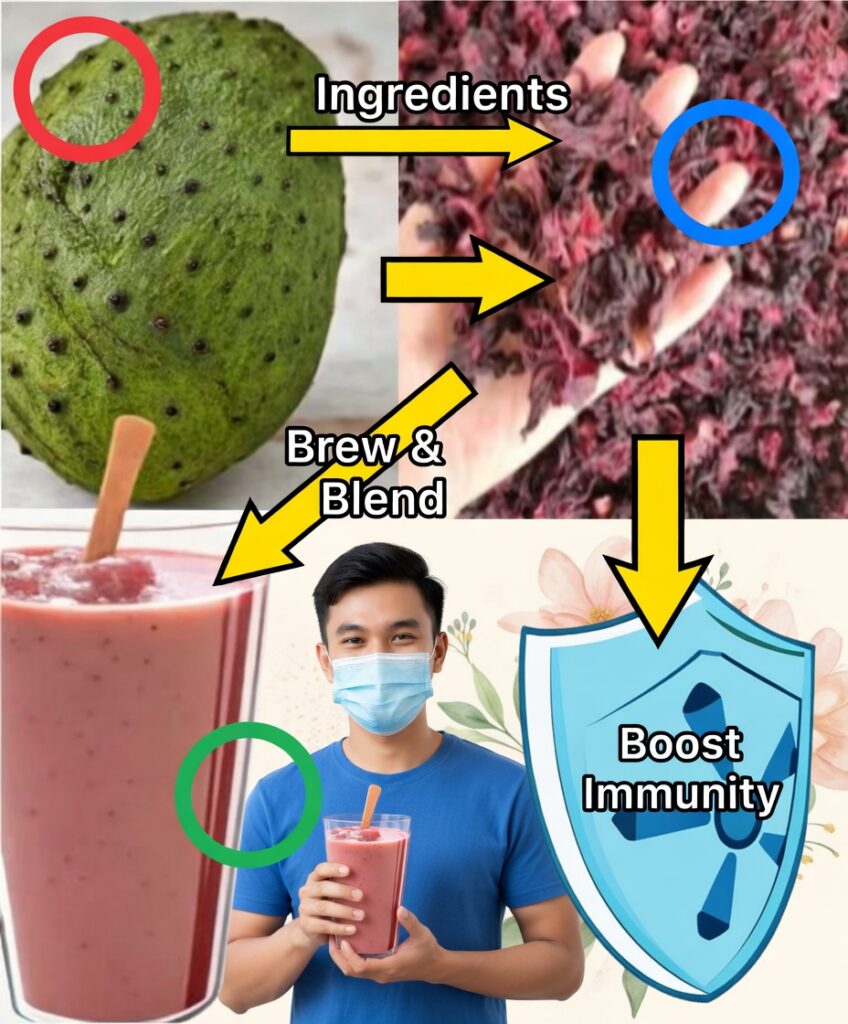
Hibiscus and Ginger Tea Recipe (Daily Wellness Drink)
Ingredients
- 2 tablespoons dried hibiscus petals
- 1 small piece fresh ginger (or 1 teaspoon ginger powder)
- 2 cups water
- 1 teaspoon honey (optional)
- Juice of ½ lemon (optional, for extra vitamin C)
Instructions
- Bring 2 cups of water to a boil.
- Add the hibiscus petals and sliced ginger.
- Reduce heat and simmer for 10–15 minutes.
- Strain the tea, then add honey and lemon if you like.
- Enjoy warm or chilled, about 1–2 cups per day.
Additional Wellness Benefits of Hibiscus-Ginger Tea
Many people drink hibiscus and ginger tea not only for its flavor, but also for overall health support. Potential benefits include:
- Supports healthy circulation and may help “cleanse” the blood in traditional herbal terms
- Helps strengthen the immune system
- May assist in reducing inflammation
- Supports natural liver and kidney detox processes
- Promotes heart health as part of a healthy diet
- Helps fight oxidative stress
Important Note About Natural Remedies and Cancer
This herbal tea is not a replacement for medical cancer treatment. However, it may be a helpful addition to a wellness routine—especially for supporting hydration, inflammation balance, and overall immune health. Always speak with a qualified healthcare professional if you are undergoing treatment, taking medications, or managing a medical condition.
Bonus Tip: Boost the Recipe Naturally
For even more anti-inflammatory, antioxidant support, add:
- A small pinch of turmeric, or
- A dash of cinnamon
Both are popular additions in natural health routines and can complement the flavor of hibiscus and ginger.