Did you know some everyday foods contain natural bioactive compounds that may help slow tumor growth, support immune function, and reduce inflammation? No single food can cure cancer, but regularly including research-supported “tumor-fighting” foods can strengthen your body’s natural defenses and contribute to long-term health.

1) Broccoli and Other Cruciferous Vegetables
Cruciferous vegetables are known for sulforaphane, a plant compound studied for its potential role in helping inhibit cancer cell growth and supporting the body’s detox pathways.
- May help reduce inflammation and support natural detoxification
- Often linked with cancer-preventive dietary patterns
- Great choices include broccoli, kale, Brussels sprouts, cauliflower, and cabbage
Tip: Light steaming (or eating some raw) can help preserve key nutrients.
2) Turmeric (Curcumin)
Turmeric’s signature compound, curcumin, has been widely studied for its potential to help limit tumor development and support healthy inflammatory responses.
- Strong anti-inflammatory and antioxidant activity
- Research suggests it may help slow processes involved in tumor growth
- Absorption improves significantly when paired with black pepper
Tip: Stir turmeric into soups, tea, or warm milk (often called “golden milk”) and add a pinch of black pepper.
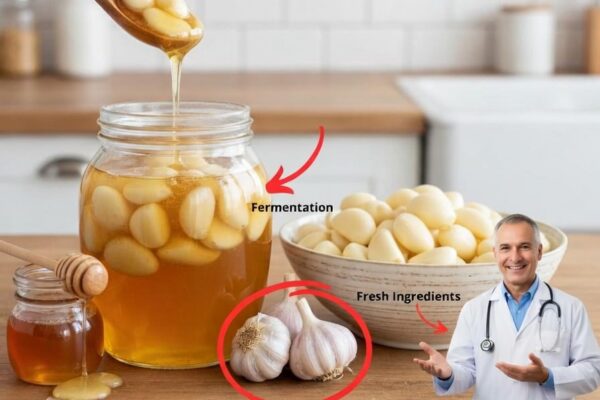
3) Garlic and Onions
Garlic and onions contain organosulfur compounds and other plant chemicals linked to cellular protection and healthy immune activity.
- May help discourage tumor formation in various studies
- Garlic intake has been associated with a reduced risk of certain cancers (including stomach, colorectal, and prostate)
- Onions provide quercetin, known for anti-inflammatory benefits
Tip: Use them raw or lightly cooked to retain more of their beneficial compounds.
4) Berries (Blueberries, Strawberries, Raspberries)
Berries are packed with antioxidants—especially anthocyanins—that help protect cells from oxidative damage.
- Support defense against DNA damage and cellular stress
- May help slow mechanisms linked to tumor growth and spread
- Help reduce oxidative stress, a contributor to chronic inflammation
Tip: Enjoy fresh or frozen berries, or blend them into smoothies for an easy nutrient boost.
5) Green Tea
Green tea contains EGCG (epigallocatechin gallate), a well-studied antioxidant associated with anti-tumor activity.
- EGCG may help inhibit tumor growth in research settings
- Supports the body’s natural detoxification processes
- Linked in studies to lower risk of some cancers, including breast, prostate, and colorectal
Tip: Aim for 2–3 cups daily if it suits your routine and caffeine tolerance.
6) Tomatoes
Tomatoes are one of the best sources of lycopene, an antioxidant associated with cellular protection and prostate health.
- Lycopene may help reduce tumor growth mechanisms
- Supports healthy inflammation and oxidative balance
- Cooking tomatoes can increase lycopene availability
Tip: Choose tomato sauce or roasted tomatoes and pair with a little olive oil to improve absorption.
7) Mushrooms (Reishi, Shiitake, Maitake)
Certain mushrooms contain beta-glucans and polysaccharides that can support immune function—one reason they’re used traditionally for wellness.
- May help activate immune defenses, including cancer-fighting white blood cells
- Can support a healthier inflammatory response
- Common options include shiitake, maitake, and reishi
Tip: Add mushrooms to soups, stir-fries, or broths; some varieties are also used in teas.
8) Walnuts and Flaxseeds
Walnuts and flaxseeds provide omega-3 fatty acids and lignans, both studied for their potential role in reducing inflammation and supporting cellular health.
- Omega-3s may help limit inflammation linked to tumor growth
- Lignans are associated with anti-cancer properties in research
- Walnuts have been studied for possible benefits related to breast and prostate cancer pathways
Tip: Sprinkle ground flaxseed and walnuts over oatmeal, yogurt, or salads for an easy upgrade.
Final Thoughts: Build a Diet That Supports Your Body
Making these foods a regular part of your meals can help support immunity, lower chronic inflammation, and strengthen overall wellness. The most powerful approach is consistency—paired with a balanced diet and healthy lifestyle choices.