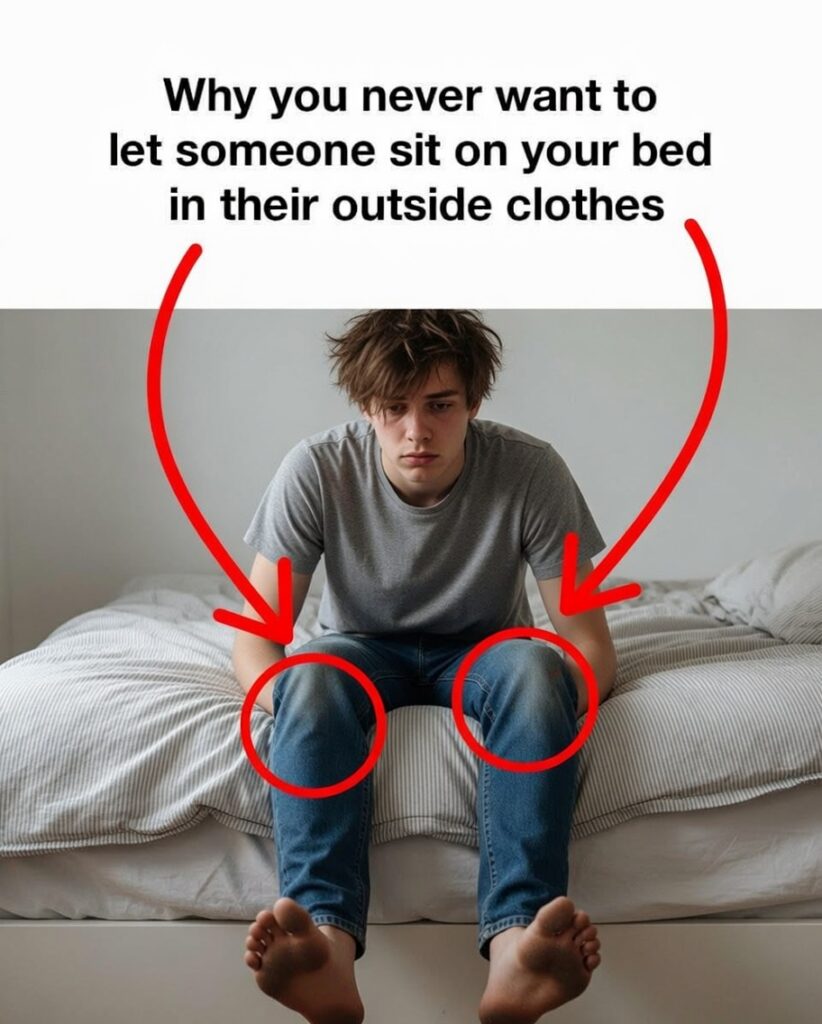
Why You Shouldn’t Sit on Your Bed in Outside Clothes
Keeping your home clean plays a major role in protecting your health—and your bed deserves extra attention. Because you spend hours sleeping there, your bedding can quickly become a collection point for anything brought in from the outside. Letting someone sit on your bed while wearing clothes they’ve worn outdoors may seem harmless, but it can introduce a range of invisible contaminants.
Understanding what “outside clothes” can carry helps you make smarter choices about bedtime hygiene. Below are the key risks of allowing outdoor clothing to touch your bed, along with why this habit can affect your comfort, sleep quality, and overall wellbeing.
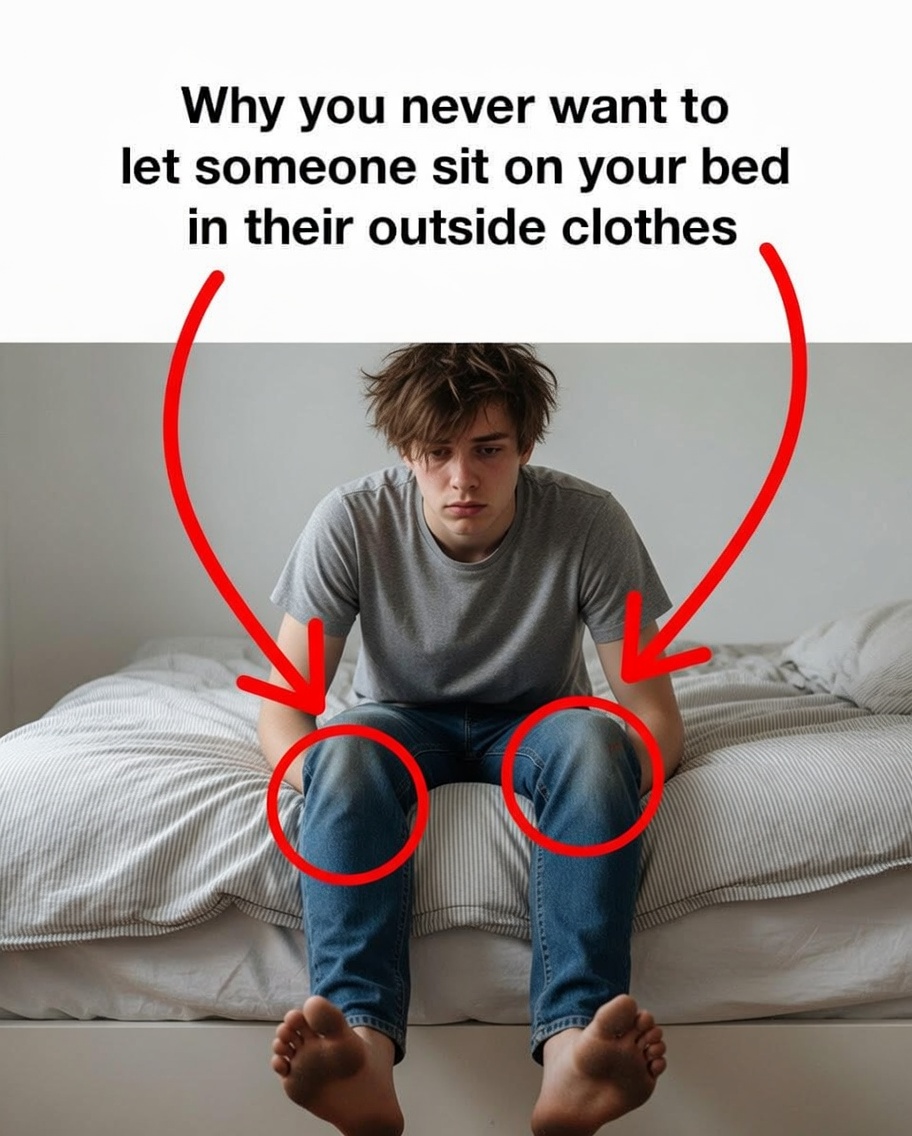
1. Germs and Bacteria in Your Sleeping Space
Outdoor clothing comes into contact with many shared surfaces—public transport seats, office chairs, restaurants, and more. When those clothes touch your bed, they can transfer germs, bacteria, and viruses into the place where your face and skin rest for hours. This increases the chance of exposure to everyday illnesses, from mild colds to more serious infections.
2. Allergens That Trigger Symptoms
Clothes worn outside can easily pick up pollen, dust, pet dander, and other allergens. Once transferred to your sheets or blanket, these particles may worsen allergies and irritate your airways—especially at night. The result can be sneezing, itchy skin, congestion, and disrupted sleep.
3. Dirt and Grime Buildup
Even if clothes look clean, fabrics can trap dust, soil, and grime from the environment. Over time, this debris can build up on your bed linens, making your bed feel less fresh and creating a bigger hygiene burden. It can also mean you need to wash your bedding more often to keep it clean.
4. Exposure to Chemicals and Pollutants
In cities and workplaces, clothing may come into contact with air pollution, vehicle fumes, cleaning chemicals, and other residues. These contaminants can transfer to your bedding and may contribute to skin irritation or sensitivity, particularly for people with eczema or reactive skin.
5. Risk of Bringing in Pests
One of the most unpleasant possibilities is carrying home unwanted hitchhikers. Outdoor clothing can occasionally pick up bed bugs, lice, or fleas, especially after being in crowded areas or shared seating. If pests make it onto your bed, an infestation can be difficult, expensive, and time-consuming to eliminate.
Conclusion: A Simple Habit That Supports Better Health
Avoiding contact between outside clothes and your bed isn’t just about being tidy—it’s a practical step for better hygiene and wellness. By keeping your sleeping area cleaner, you can reduce exposure to germs, allergens, dirt, pollutants, and pests, helping improve sleep quality and supporting overall health.