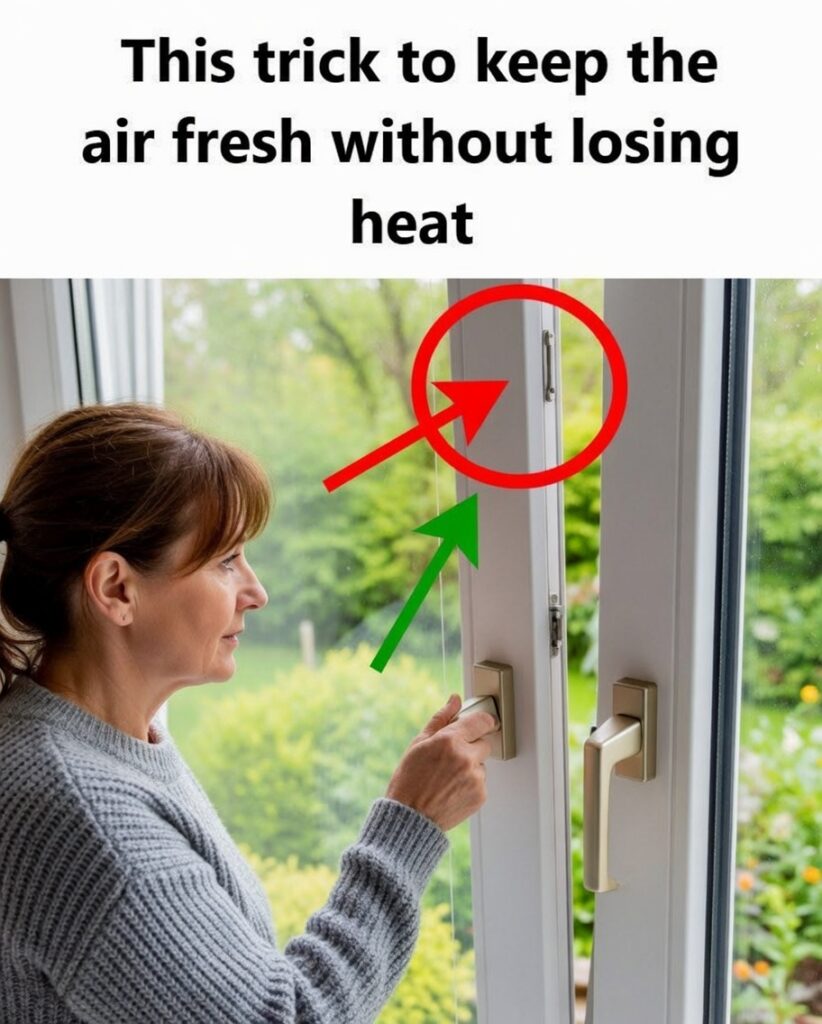
Why Ventilation Matters in Public Spaces and at Home
Ventilation has become a major topic in public buildings, especially to reduce the risk of coronavirus transmission. Fresh air helps dilute and remove airborne particles. But viruses are not the only concern: stale indoor air can also contain pollutants, chemical emissions, and mold spores.
That’s why indoor air quality at home deserves just as much attention as ventilation in public spaces.
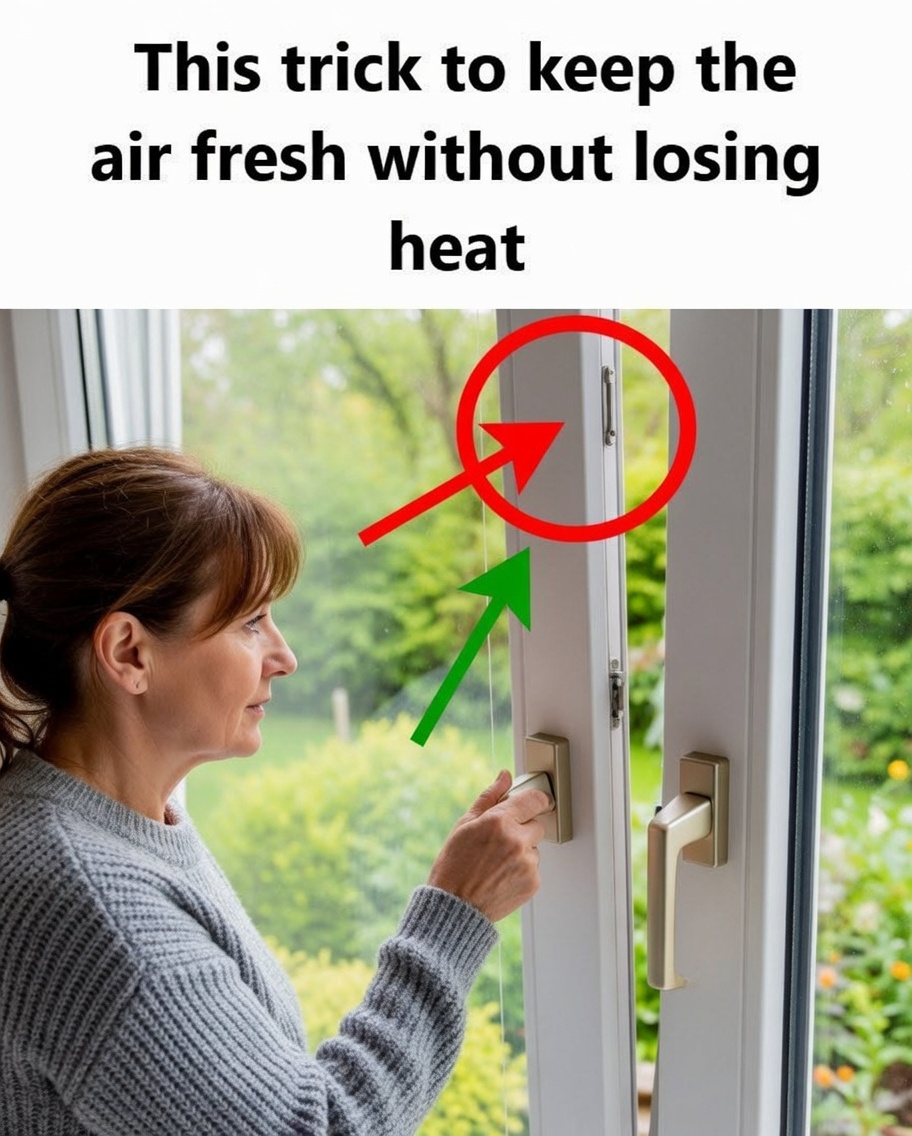
Common Health Complaints Linked to Poor Indoor Air Quality
When a room is not ventilated properly, the air gradually fills with substances that may trigger health issues, including:
- Headaches
- Breathing problems or irritated airways
- Drowsiness and reduced alertness
- Itchy or irritated eyes
High indoor humidity can make things worse by encouraging dust mites and mold growth—especially problematic for people with dust mite allergies.
Indoor air pollution also comes from everyday sources. Many household products and materials release volatile chemicals, including formaldehyde from:
- New furniture
- Flooring
- Certain building materials
Air quality can also drop due to combustion and smoke, such as:
- Gas stoves
- Cigarette smoke
- Wood stoves
- Burning candles
CO2 Levels at Home: A Simple Signal of Ventilation Quality
A practical way to assess home ventilation is to look at CO2 (carbon dioxide) levels. In a closed room, CO2 increases as people breathe out. Typical guidance for indoor CO2 is:
- 800 ppm: ideal
- 1,000 ppm: acceptable
- 1,200 ppm: upper limit
For comparison, outdoor air is usually below 500 ppm. According to Scientias, cognitive performance may start to decline from around 1,400 ppm.
If you open windows wide, CO2 levels often drop quickly toward outdoor values. However, once windows are shut again, CO2 can rise fast—especially in bedrooms overnight when windows and vents remain closed.
How to Measure and Lower CO2 Indoors
In many public buildings, mechanical ventilation systems refresh the air continuously, helping prevent CO2 buildup. Newer homes often have similar systems, but some residents switch them off because of noise, notes Rob van Strien of GGD Amsterdam.
To keep CO2 levels down:
- Leave exhaust systems running
- Use existing air vents rather than blocking them
If you want to check CO2 in your home, a meter can help. Very cheap devices may be unreliable, while monitors around €70 often provide better accuracy. That said, you don’t always need to buy one:
- You may be able to borrow a CO2 meter
- You can also test airflow by holding your hand near vents to feel whether air is moving
Humidity and Mold: What Causes Them and How to Prevent Growth
Everyday activities can raise indoor humidity significantly, such as:
- Drying laundry indoors
- Cooking
- Showering
- Keeping many houseplants
Higher humidity creates better conditions for dust mites and mold. Bathrooms are often the dampest rooms in the house and a common place for mold to spread. Mold can irritate the respiratory system and worsen existing airway problems.
To reduce moisture and prevent mold:
- Ventilate during and after showering
- If there is no built-in bathroom ventilation, leave the bathroom door open afterward
- Open a window in a nearby room so moisture can actually escape (otherwise it simply spreads indoors)
If you have a damp basement, ventilation is equally important. Open the basement door regularly and inspect walls and corners for moisture marks or visible mold.
Ventilation Helps Reduce Aerosols in the Air
Research shows that in small rooms with limited airflow, aerosols (tiny droplets that may contain viruses) can stay suspended for longer. Ventilation helps by:
- Diluting contaminated air
- Removing airborne pollutants more efficiently
- Lowering aerosol concentration and reducing transmission risk
Ventilation Tips With Minimal Heat Loss
Even older homes with cracks and gaps don’t always get enough fresh air naturally. In modern, well-insulated homes, ventilation becomes even more essential. To improve indoor air quality without losing too much heat:
- Keep ventilation grilles open to maintain constant airflow
- If you have vents or small windows, leave them slightly open while you’re home
- Clean vents at least once a year using a brush or vacuum; removable covers can often be washed with soapy water
- Make sure air can move through the home: interior doors should have about a 1.5 cm gap underneath; if needed, shorten doors or install door vents
- Add extra ventilation in high-moisture rooms:
- Use the kitchen extractor while cooking
- Run the bathroom fan during and after showering
During renovations (insulation upgrades, window replacement, remodeling), include ventilation improvements in the plan, for example:
- Wind pressure-regulated vents in window frames, which adjust automatically—closing more in strong wind and opening more in lighter wind to reduce drafts and heat loss
- A dedicated ventilation unit in key living spaces
If you seal gaps and cracks while insulating, natural airflow may drop. You can compensate with systems such as:
- Self-regulating vents
- A heat recovery ventilation (HRV) unit, which can use CO2 levels to adjust fresh air supply and pre-warm incoming air efficiently
Ventilating vs. Airing Out: Why You Need Both
Opening windows briefly is helpful, but it’s not the same as proper ventilation.
- Ventilation should run 24/7, all year, to keep air continuously refreshed.
- Airing out is useful for quickly clearing polluted air, and 10–30 minutes is usually enough (for example, airing the bedroom in the morning).
Airing out also makes sense after indoor smoking—open a window or door to remove the polluted air. Once the air has cleared, keeping windows open longer doesn’t add much benefit and can waste heat.
To limit heat loss:
- Air out only when needed and keep it brief in heated rooms
- Turn off the heating while windows are open