Thick Toenails: A Common Problem You Can Improve at Home
Toenail changes are far more common than many people realize, and they can affect anyone—children, adults, and older people alike. Issues like yellowing, ridges, brittleness, and especially thick toenails often start as a cosmetic worry but may become a real comfort or health concern. Thickened nails can press against shoes, feel tender, and become hard to trim, and if ignored they may also increase the risk of infection.
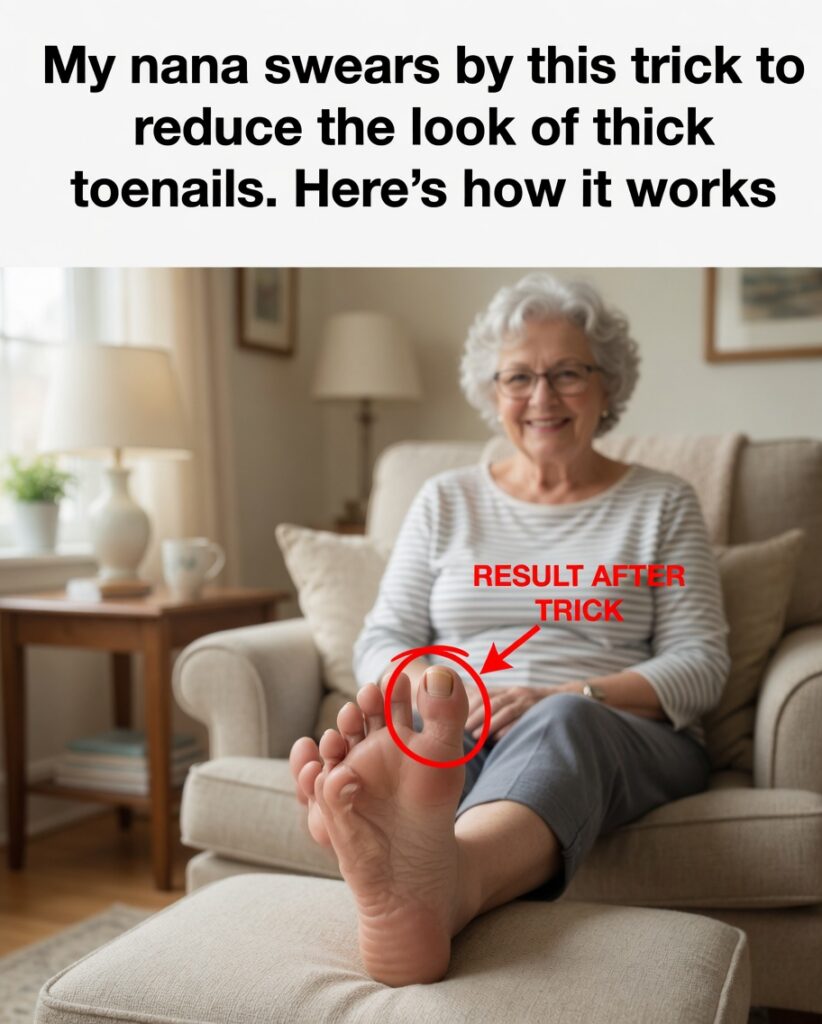
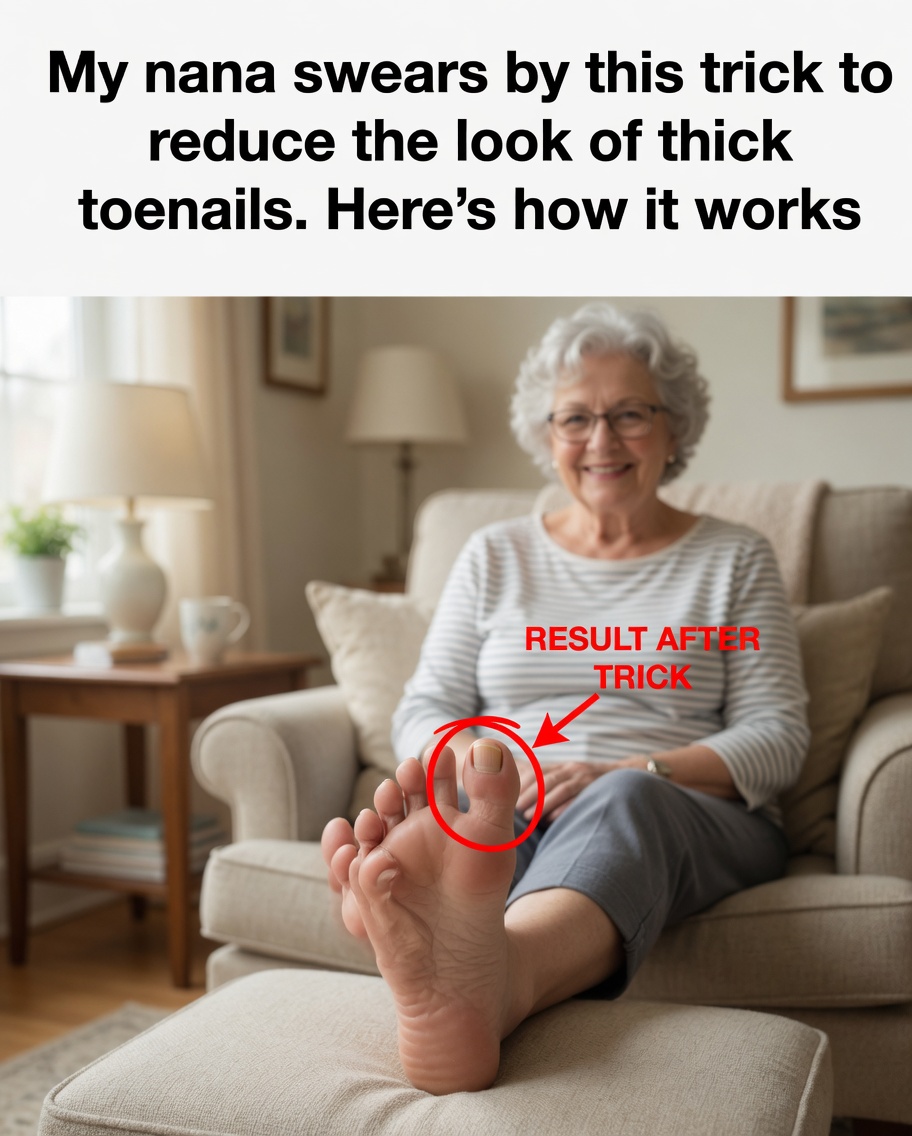
While medical options exist, many people begin with simple home care to soften and manage nail thickness. One of the most practical routines I learned comes from my nana—an old-school, low-cost trick aimed at making thick toenails look and feel better over time.
Why Toenails Get Thick: Causes and Common Concerns
Toenails can thicken for several reasons, including:
- Fungal nail infections (onychomycosis)
- Natural aging, which may slow nail growth and change texture
- Repeated trauma or injury (tight shoes, running, stubbing the toe)
- Psoriasis, which can affect nails as well as skin
- Poor circulation, sometimes linked to underlying health conditions
No matter the cause, thick toenails can create practical problems such as discomfort, difficulty cutting nails, and a greater chance of bacteria or fungus collecting under the nail. Understanding the possible reason is important, but day-to-day care that improves the nail’s appearance and manageability can also make a big difference.
The Classic Home Trick: Soften, Clean, Then Gradually File
Nana’s method focuses on a consistent routine using everyday items. The goal isn’t an overnight transformation—it’s a safe, gradual approach that helps:
- Soften thick toenails
- Reduce surface buildup
- Improve appearance over time
- Support cleaner, healthier-looking nails
Because it’s gentle, many people use it as a first step before seeking stronger treatments.
What You’ll Need
Gather these basic supplies:
- Warm water
- White vinegar
- Baking soda
- A basin large enough for a foot soak
- A soft-bristle nail brush
- A pumice stone or nail file
- Moisturizer (lotion or a nourishing oil)
Step-by-Step Routine (Nana’s Method)
Follow these steps in order:
-
Make a vinegar foot soak
Fill your basin with warm water and add ½ cup of white vinegar. Soak your feet for 20 minutes. -
Brush the nails gently
Use a soft nail brush to scrub the toenails and surrounding skin. This helps remove debris and makes the nail easier to work with. -
Apply a baking soda paste
Rinse your feet, then mix baking soda with a few drops of water to form a thick paste. Spread it over the toenails and leave it on for 10 minutes. -
Rinse and dry thoroughly
Wash off the paste and pat your feet dry—especially between the toes. -
File down thickness carefully
Use a pumice stone or nail file to gently reduce thickness. Go slowly and avoid aggressive filing. -
Moisturize to finish
Apply lotion or oil to keep nails and surrounding skin hydrated and less prone to cracking.
Why It Helps: The Practical “Science” Behind the Steps
This routine works because each step supports the next:
- White vinegar helps soften the nail and has mild antimicrobial properties, which may be useful when fungus is a factor.
- Baking soda works as a gentle exfoliator and can help loosen buildup while supporting a cleaner nail surface.
- Filing after softening reduces thickness more easily and safely than filing a dry, hardened nail.
- Moisturizing helps prevent splitting and keeps the skin around the nail healthier.
Extra Tips for Stronger, Healthier Toenails
For better long-term results, pair the routine with these foot-care habits:
- Keep feet clean and dry, especially after showers or workouts
- Trim toenails straight across to reduce the risk of ingrown nails
- Choose breathable footwear and change socks regularly
- Support circulation with regular movement and exercise
- Watch for changes like odor, crumbling, spreading discoloration, or pain
When Home Care Isn’t Enough: When to See a Professional
Home remedies can be helpful, but some situations need medical attention. Consider seeing a healthcare provider or podiatrist if you have:
- Ongoing or worsening pain
- Severe thickening or a nail that’s lifting from the nail bed
- Dark streaks, major discoloration, or rapid nail changes
- Signs of infection (redness, swelling, warmth, drainage)
- Diabetes or circulation issues (don’t self-treat without guidance)
Problems like fungal infections or psoriasis may require prescription treatments to truly resolve.
Real-World Results: Simple Routine, Noticeable Improvement
People who stick with this routine often report gradual improvements. One neighbor, Sarah, dealt with thick nails related to aging and found they became easier to trim and looked smoother after about a month of consistent care. A family friend, John, used the routine weekly and noticed less nail buildup and better comfort when mild fungal issues were present.
Conclusion: A Simple Way to Improve Thick Toenails Over Time
Thick toenails don’t have to stay a constant frustration. With steady home care—like nana’s vinegar soak, baking soda paste, gentle filing, and moisturizing—you can often improve how your toenails look and feel. Stay consistent, keep your feet clean and dry, and pay attention to warning signs so you know when it’s time to get professional help.