A Clear, Well-Rounded Guide to an Olive Oil, Bay Leaf, and Rosemary Infusion
This guide stands out as a practical and engaging resource because it explains both the “why” and the “how” behind an olive oil infusion made with bay leaves and rosemary. It’s especially useful for readers interested in natural wellness, home skincare, and flavorful cooking, thanks to its balanced mix of benefits, instructions, and safety notes.
What Makes This Infusion So Valuable?
One of the strongest parts of the guide is how it clearly explains what each ingredient contributes. By outlining the distinct strengths of olive oil, bay leaves, and rosemary, it appeals to a broad audience—from home cooks to people exploring botanical self-care.
Key Benefits by Ingredient
-
Olive oil
- Known for its nourishing qualities and naturally occurring antioxidants
- Commonly used in cooking, hair care, and skin-softening routines
-
Bay leaves
- Valued for their aromatic compounds and traditional wellness uses
- Often associated with soothing, cleansing, and fragrance-enhancing properties
-
Rosemary
- Recognized for its bold herbal scent and versatility
- Popular in culinary use and frequently included in scalp, hair, and massage blends
Step-by-Step Instructions That Are Easy to Follow
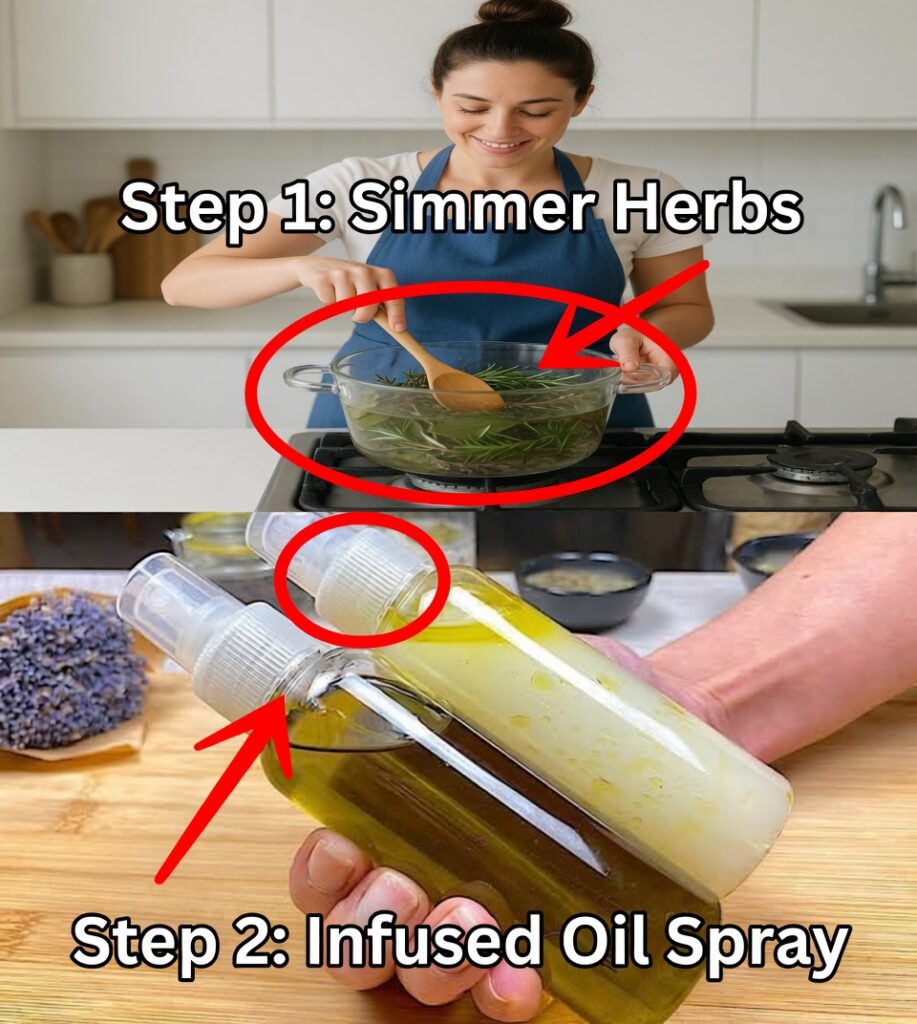
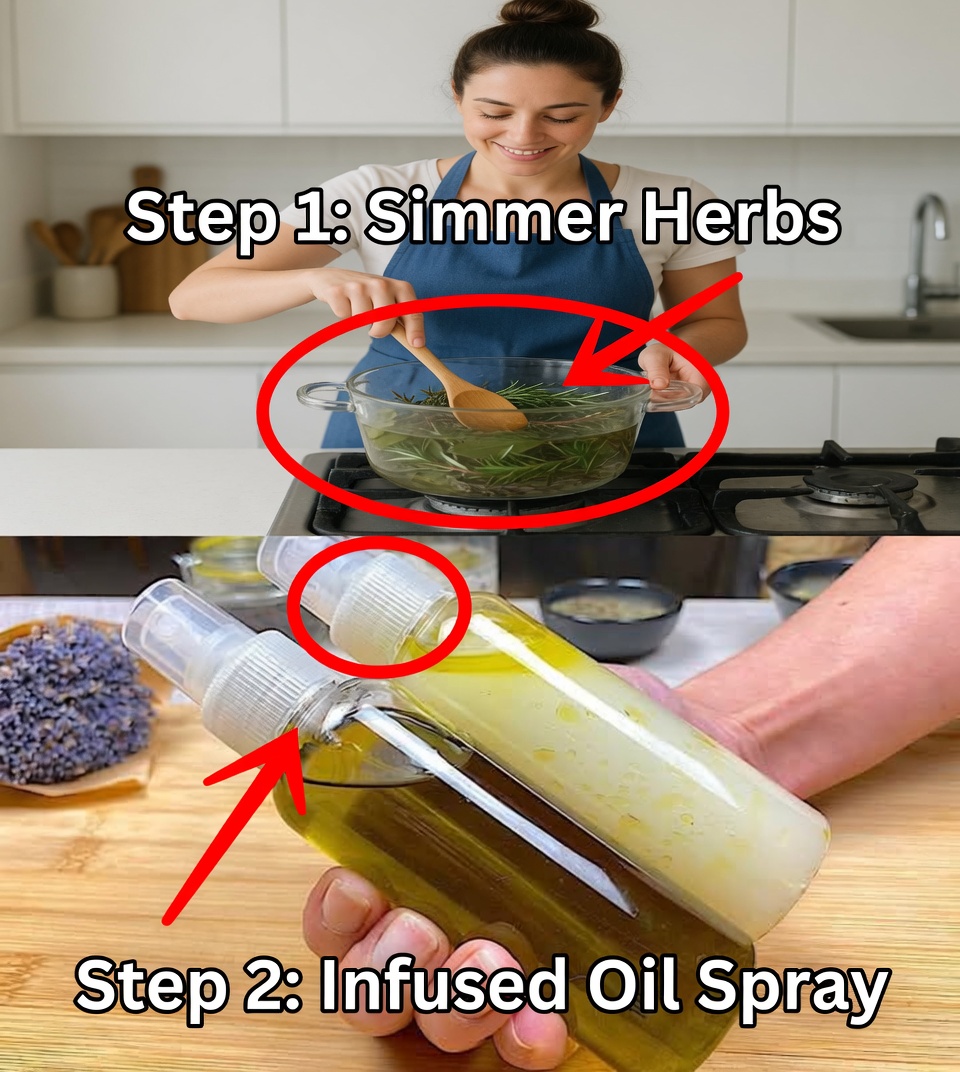
Another reason the guide works so well is the clear, beginner-friendly process. The method is presented in a way that feels approachable, yet includes small details that improve results—like crushing bay leaves to release aromatic oils and warming the oil gently to help the herbs infuse without overheating.
What Makes the Method Feel Professional
- Simple, logical steps that don’t assume prior experience
- Helpful technique notes (crushing leaves, low heat, gentle infusion)
- Practical guidance that supports consistent outcomes
Versatile Uses: Culinary, Wellness, and Skincare
Rather than limiting the infusion to one purpose, the guide encourages readers to use it in multiple settings. This flexibility is a major advantage, because it helps people get more value from a single homemade preparation.
Common Ways to Use the Infusion
- In the kitchen: to add herbal aroma and depth to everyday dishes
- For relaxation or comfort: as part of massage or self-care routines
- For skincare: as an oil base in simple, natural skin-softening applications
Safety and Storage Notes Add Trust
The inclusion of precautions helps the guide feel responsible and complete. Reminders about potential allergies, safe storage, and careful heating show attention to real-world use—especially important for readers using infused oils on skin or storing them for later.
Practical Precautions Mentioned
- Check for allergies or sensitivities before broader use
- Store properly to maintain freshness and reduce spoilage risk
- Avoid overheating to protect the oil and preserve the infusion’s quality
Adapting the Content for Different Platforms
The guide is already strong, but it can also be reshaped for different formats—such as a blog post, social media caption, or recipe card—while keeping the same benefits, steps, uses, and safety reminders.