Bull Thistle Root (Cirsium vulgare): A Powerful Herbal Ally Hiding in Plain Sight
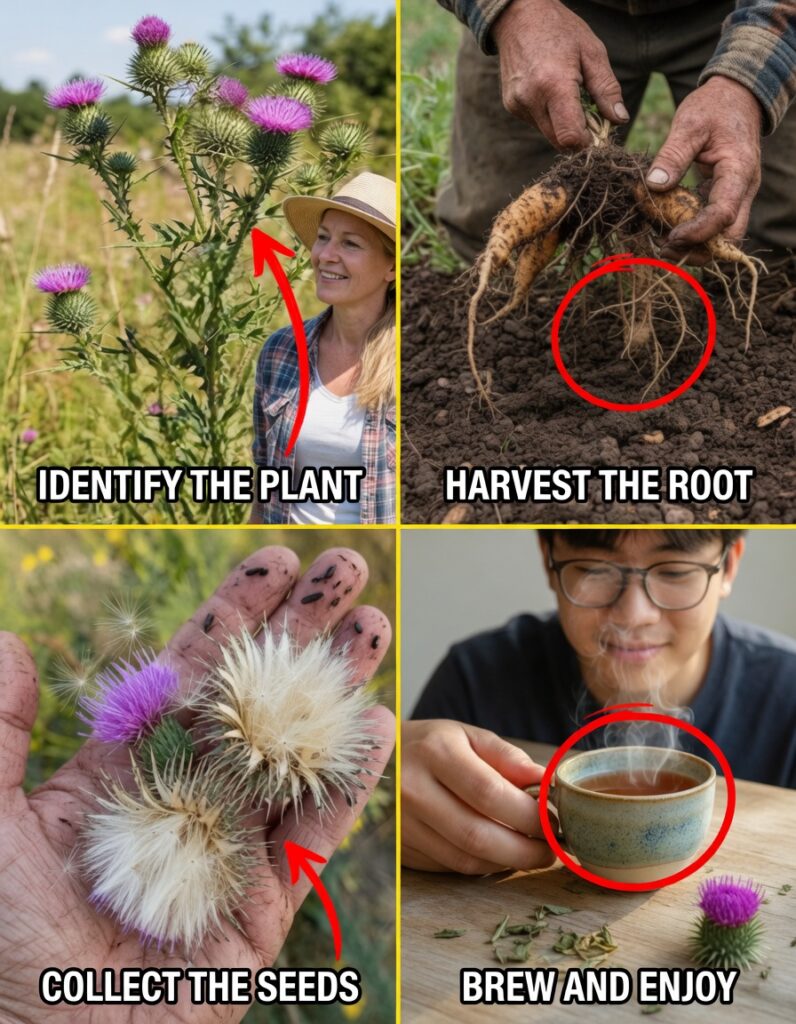
Bull thistle (Cirsium vulgare) is often seen as nothing more than a prickly nuisance in fields and gardens. Yet behind its sharp spines and striking purple blooms lies a long history of use in traditional herbal medicine. While the plant’s leaves and flowers are well known, it is the root that contains some of the most valuable therapeutic properties, many of which are being appreciated again today.
Bull thistle is a resilient biennial species native to Europe and Asia but now widespread across North America and other regions. For generations, Native American healers and European herbalists have used the roots, leaves, and flowers of this plant. The root has been especially treasured for its cleansing, digestive, and restorative effects on the body.
Key Health Benefits of Bull Thistle Root
1. Supports Liver Function and Detoxification
Bull thistle root is considered a gentle yet effective liver tonic. It can:
- Help the liver process and eliminate toxins
- Support healthy bile production, which aids fat digestion
- Contribute to overall detox and metabolic balance
Because of this, bull thistle root is often used in herbal protocols aimed at improving digestion and supporting liver health.
2. Natural Anti-Inflammatory Actions
Certain compounds in bull thistle root may help calm inflammation in the body. This can be beneficial for:
- Achy or stiff joints
- Mild arthritis discomfort
- Muscle soreness or chronic inflammatory conditions
While more research is needed, traditional use suggests it can be a helpful part of a holistic approach to managing inflammation.
3. Enhances Digestion
Historically, bull thistle root has been used to support sluggish digestion. It may help:
- Stimulate appetite
- Encourage the production of digestive juices
- Improve absorption of nutrients from food
For people who feel heavy, bloated, or slow after meals, a bull thistle root preparation may offer gentle digestive support.
4. Immune System Support
Bull thistle root contains antioxidants and trace nutrients that can help protect cells from oxidative stress. By reducing free radical damage, it may:
- Support overall immune resilience
- Help the body respond better to everyday stressors
Used regularly, it can be a useful addition to an immune-supportive herbal routine.
5. Potential Anti-Tumor Properties
Preliminary research on related thistle species has identified compounds that may slow or inhibit abnormal cell growth. While direct evidence for bull thistle root itself is still limited, this suggests a possible anti-tumor potential. More rigorous scientific studies are needed before any firm conclusions can be drawn, so it should not be used as a replacement for conventional cancer treatment.
How to Use Bull Thistle Root
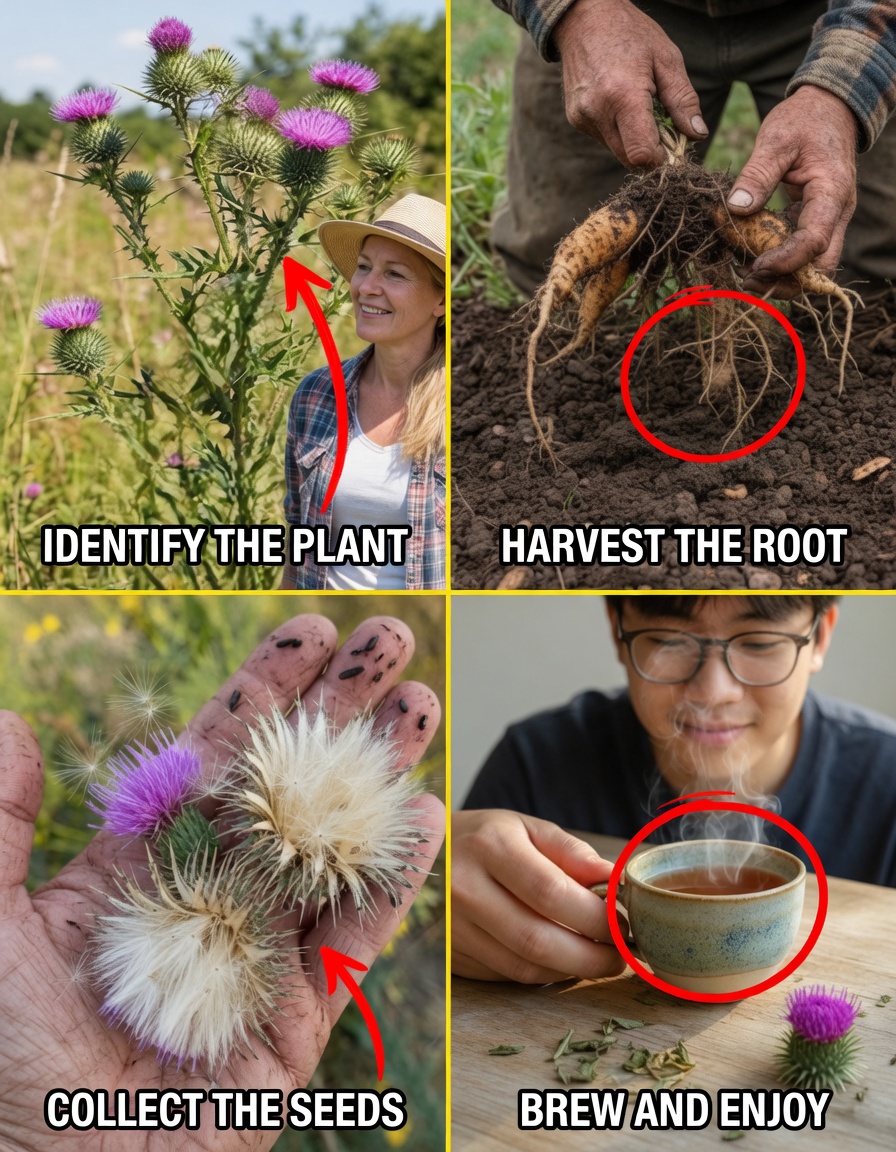
Bull thistle root can be prepared and used in several ways, depending on your needs and preferences.
1. Tea or Infusion
A simple herbal tea is one of the most traditional methods:
- Wash and finely chop fresh bull thistle roots, or use dried root pieces.
- Add 1–2 teaspoons of root to a cup of water.
- Simmer gently for 10–15 minutes.
- Strain and drink once or twice a day.
This preparation is especially suitable for liver and digestive support.
2. Tincture
A tincture offers a convenient, concentrated form:
- Place chopped fresh or dried root in a clean glass jar.
- Cover completely with high-proof alcohol (such as vodka).
- Seal the jar and let it macerate for 4–6 weeks, shaking occasionally.
- Strain and store in a dark glass bottle.
Typical usage:
- Take 10–20 drops, diluted in a little water, up to three times daily.
Dosage can vary, so it’s wise to consult a qualified herbalist or healthcare provider.
3. Culinary Use
When harvested young, bull thistle roots can also be used as food:
- Peel the outer skin from the fresh roots.
- Boil until tender and eat like other root vegetables.
This provides a more subtle way to enjoy the plant’s benefits while incorporating it into meals.
Precautions and Safety
Although bull thistle root is generally considered safe when used appropriately, some people should proceed with caution:
- Allergies: Avoid use if you are allergic or sensitive to plants in the Asteraceae (daisy) family, which includes ragweed, chamomile, and marigold.
- Pregnancy and breastfeeding: Consult a doctor, midwife, or qualified healthcare provider before use.
- Medications: If you’re taking prescription drugs or have a chronic health condition, speak with your healthcare provider to check for potential interactions.
Final Thoughts
Bull thistle root is a remarkably underrated medicinal plant, offering support for liver health, digestion, immunity, and overall vitality. Whether you choose to drink it as a tea, take it as a tincture, or cook the young roots as a vegetable, bull thistle is a potent reminder that many so-called “weeds” are in fact valuable herbal allies, quietly growing all around us.