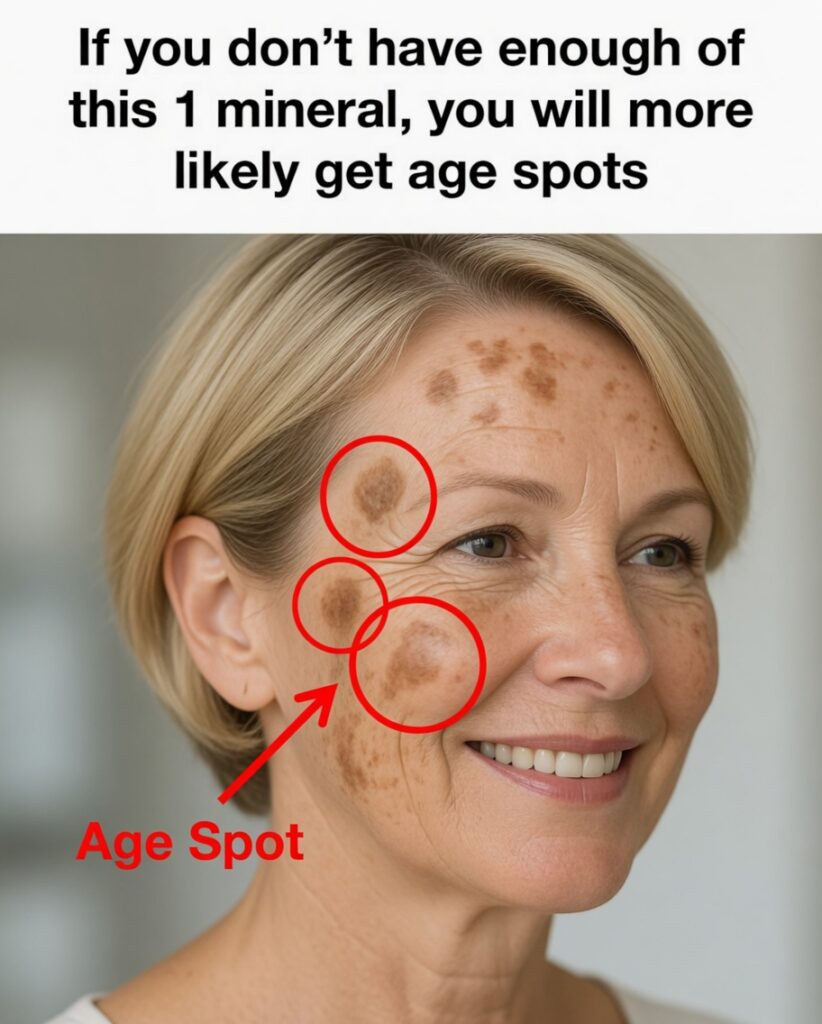
What Are Age Spots?
Age spots—often called liver spots or solar lentigines—are flat patches of brown, gray, or black pigmentation that usually appear on areas frequently exposed to sunlight, such as the face, hands, shoulders, and arms. They are especially common after age 50, although younger people can develop them too if they spend significant time in the sun.
These spots form when the skin produces too much melanin, the pigment responsible for skin color. Key contributors include:
- Long-term sun and UV exposure
- Natural aging processes
- Genetic predisposition
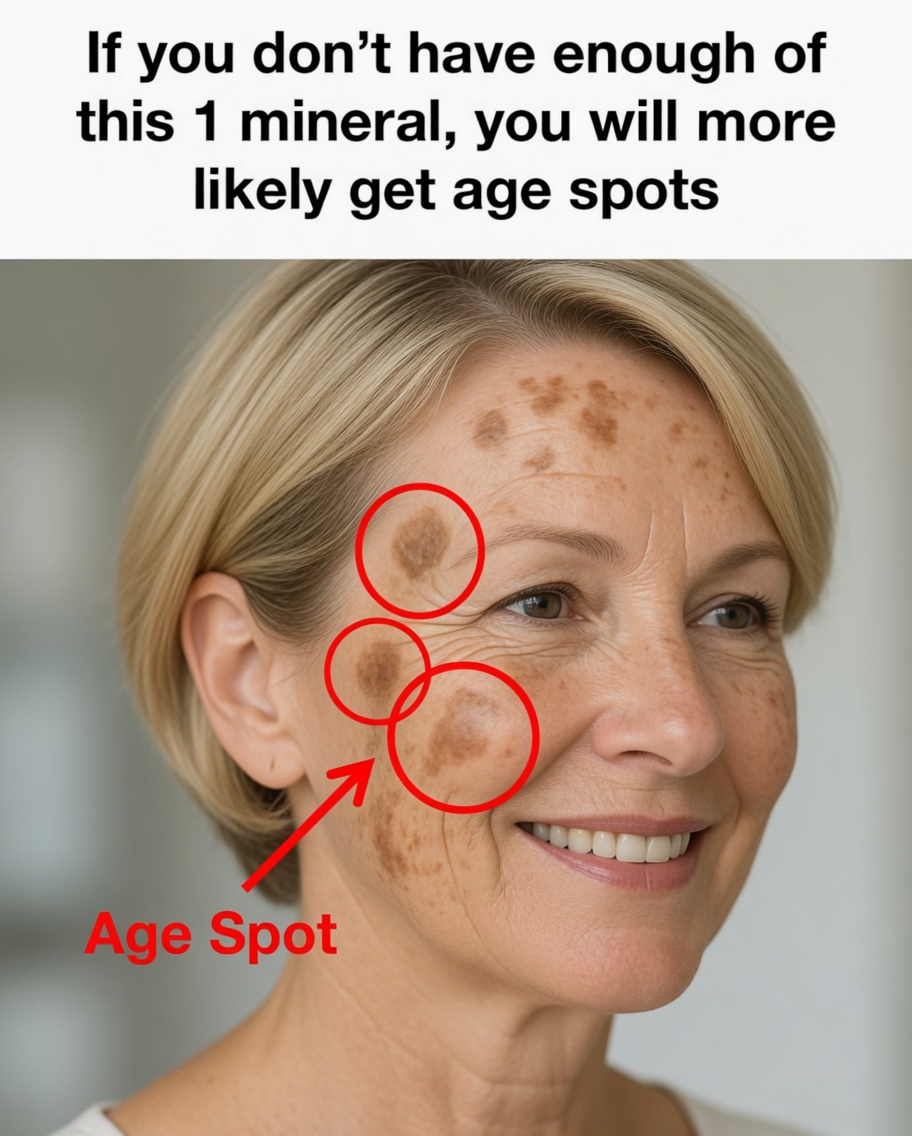
Why Minerals Matter for Skin Health
Your skin relies on essential minerals to function at its best. Minerals support critical processes such as:
- Skin cell renewal and regeneration
- Defense against oxidative stress
- Maintaining skin strength and structure
Among the most important minerals for healthy skin are zinc, copper, and selenium, all of which help the skin protect itself and recover from damage.
Selenium Explained: What It Is and Why the Body Needs It
Selenium is a trace mineral required in small amounts, but it plays a big role in overall health—including skin health. It acts as a strong antioxidant, helping to neutralize free radicals, unstable molecules that contribute to premature aging and skin damage.
Selenium also supports:
- Immune function
- Thyroid hormone metabolism
- Cell protection and repair
How Selenium Deficiency May Contribute to Age Spots
When selenium levels are too low, the body may experience higher oxidative stress. This matters for the skin because oxidative stress can increase vulnerability to:
- UV radiation damage
- Environmental aggressors
- Inflammation that disrupts normal pigmentation
Over time, this increased stress can encourage melanin overproduction, which may make age spots more likely to appear or become more noticeable. Maintaining sufficient selenium intake may help reduce these risks as part of a broader skin-protection strategy.
What Research Suggests About Selenium and Skin Health
Scientific studies indicate that selenium can help protect the skin from UV-related damage and may contribute to lowering the risk of certain skin conditions, including skin cancer. Research also suggests that selenium—especially when combined with other antioxidants—may support:
- Improved skin elasticity
- Reduced visible signs of photoaging
- A decrease in the appearance of age-related pigmentation
These findings reinforce selenium’s role in supporting healthy, resilient skin.
Common Signs of Selenium Deficiency
Selenium deficiency can show up in multiple ways. General symptoms may include:
- Fatigue
- Muscle weakness
- Reduced immune defenses
Skin-related signs can include:
- Greater sensitivity to sun exposure
- Slower wound healing
- More noticeable age spots or pigmentation changes
Identifying deficiency early may help prevent additional skin damage and broader health complications.
How to Get Enough Selenium
To support healthy selenium levels, aim for a balanced diet that includes selenium-rich foods. For most adults, the typical recommended intake is around 55 micrograms per day (requirements can vary by age and sex).
If your diet is limited or you suspect a deficiency, speaking with a healthcare professional can help you determine whether dietary changes or supplements are appropriate.
Best Dietary Sources of Selenium
You can increase selenium intake by adding foods such as:
- Brazil nuts (one of the richest sources)
- Seafood (including tuna, halibut, sardines)
- Organ meats (such as liver)
- Eggs
- Sunflower seeds
- Whole grains
A varied, nutrient-rich diet is one of the simplest ways to support both selenium intake and overall skin health.
Selenium Supplements: Potential Benefits and Safety Concerns
Selenium supplements may be helpful for people with a confirmed deficiency, but they should be used carefully. Too much selenium can lead to selenium toxicity, with possible symptoms such as:
- Digestive upset
- Hair loss
- Nervous system issues
Because the safe range can be narrow, it’s best to consult a healthcare provider before starting selenium supplementation.
Preventing Age Spots: More Than Just Selenium
Selenium may support the skin, but age spot prevention works best with a full protective routine. Practical strategies include:
- Wearing sunscreen daily (broad-spectrum SPF)
- Using protective clothing and hats
- Avoiding peak sunlight hours
- Eating a diet rich in antioxidants
- Following a consistent skincare routine
- Staying well hydrated
Conclusion: Selenium’s Role in Supporting Youthful, Healthy Skin
Selenium is an essential trace mineral that helps defend the skin from oxidative stress, a major driver of visible aging and pigmentation changes like age spots. By getting enough selenium through food—or carefully managed supplementation when needed—alongside smart sun protection and healthy skincare habits, you can support clearer, stronger, and healthier-looking skin.