Introduction
Ciabatta is a classic Italian bread loved for its crackly crust and light, open crumb filled with irregular air pockets. Its name translates to “slipper” in Italian—a nod to the loaf’s wide, flat shape.
This rustic bread is incredibly versatile: slice it for sandwiches, serve it with soups and salads, toast it for bruschetta, or simply dip it into good olive oil. What makes ciabatta stand out is its simple ingredient list paired with a careful technique—especially the use of a high-hydration dough, which creates that signature chewy texture and airy interior.
Modern ciabatta originated in Lombardy, Italy, in the early 1980s. It was created in response to the growing popularity of French baguettes, offering an Italian alternative that highlighted local baking traditions. The result quickly spread beyond Italy and became a bakery staple worldwide.
A defining feature of authentic ciabatta bread is the wet, sticky dough. While it can be tricky to handle, the high water content is essential for achieving a well-developed gluten structure and an open crumb. Instead of heavy kneading, the dough is strengthened through gentle folding, which helps it rise without losing precious gas bubbles.
Ciabatta also relies on long fermentation to build flavor. Many bakers use a pre-ferment called a biga, mixed the day before and left overnight. This step deepens the bread’s taste and improves the structure of the final loaf.
Baking ciabatta at home is deeply satisfying. The smell of fresh bread filling your kitchen and the moment you cut into a loaf to reveal its honeycomb interior make the effort worthwhile. With its rustic, flour-dusted look and artisan charm, ciabatta also makes a beautiful centerpiece for any meal—especially when shared with friends and family.
Ingredients
- 500 g (about 4 cups) all-purpose flour
- 10 g (2 tsp) salt
- 5 g (1 tsp) active dry yeast
- 400 ml (about 1 2/3 cups) room-temperature water
- 10 g (2 tsp) olive oil
- Extra flour for dusting
Instructions
-
Make the biga (the night before).
In a bowl, mix 100 g flour, 100 ml water, and a small pinch of yeast. Stir until a rough, shaggy dough forms. Cover and leave at room temperature for 12–16 hours. -
Mix the final dough.
In a large bowl, combine the remaining flour, salt, yeast, and the biga. Slowly add the remaining water, mixing until you have a very wet, sticky dough.- Do not add extra flour; high hydration is key for ciabatta.
-
Autolyse (rest the dough).
Cover the bowl and let the dough sit for 30 minutes. This helps the flour hydrate and begins gluten development naturally. -
Add olive oil and fold.
Pour in the olive oil, then use your hands or a dough scraper to gently fold the dough until the oil is fully absorbed. This strengthens the dough without knocking out air. -
Bulk fermentation + stretch and folds.
Cover and let rise at room temperature for about 3 hours. During the first 90 minutes, do three sets of stretch and folds, spaced 30 minutes apart:- Pull up one side of the dough and fold it over itself
- Rotate the bowl and repeat on all four sides
-
Preheat the oven and create steam.
Heat the oven to 475°F (245°C) with a baking stone or inverted baking sheet inside. Place a shallow pan of water on the bottom rack to generate steam. -
Shape gently.
Flour your work surface well, then tip out the dough carefully. Divide into two equal portions. Shape each into a loose rectangle, handling lightly to keep the dough airy. -
Final rest.
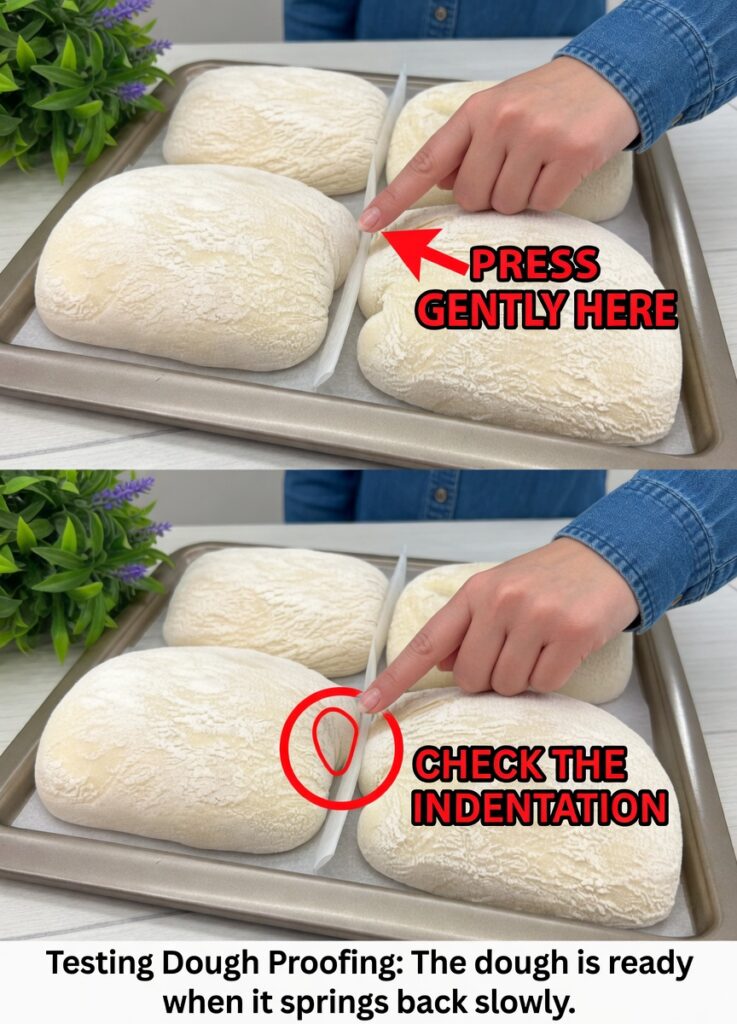
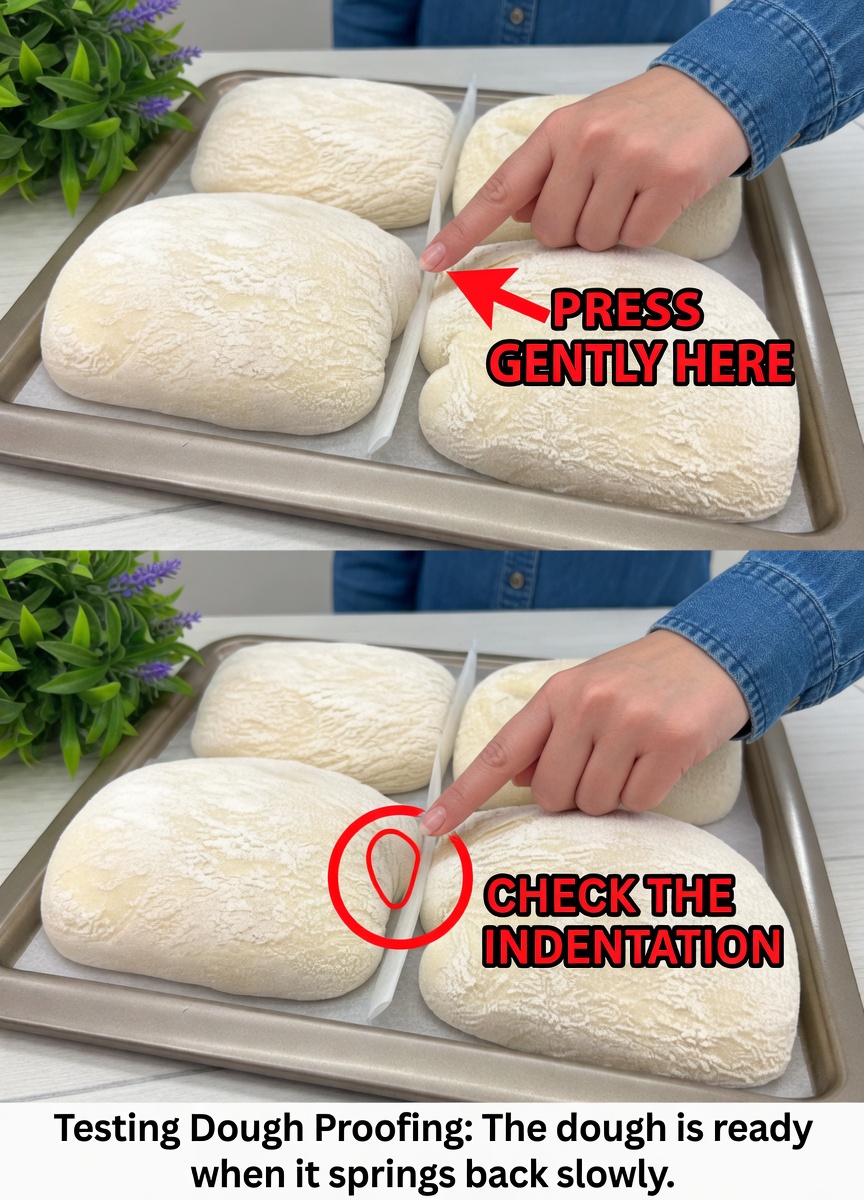
Move the dough onto parchment paper, dust with flour, and cover with a towel. Let rest for 30–45 minutes. -
Bake.
Slide the parchment onto the hot stone/sheet. Bake for 20–25 minutes, until the loaves are deep golden and sound hollow when tapped on the bottom.
How to Make Ciabatta (Quick Overview)
- Prepare an overnight biga for better flavor and structure.
- Mix a high-hydration dough and avoid adding extra flour.
- Use a 30-minute autolyse to help gluten form.
- Strengthen the dough with stretch-and-folds instead of heavy kneading.
- Bake on a very hot surface with steam for the best crust and rise.
Tips for the Best Ciabatta
- Let the biga fully ferment (12–16 hours) to develop a richer, more complex flavor.
- Keep the dough very wet—this is essential for ciabatta’s signature holes and chewy bite.
- Handle the dough with a bench scraper to prevent sticking and avoid overworking it.
- Use gentle stretch and folds to build strength without deflating the dough.
- Dust lightly with flour, but don’t overdo it—too much flour can dry the dough and reduce the open crumb.