Chewing whole cloves—an aromatic spice widely used in traditional medicine—can support several aspects of health. Cloves are naturally rich in eugenol, antioxidants, and beneficial plant compounds, which may help improve oral hygiene, support digestion, ease minor pain, and strengthen everyday wellness. Below is what this simple habit can do and how to use it safely.
What Happens When You Chew Cloves?
1) Supports Oral Health
- Helps fight bacteria: Cloves have antibacterial properties that may reduce germs linked to bad breath, gum irritation, and tooth decay.
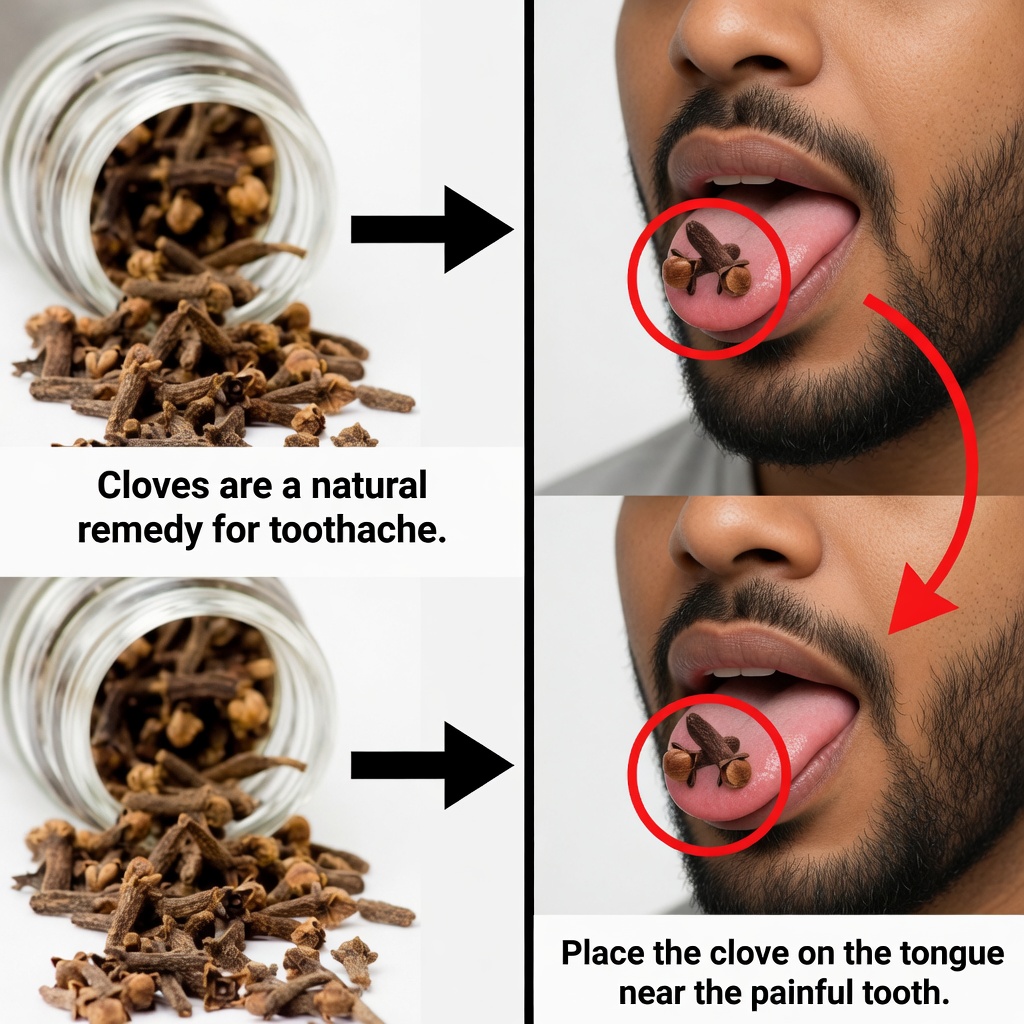
- Soothes tooth discomfort: Eugenol acts as a natural numbing agent and can provide temporary relief for toothaches.
- Freshens breath: The strong scent and antimicrobial action can help neutralize unpleasant odors.
2) Promotes Better Digestion
- Encourages digestive enzymes: Chewing cloves may stimulate enzyme activity, supporting digestion and nutrient absorption.
- Eases bloating and gas: It can help reduce indigestion, abdominal heaviness, and discomfort after meals.
- May calm nausea: Cloves are traditionally used to soothe the stomach and may help with nausea.
3) Strengthens Immune Defenses
- High in antioxidants: Antioxidants help neutralize free radicals, supporting overall immune function.
- Antimicrobial support: Cloves contain compounds that may help the body defend against common seasonal infections.
4) May Reduce Inflammation and Minor Aches
- Anti-inflammatory effects: Clove compounds may help calm inflammation related to throat irritation, joint discomfort, or muscle soreness.
- Possible headache support: Some people find clove use helpful for tension headaches, potentially by supporting circulation and relaxation.
5) Helps Maintain Healthy Blood Sugar Balance
- Supports insulin sensitivity: Certain compounds in cloves may help improve how the body responds to insulin, which can be useful for blood sugar management.
6) Supports Respiratory Comfort
- May help clear congestion: Chewing cloves can encourage a warming, clearing effect that may help with mucus, cough, and cold symptoms.
- Soothing for airways: Cloves are traditionally used to support breathing comfort during seasonal changes.
How to Chew Cloves for the Best Results
- Start with 1–2 whole cloves: This is usually enough to release the active oils.
- Chew slowly and gently: Let the oils disperse gradually rather than biting hard.
- Swallow or discard the pieces: Either option is fine, depending on your preference.
- Rinse your mouth if needed: If the taste is too intense, rinse with water.
Best Time and Frequency
- When to use: Many people chew cloves after meals for digestive support or anytime for fresher breath.
- How often: Keep it to once or twice a day to reduce the chance of irritation.
Precautions and Safety Notes
- Use in moderation: Too many cloves may cause mouth irritation or stomach upset.
- Pregnancy and breastfeeding: Speak with a healthcare professional before using cloves regularly.
- Blood-thinning medications: Cloves may have mild blood-thinning effects, so avoid large amounts if you take anticoagulants or have a bleeding disorder.
Final Thoughts
Chewing cloves is an easy, natural habit that may support cleaner breath, healthier gums, smoother digestion, minor pain relief, and stronger immune support. With sensible use and proper precautions, this small spice can be a powerful addition to a daily wellness routine.