Is a Selenium Deficiency Contributing to Age Spots? Selenium’s Role in Skin Health
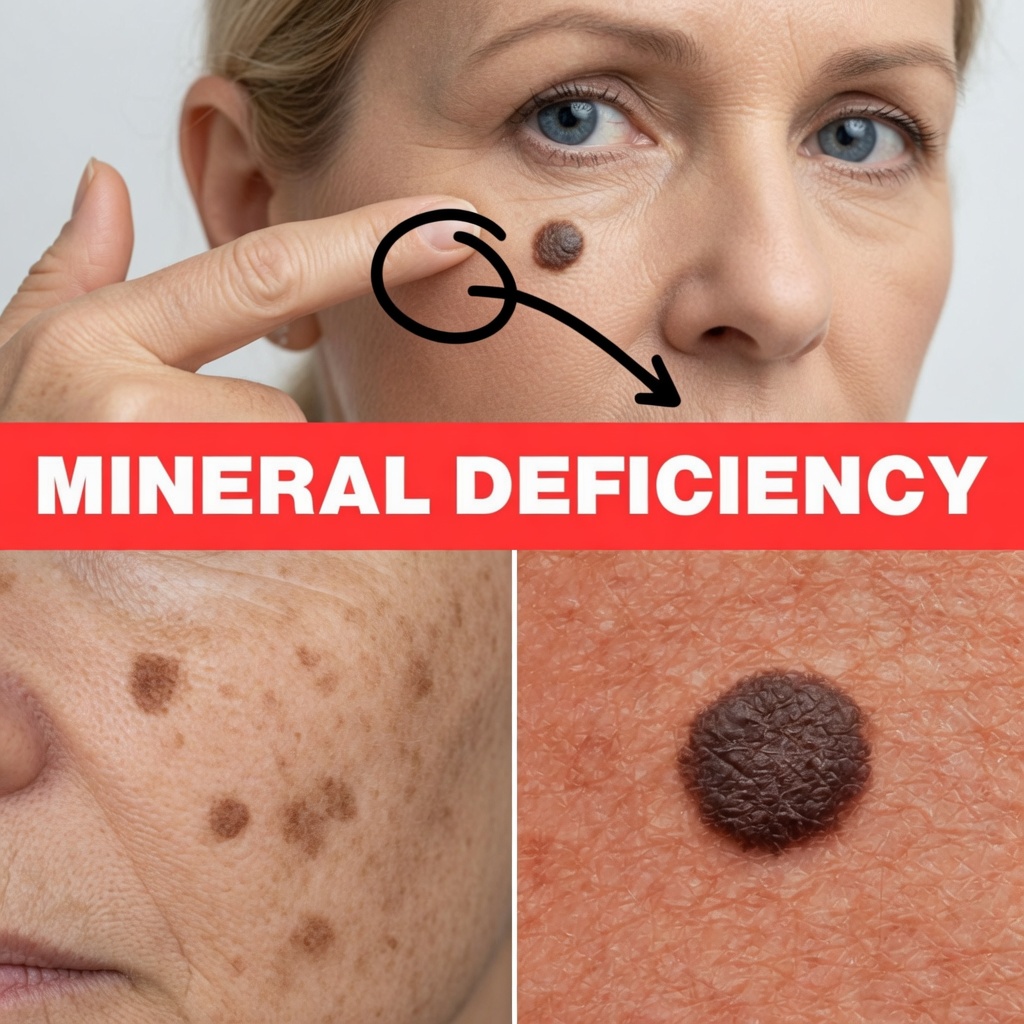
Age spots—often called liver spots or solar lentigines—commonly appear with age and years of sun exposure. Genetics and ultraviolet (UV) radiation remain major drivers, but there’s another factor many people overlook: low levels of key minerals, especially selenium. Learning how selenium supports the skin may help you better understand ways to prevent or minimize age-related discoloration.
Why Selenium Matters for Your Skin
Powerful Antioxidant Support
Selenium is known for its antioxidant activity, helping protect the skin from free radicals created by UV rays and environmental pollutants. Because free radical damage speeds up visible aging, selenium’s protective role may support a more even-looking skin tone and help reduce the appearance of discoloration over time.
Helps Maintain Skin Firmness and Elasticity
Selenium supports the body’s production of glutathione, a naturally occurring antioxidant linked to skin resilience. When glutathione levels are supported, the skin may better maintain firmness and elasticity, contributing to a healthier, more supple appearance.
Reduces the Risk of Cellular Damage
Consistent antioxidant protection—supported in part by selenium—can help limit cellular stress and damage that may contribute to age spots and uneven pigmentation. Protecting cells is an important part of keeping skin looking youthful and balanced.
Supports Immune Function for Healthier Skin
Selenium also helps maintain a strong immune system, which plays a key role in overall skin health. A well-functioning immune response helps the body defend against issues that can affect skin condition and appearance.
Selenium-Rich Foods to Add to Your Diet
If you want to increase selenium intake naturally, consider including these selenium-containing foods:
- Brazil nuts: One of the most concentrated dietary sources—1–2 nuts per day can meet most people’s daily needs.
- Seafood: Options like tuna, halibut, and sardines are rich in selenium.
- Meat and organ meats: Beef, chicken, turkey, and liver provide solid amounts.
- Eggs: A convenient source of selenium along with other nutrients.
- Whole grains: Foods such as brown rice, whole-wheat bread, and oatmeal can contribute to intake.
Selenium Supplements: What to Know
Food is typically the best way to meet your selenium needs, but supplements are available when dietary intake is low. It’s important to avoid overdoing it, since too much selenium can be harmful. The recommended daily allowance (RDA) for adults is 55 micrograms, though needs can vary by individual. Speak with a healthcare professional before starting selenium supplements, especially if you already consume selenium-rich foods regularly.
Using Selenium in Skincare Products
Diet isn’t the only route—some topical skincare formulas include selenium to provide targeted antioxidant support on the skin’s surface. If you’re exploring topical options, consider serums or creams marketed for anti-aging or brightening, where antioxidant ingredients are commonly included.
Conclusion
If age spots are a concern—or you’re focused on stronger skin health overall—reviewing your selenium intake may be worthwhile. Getting enough selenium through food (and supplements when appropriate) can help support the skin’s defenses against premature aging and uneven pigmentation. For the best results, pair good nutrition with sun protection and a consistent skincare routine to help prevent age spots and other signs of aging.