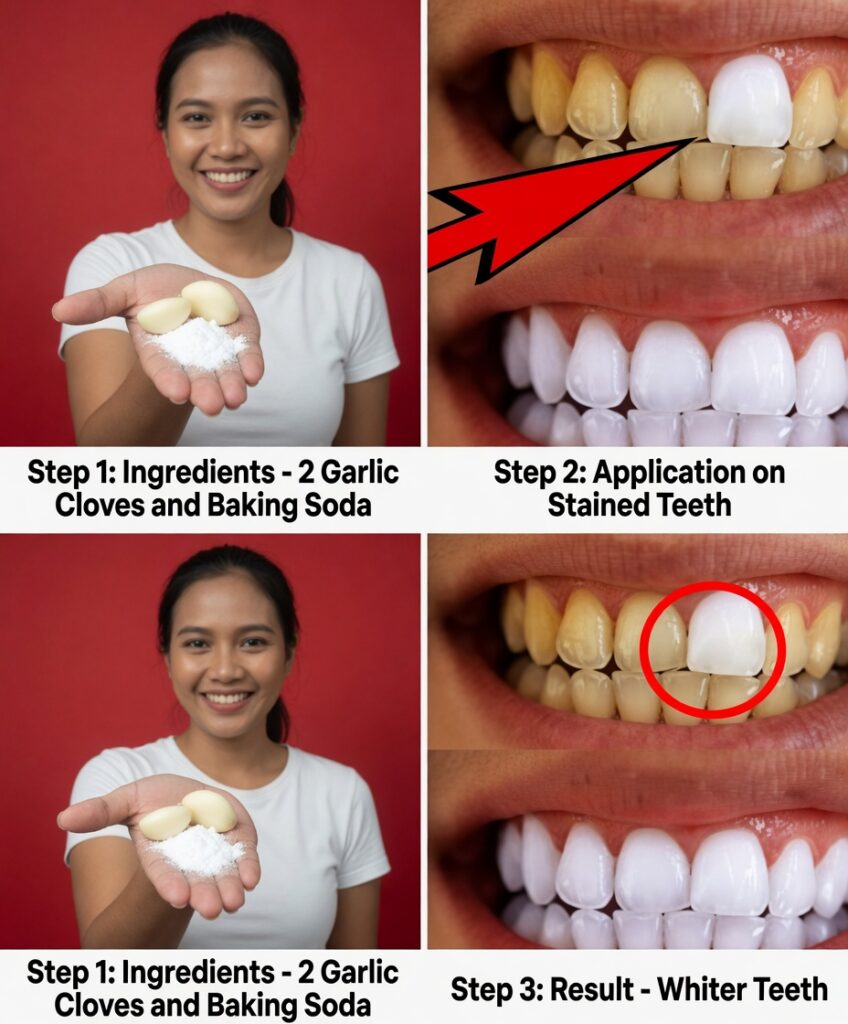
Garlic for Teeth Whitening: Can It Help Brighten Your Smile Naturally?
Garlic is famous in kitchens worldwide for adding bold flavor to countless recipes. It’s also widely valued for health benefits, such as supporting the immune system and helping maintain healthy blood pressure. What many people don’t realize is that garlic may also play a role in natural oral care—and it could even help with teeth whitening by targeting the bacteria that contribute to stains.
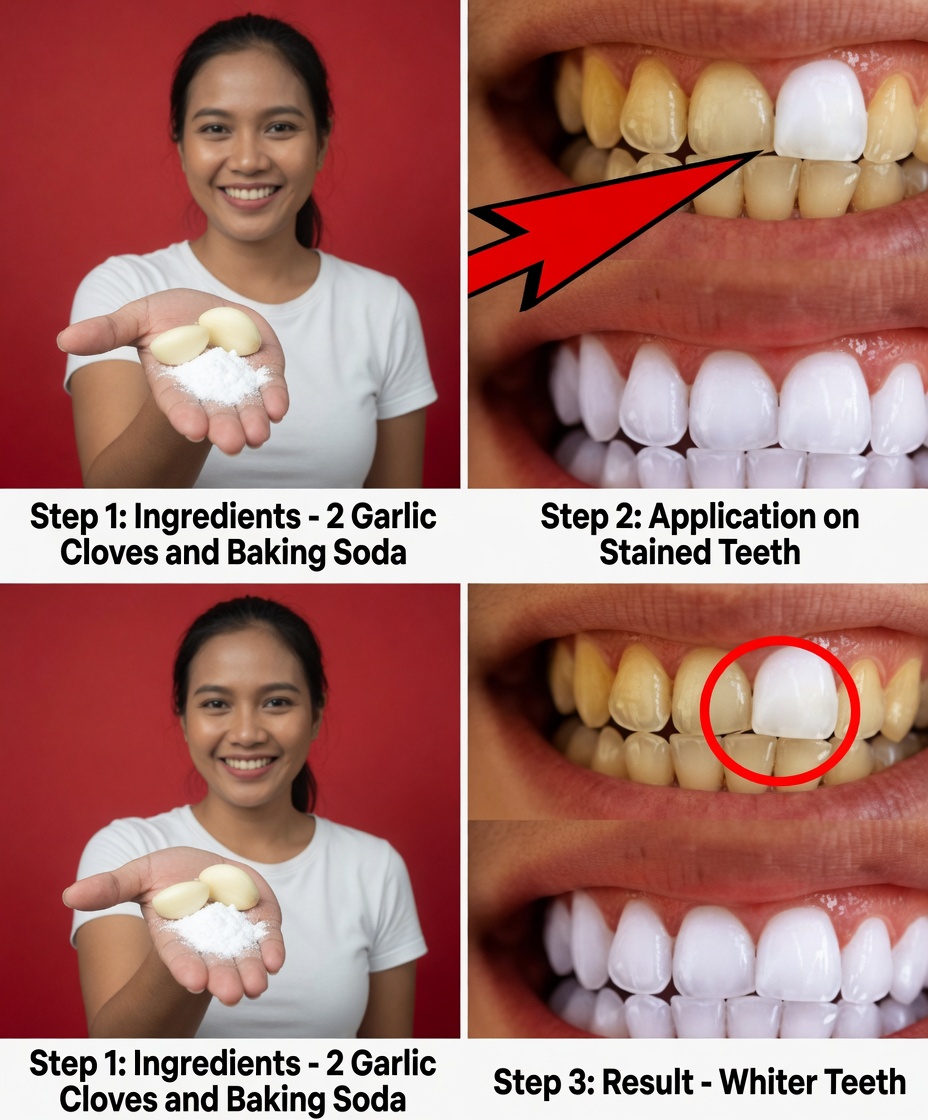
Why Garlic May Support Teeth Whitening
Garlic’s oral-health potential comes mainly from its strong antibacterial action. When garlic is crushed or chopped, it releases allicin, a natural compound known for fighting harmful microbes in the mouth. Reducing these bacteria may help limit plaque and tartar buildup, two major contributors to tooth discoloration and surface staining.
1) Natural Antibacterial Protection
Garlic can act like a natural antibacterial agent in the mouth, helping reduce the germs that lead to plaque formation.
- Less bacteria can mean less plaque
- Less plaque helps teeth look cleaner over time
- Cleaner teeth are less likely to develop yellow or dull-looking stains
2) Helping Lower the Risk of Gum Disease
Healthy gums are important for an attractive smile—bright teeth don’t look their best if gum tissue is irritated or inflamed.
Because garlic has antibacterial and anti-inflammatory properties, it may help lower the risk of gum problems such as gingivitis. If gum disease is left untreated, it can contribute to gum recession and make teeth appear more stained or uneven in color.
3) Supporting Overall Oral Health
Beyond whitening, garlic may contribute to better dental hygiene by:
- reducing harmful bacteria
- helping prevent minor oral infections
- supporting healthier teeth and gums as part of a broader routine
How to Use Garlic for Teeth Whitening (Simple Method)
Garlic can be helpful, but it should be used carefully. Since it can be irritating and may be harsh if overused, keep the contact time short and avoid frequent application.
Garlic Paste Method
Ingredients
- 1 fresh garlic clove
- a small pinch of salt
Steps
- Crush the garlic into a smooth paste.
- Mix in a tiny amount of salt.
- Apply a thin layer to your teeth, spreading it evenly.
- Leave it on for about 1 minute.
- Rinse thoroughly with water.
How often: Use once per week as an occasional addition to your oral care routine.
Tips for Better Results (and a More Comfortable Experience)
- Rinse well: Garlic can irritate the mouth if residue is left behind.
- Keep up daily habits: Brush and floss consistently to support any benefits.
- Ask a dentist first: If you have sensitive teeth, gum issues, or dental work (like crowns), check with a professional before trying new home remedies.
A Word of Caution
Garlic is not a complete teeth-whitening solution. It may help reduce bacteria linked to staining, but it won’t replace professional guidance or proven daily care. For the best long-term results, combine any natural remedy with:
- regular brushing and flossing
- routine dental cleanings
- dentist-approved whitening options when appropriate
Final Thoughts
Garlic might not be the first thing that comes to mind for a brighter smile, but its bacteria-fighting and gum-supporting qualities make it an interesting addition to natural oral care. Used carefully and occasionally, alongside standard dental hygiene, it may help you work toward a healthier-looking, cleaner smile.
Next time you’re preparing a meal with garlic, remember: it’s not only good for your overall health—it could also support your oral health in surprising ways.