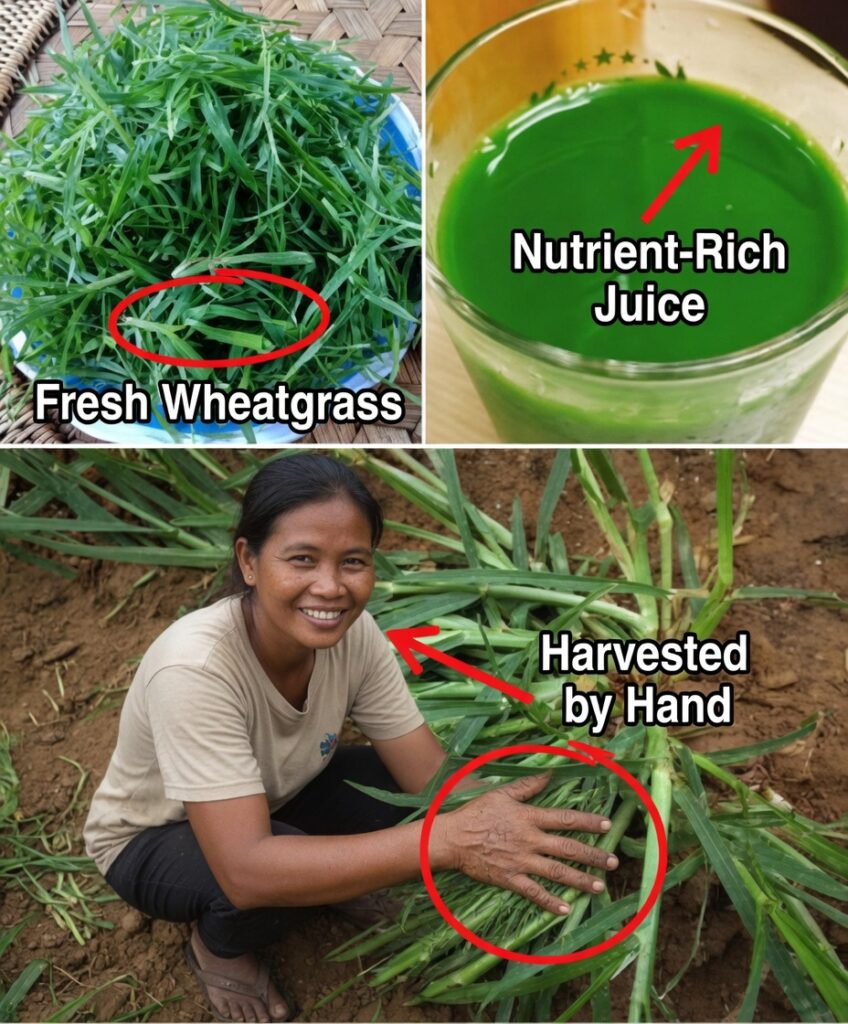
Goosegrass (Eleusine indica): A Traditional Cooling Herb With Modern Wellness Potential
Goosegrass (Eleusine indica), also known as Indian goosegrass, is a hardy plant often overlooked as a common weed—yet it has a long history in traditional Asian herbal medicine. Valued for its naturally cooling character and broad therapeutic uses, goosegrass is now attracting more attention outside Asia as people in the West explore plant-based approaches to health and wellness.
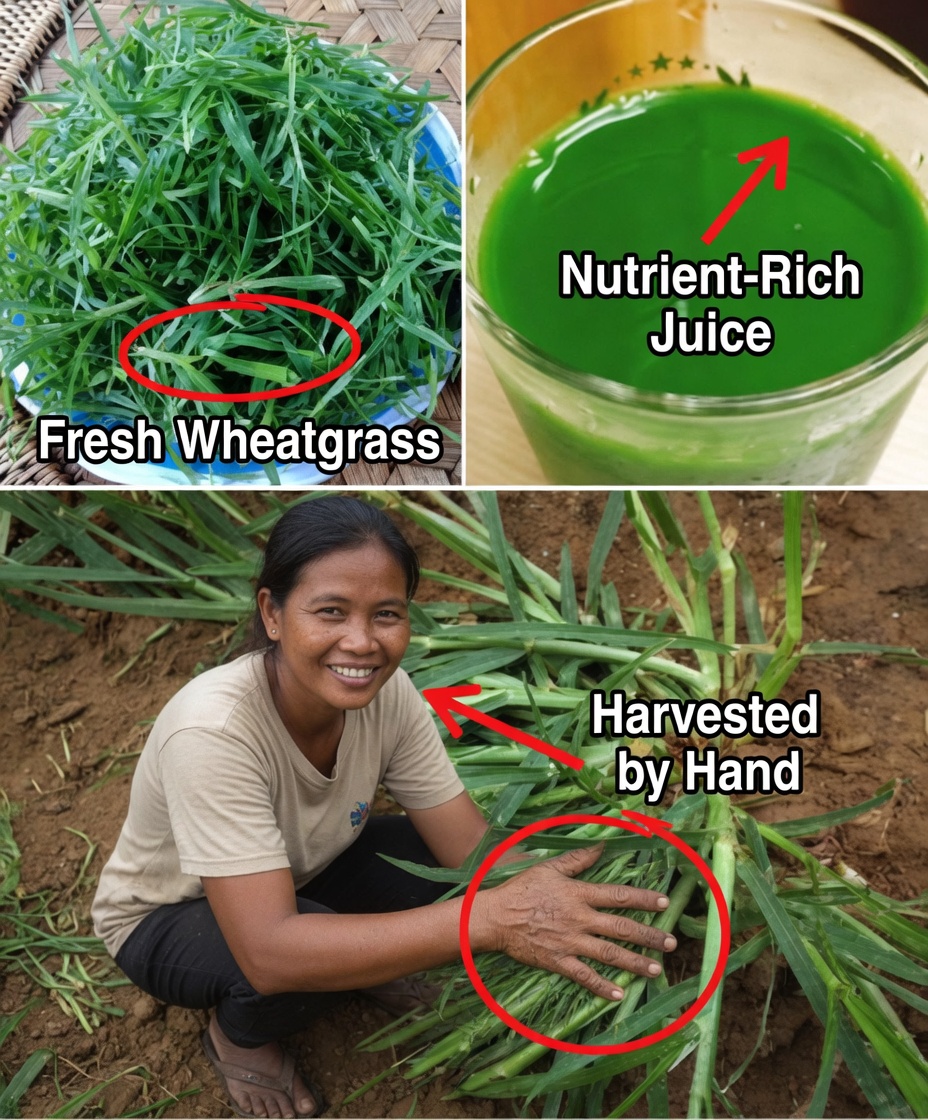
Traditional Uses of Goosegrass in Asian Herbal Medicine
For generations, goosegrass has been used as a heat-clearing herb, commonly chosen to help reduce fever and calm inflammation. Traditional practices have also relied on it for everyday concerns, including:
- Digestive discomfort: Often used to soothe the stomach, support digestion, and ease issues like indigestion and bloating.
- Urinary and kidney support: Traditionally considered a natural diuretic, helping the body increase urine output and flush out unwanted waste.
- Skin concerns: Applied to minor cuts, rashes, and irritations due to its reputation for anti-inflammatory and antimicrobial support.
What Modern Research Suggests About Goosegrass Benefits
While traditional knowledge built goosegrass’s reputation, modern studies are beginning to explore why it may work. Current research points to several promising health-related properties:
-
Anti-inflammatory activity
Goosegrass contains plant compounds such as flavonoids and alkaloids, which may help modulate inflammation. This has led to interest in its potential role in inflammatory conditions like joint discomfort. -
Detox support and kidney health
Because goosegrass may promote urination, it is often associated with natural detoxification support. This effect may also help reduce the likelihood of mineral buildup linked to kidney stone risk. -
Antioxidant support
Antioxidants in goosegrass may help protect cells from oxidative stress caused by free radicals, supporting overall cellular wellness. -
Blood sugar balance (early evidence)
Emerging findings suggest goosegrass could play a role in supporting healthy blood sugar levels, making it of interest for metabolic health research. -
Cooling and soothing effects
True to its traditional role, goosegrass is still associated with cooling relief, which may be helpful during heat-related discomfort, including feverish feelings.
How to Use Goosegrass Safely in Daily Life
If you’re considering goosegrass as part of a natural wellness routine, these common methods are often used:
- Goosegrass herbal tea: Simmer fresh or dried goosegrass in water to create a light, refreshing tea often used for gentle cleansing support.
- Topical poultice: Crush the leaves and apply to minor skin irritations or small wounds to take advantage of its traditional soothing use.
- Powder or supplement forms: Dried goosegrass powder is increasingly available through wellness shops, offering a convenient option for those who prefer ready-to-use preparations.
A Humble Plant Worth Rediscovering
Goosegrass may look ordinary, but its long-standing role in traditional medicine and its growing scientific interest suggest real potential. Whether your goal is inflammation support, kidney and detox support, or a gentle cooling herb for seasonal discomfort, goosegrass is a plant that deserves a second look.
By connecting time-tested herbal traditions with modern research, goosegrass stands out as a compelling example of how ancient remedies can still fit today’s health priorities.