Lowering Uric Acid Naturally: 8 Practical Strategies
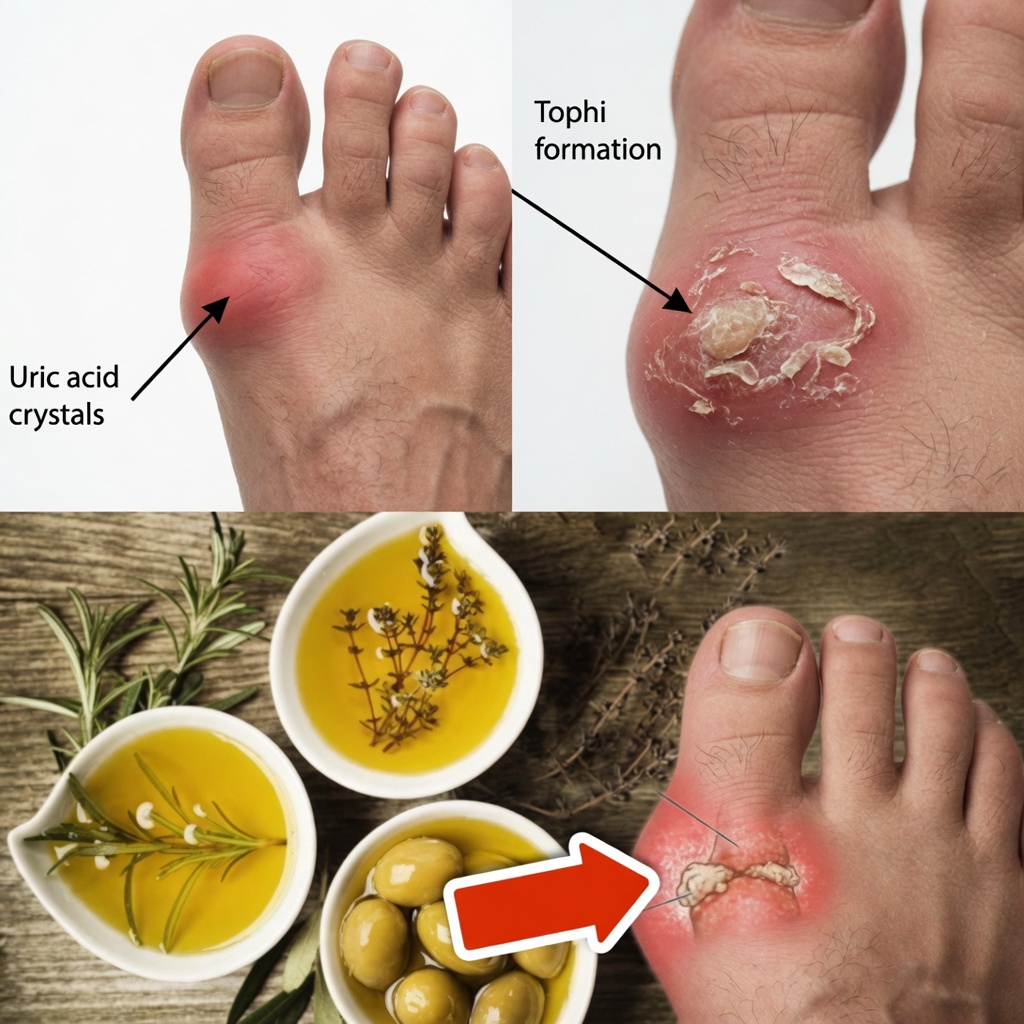
Too much uric acid in the body can trigger painful health problems, including gout, kidney stones, and inflammation in the joints. The good news is that simple changes in diet and daily habits can often help reduce uric acid levels naturally and support long-term comfort.
1. Drink Enough Water Every Day
Why it works: Water helps your kidneys filter and remove uric acid through urine, reducing the chance of buildup.
How much to aim for:
- Around 8–10 glasses daily
- Herbal teas or fruit-infused water can add variety (without extra sugar)
2. Cut Back on High-Purine Foods
Why it works: Purines are broken down into uric acid. Eating fewer purine-heavy foods can lower how much uric acid your body produces.
Limit or avoid:
- Red meat
- Organ meats (such as liver)
- Shellfish
- Oily fish (such as sardines and mackerel)
Better options (in moderation):
- Chicken or other lean meats
- Tofu
- Legumes
3. Choose More Low-Purine Foods
Why it works: Low-purine choices support a healthier uric acid balance and are easier on the body.
Great choices include:
- Vegetables such as broccoli, cauliflower, and spinach
- Low-fat dairy, which is linked with lower uric acid levels
- Whole grains like oats, brown rice, and quinoa
4. Reduce Sugary and Highly Processed Foods
Why it works: Added sugar—especially fructose—can raise uric acid levels. Many processed foods contain hidden sugars and unhealthy fats.
Try to avoid:
- Soft drinks
- Fruit juices
- Candy and sweet snacks
- Pastries and refined carbohydrate-heavy foods
5. Add Cherries to Your Routine
Why it works: Cherries contain anthocyanins, natural compounds that may help reduce inflammation and support lower uric acid levels.
How to use:
- About 1/2 cup of fresh cherries daily, or
- Tart cherry juice (check labels to avoid added sugar)
6. Limit Alcohol, Especially Beer and Spirits
Why it works: Alcohol can increase uric acid production and reduce the body’s ability to clear it—beer and spirits tend to have the strongest effect.
A practical tip:
- If you drink, choose wine in moderation
- Drink water alongside alcohol to stay hydrated
7. Get More Vitamin C
Why it works: Vitamin C may help lower uric acid by supporting kidney function and improving uric acid excretion.
Food sources to include:
- Oranges, lemons, and other citrus fruits
- Bell peppers
- Strawberries
- Kiwi
Supplement option:
- A 500 mg vitamin C supplement may help if your intake from food is too low
8. Maintain a Healthy Body Weight
Why it works: Excess body fat can make it harder for the kidneys to remove uric acid efficiently. Gradual weight loss reduces metabolic strain and supports better uric acid control.
Best approach:
- A balanced eating pattern
- Regular physical activity
- Slow, steady weight loss (rapid dieting can sometimes trigger uric acid spikes)
Bonus Tips to Support Uric Acid Balance
- Apple cider vinegar: Mix 1 tablespoon into a glass of water daily (if tolerated)
- Green tea: May support healthier uric acid levels and lower gout risk
- Baking soda: Some people use 1/2 teaspoon in water occasionally to help neutralize acidity—speak with a doctor first before trying this
Foods to Eat More Often vs. Foods to Limit
Foods to embrace:
- Low-fat dairy
- Whole grains
- Cherries and citrus fruits
- Leafy greens
- Nuts and seeds
Foods to avoid or reduce:
- Organ meats (liver, kidney)
- Red meat
- Alcohol (especially beer)
- Shellfish and oily fish
- Sugary drinks
When to See a Doctor
Seek medical advice if:
- Your uric acid stays high despite consistent lifestyle changes
- You have frequent or severe gout attacks
- You suspect kidney stones or experience intense joint pain and swelling
Final Thoughts
Lowering uric acid naturally is often achievable with consistent daily habits. By focusing on hydration, a smarter diet, and healthy weight management, you can reduce uric acid levels and help prevent painful flare-ups over time.