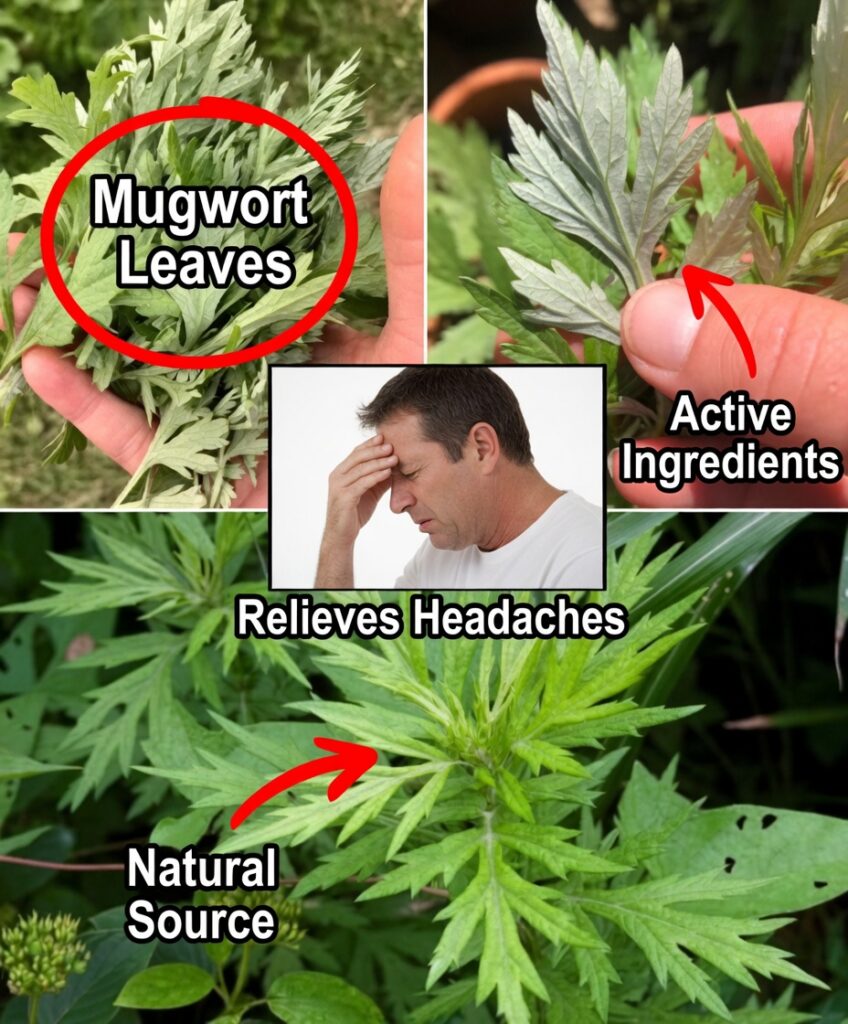
Mugwort (Artemisia vulgaris): Uses, Possible Benefits, and Safety Tips
Mugwort (Artemisia vulgaris) is a resilient, strongly scented herb with a long history in traditional wellness practices across the world—especially in parts of Asia and Europe. Many people use it for digestion, relaxation, and ritual traditions, but research supporting several of these uses is still limited. If you’re considering mugwort as an herbal remedy, speak with a qualified healthcare professional first—particularly if you are pregnant, breastfeeding, or living with an ongoing health condition.
Mugwort at a Glance
- Botanical name: Artemisia vulgaris
- Plant family: Asteraceae (daisy family)
- Also known as: Common mugwort, wild wormwood, felon herb, St. John’s herb
- Parts commonly used: Leaves and stems (sometimes the roots)
Mugwort is valued for its aromatic, slightly bitter leaves. In folk and traditional systems, it has appeared in teas, tinctures, foods, topical preparations, and smudge bundles, with many cultures attributing a wide range of wellness uses to the plant.
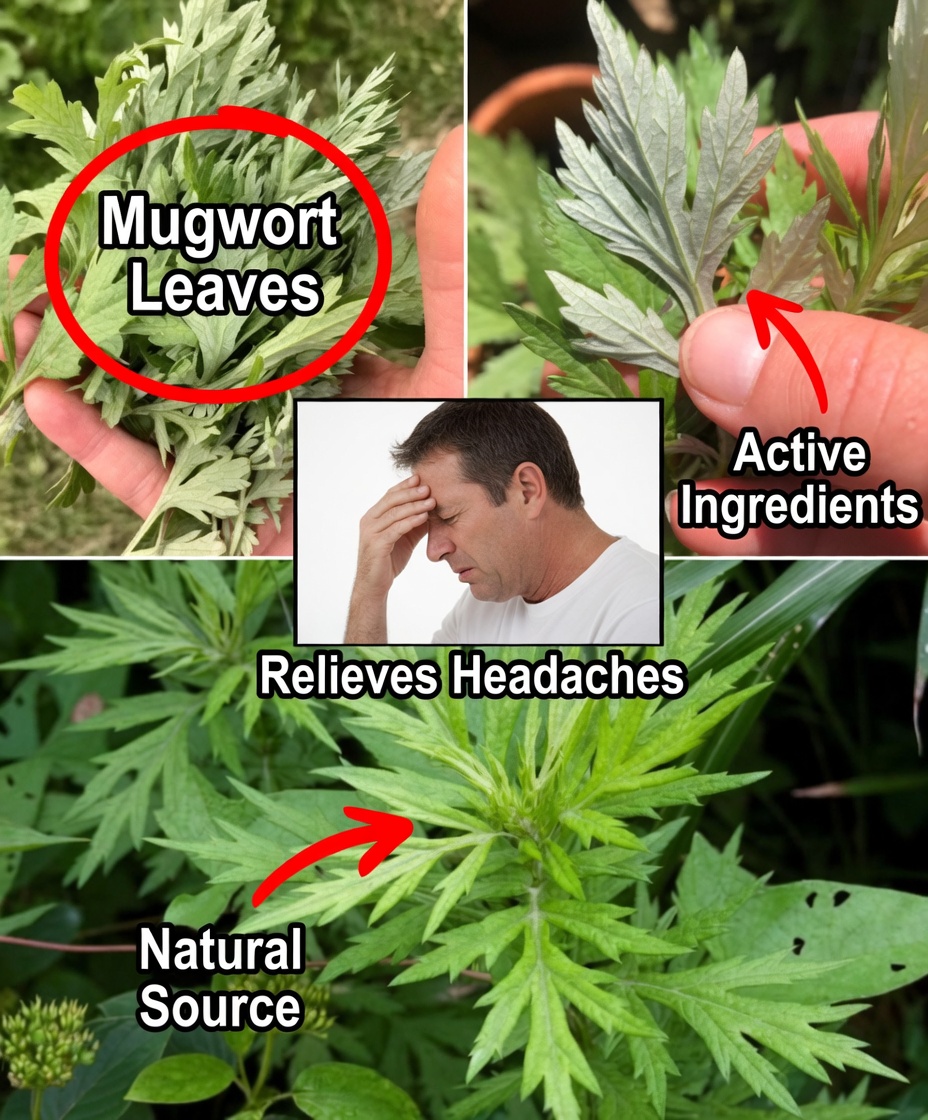
20 Potential Benefits of Mugwort (Traditional and Emerging Uses)
Below are commonly cited uses based on traditional practice, anecdotal reports, and limited early research. Evidence quality varies, and some claims need stronger clinical studies.
-
Digestive support
Traditionally used to help digestion by encouraging gastric activity, which may ease minor bloating or discomfort. -
Appetite support
Bitter herbs are often used to promote appetite, especially during recovery or periods of low hunger. -
Menstrual cycle support (traditional use)
Mugwort is sometimes described as a uterine tonic and may be used to encourage or regulate menstrual flow. Do not use if pregnant. -
Moxibustion in Traditional Chinese Medicine (TCM)
Dried mugwort (called moxa) is burned near acupuncture points to warm the body and support the flow of Qi. -
Relaxation and calming effects
In some traditions, mugwort tea is used as a gentle, calming nighttime drink. -
Dream support (oneirogenic folklore)
Mugwort is famous in folklore for encouraging vivid or lucid dreams—sometimes brewed as tea or placed near the bed. -
Potential anti-inflammatory activity
Mugwort contains plant compounds (including flavonoids) that may have mild anti-inflammatory effects, though more research is needed. -
Antimicrobial and antifungal potential
Some studies suggest mugwort extracts may inhibit certain bacteria or fungi, aligning with historical use for minor skin concerns. -
Respiratory comfort (traditional practice)
The aromatic qualities have led to use in steam inhalations or smoke-based traditions for temporary congestion relief. -
Mild diuretic effect
Mugwort is sometimes used to gently increase urination as part of traditional cleansing routines. -
Traditional liver and gallbladder support
In folk medicine, mugwort has been used to encourage bile flow and support digestion tied to liver and gallbladder function. -
Joint and muscle comfort (topical use)
Infused oils or rubs are occasionally applied to support comfort in sore muscles or stiff joints. -
Relaxing foot soaks
Warm mugwort foot baths appear in spa-style and folk practices aimed at unwinding and easing tension. -
Natural pest deterrent
Its strong scent has been used to discourage insects and moths in cupboards, drawers, and gardens. -
Possible mood support (anecdotal)
Some users report feeling calmer or more balanced, although formal research remains limited. -
Traditional skin cleansing
Mugwort’s mildly astringent nature is sometimes used in washes or facial steams for oily or blemish-prone skin. -
Culinary herb use
In several East Asian dishes, mugwort adds a distinctive herbal bitterness to soups, rice cakes, and sweets. -
Spiritual and ritual use
Mugwort has a long association with cleansing rituals in various cultures, including smudging practices. -
Soothing minor insect bites (traditional use)
Crushed leaves or herbal pastes are sometimes applied to minor bites or stings for comfort. -
Traditional “energy tonic” reputation
Some herbal systems consider mugwort supportive for vitality, though modern evidence is largely anecdotal.
How to Use Mugwort
Mugwort Tea (Infusion)
- How to make it: Steep 1 teaspoon of dried mugwort leaves in 1 cup of hot water for 5–10 minutes.
- Why people use it: Often chosen for digestion, relaxation, and traditional dream support.
- Taste note: Mugwort is naturally bitter—many people combine it with herbs like chamomile or add a little honey.
Moxa (Moxibustion)
- How it’s used: Dried, fluffy mugwort is formed into cones or sticks and burned near acupuncture points.
- Best practice: This should be done with guidance from a trained practitioner, as it involves heat and smoke.
- Traditional purpose: Used in TCM to warm meridians and support Qi flow.
Essential Oil or Smudge Bundle
- Smudge use: Dried mugwort may be bundled and burned for aroma and traditional ritual purposes.
- Essential oil use: Mugwort essential oil is highly concentrated.
- Safety note: Always dilute essential oils before applying to skin, and avoid using them around sensitive individuals.
Cooking with Mugwort
- How to use: Add young leaves sparingly to soups, stews, or traditional recipes.
- Why it’s used: Provides a distinct herbal bitterness and is sometimes valued as a digestive-friendly seasoning.
- Caution: Treat it like a spice, not a main vegetable—too much may irritate some people.
Topical Preparations (Infused Oil or Salve)
- Simple method: Infuse dried mugwort in a carrier oil (such as olive oil) for 2–3 weeks, then strain and use in salves or massage oils.
- Common uses: Traditionally applied for minor muscle soreness or mild skin irritation.
Precautions and Safety Considerations
Pregnancy and breastfeeding
- Mugwort is traditionally linked with menstrual stimulation and may encourage uterine activity. Avoid during pregnancy, and consult a clinician before use while breastfeeding.
Allergy risk (Asteraceae family)
- Mugwort is related to ragweed, daisies, and chrysanthemums. If you have pollen or plant allergies, you may be more likely to react.
High-dose concerns (thujone content)
- Some mugwort varieties contain thujone, a compound that can be harmful in large amounts. Typical culinary or moderate herbal use is generally considered low risk, but avoid excessive intake.
Possible medication interactions
- Mugwort may interact with:
- Sedatives (due to potential calming effects)
- Blood-thinning or clotting-related medications
- If you take prescription drugs, consult a healthcare professional before using mugwort regularly.
Extra caution for sensitive groups
- Children and people with chronic issues (including kidney or liver concerns) should only use mugwort under professional supervision.
Bottom Line
Mugwort (Artemisia vulgaris) is a well-known herb with deep roots in traditional medicine, culinary use, and spiritual practice. It is commonly associated with digestion support, relaxation, and vivid-dream folklore, but many claims still lack strong modern clinical evidence. If you choose to try mugwort, start with small amounts, watch how your body responds, and consider guidance from a qualified herbalist or healthcare provider—especially if you’re pregnant, allergy-prone, or managing a medical condition.