Struggling With Severe Cramps? Natural Ways That May Ease Endometriosis Pain
Millions of women deal with monthly discomfort that goes far beyond “normal” period cramps—yet they’re often dismissed or told to simply endure it. Over time, this can lead to years of frustration, missed work, emotional strain, and a real impact on daily life, relationships, and overall well-being. Many continue in silence, not realizing these symptoms may be linked to endometriosis, a condition that affects about 10% of women worldwide.
The positive news: with better information, it becomes easier to recognize warning signs, speak openly with healthcare professionals, and find practical strategies to manage symptoms and protect quality of life.
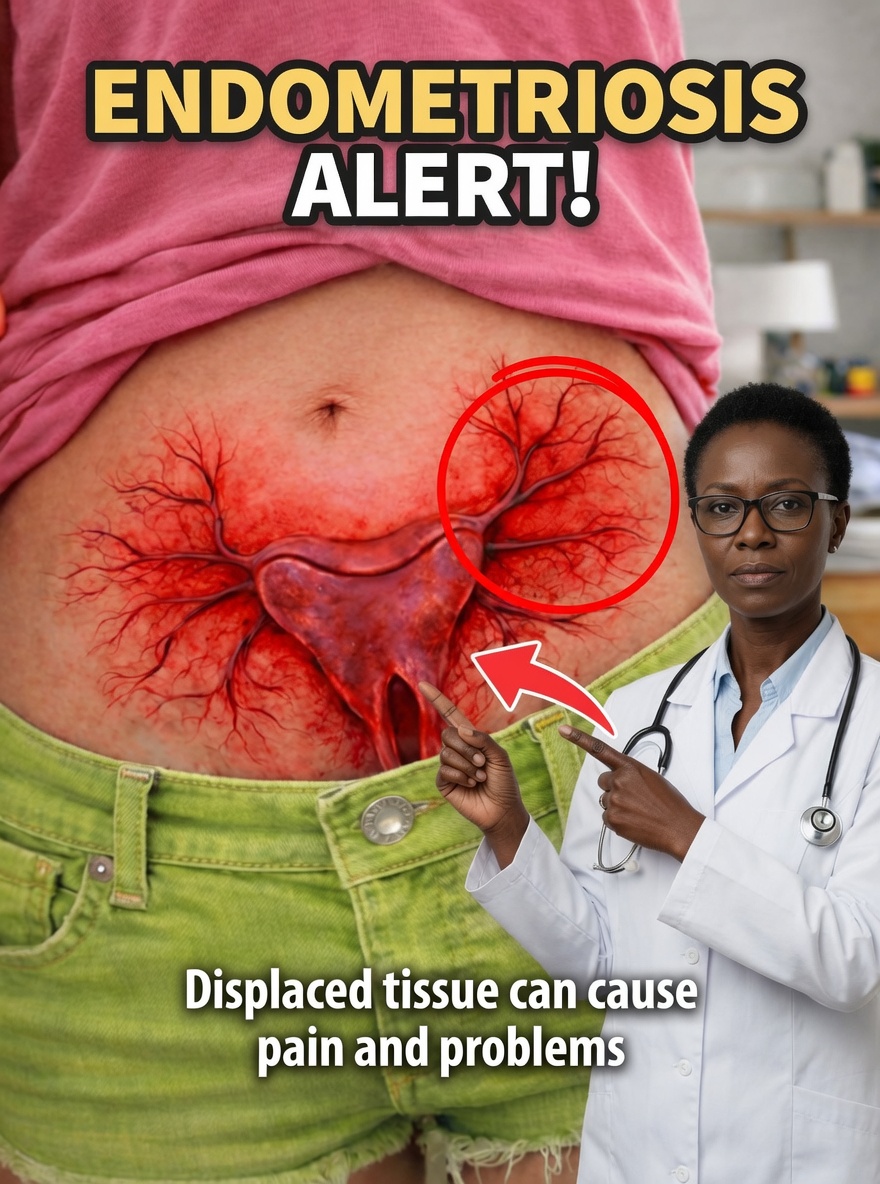
Understanding Endometriosis: What It Actually Is
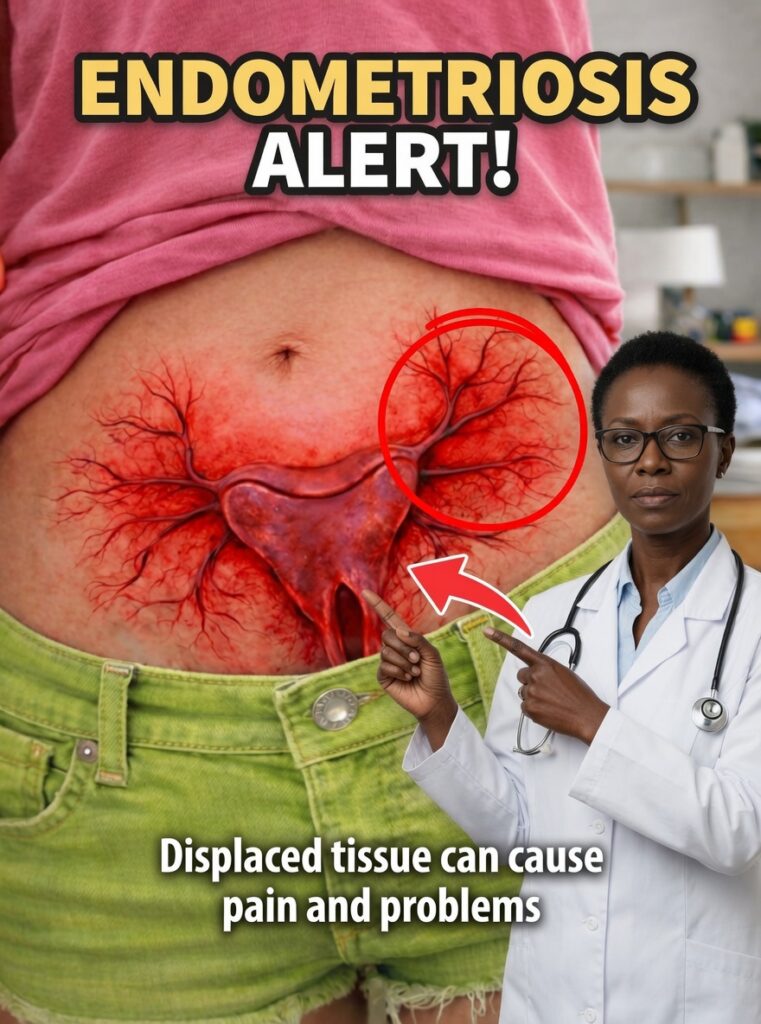
Endometriosis happens when tissue similar to the lining inside the uterus grows outside the uterus—most commonly in the pelvic area. This tissue responds to hormonal changes during the menstrual cycle, which can trigger inflammation, irritation, and sometimes scar tissue (adhesions).
An estimated 190 million women of reproductive age live with endometriosis. Many notice symptoms between ages 20 and 40, but signs can appear earlier as well. The exact cause is still not fully understood and may involve genetics, immune system factors, or changes in menstrual flow.
A major challenge is that the symptoms are often minimized, normalized, or overlooked.
Common Symptoms That Deserve Attention
The most frequent symptom is pelvic pain, especially during menstruation—though it can also happen at other times. Many women describe cramps that are so intense they interfere with work, school, and everyday activities.
Other possible signs include:
- Pain during or after sex
- Pain when urinating or having a bowel movement, especially during the period
- Heavy bleeding or irregular bleeding
- Ongoing fatigue and digestive issues such as bloating
It’s also important to note: not everyone has severe pain. Some people only discover endometriosis while investigating fertility challenges.
Myths vs. Facts: Clearing Up Confusion
-
Myth: It’s just really bad period cramps.
Fact: Endometriosis pain is often stronger, longer-lasting, and may occur outside the menstrual period. -
Myth: Only older women get it.
Fact: Endometriosis can affect teens and young women, too. -
Myth: Pregnancy cures endometriosis.
Fact: Symptoms may improve temporarily for some, but they often return later. -
Myth: Nothing can be done.
Fact: There are multiple ways to manage symptoms and improve daily life.
Why It Matters: The Real Impact on Daily Life
Living with endometriosis can feel isolating. Chronic pain may contribute to anxiety, low mood, and strain in relationships. Many women report waiting years for a diagnosis, which can deepen physical and emotional exhaustion.
Talking openly about endometriosis helps reduce stigma and encourages earlier support and treatment.
Practical Steps to Support Your Well-Being
There isn’t a single solution that works for everyone, but these natural and lifestyle-focused strategies may help many people feel better—especially when combined with professional guidance:
- Track your symptoms: Record pain levels, cycle timing, bleeding patterns, and triggers
- Choose gentle movement: Activities like walking, yoga, or swimming may help reduce tension and improve circulation
- Focus on nourishing food: Prioritize whole foods and consider omega-3-rich options
- Lower stress levels: Try deep breathing, relaxation practices, or warm baths/heat therapy
- Speak with a healthcare professional: Describe symptoms clearly and bring notes from your tracking
Every body is different, but consistent habits can make daily symptoms easier to manage.
When to Seek Medical Support
If your pain disrupts your routine or affects your energy, relationships, work, or life plans, it’s important to get evaluated. The earlier you seek support, the more options you may have to control symptoms and protect long-term health.
Frequently Asked Questions
Is endometriosis the same as menstrual cramps?
No. Endometriosis involves tissue growing outside the uterus and can cause broader inflammation and more persistent pain.
Can lifestyle changes really help?
They can make a meaningful difference for many people—especially diet changes, stress reduction, and gentle exercise.
Does endometriosis always cause infertility?
No. Some women conceive naturally, while others may need medical support.
How is it diagnosed?
Diagnosis can involve medical history, symptom review, imaging tests, and in some cases specific procedures recommended by a specialist.
Conclusion: Knowledge Helps You Take Control
Endometriosis affects millions of women, but understanding it is a powerful first step toward support and relief. Recognizing symptoms, challenging myths, and prioritizing your health can help you move from silence to solutions.
Remember: each person’s experience is different, and guidance from qualified healthcare professionals is essential for finding the best approach.
Disclaimer: This article is for informational purposes only and does not replace medical advice. Always consult a healthcare professional for proper evaluation and care.