Are You Struggling With Severe Period Pain? Natural Ways to Ease Endometriosis Symptoms May Surprise You
Millions of women live with intense pelvic pain, very heavy periods, or recurring discomfort that disrupts daily life—yet many still assume it’s “just bad cramps” or something they must quietly endure. This common condition can affect work, relationships, sleep, and overall well-being for years before a clear diagnosis is made.
Globally, an estimated 10% of women of reproductive age—around 190 million people—are affected. The encouraging part is that the more you understand endometriosis, the better prepared you are to seek support and protect your quality of life.
Understanding Endometriosis
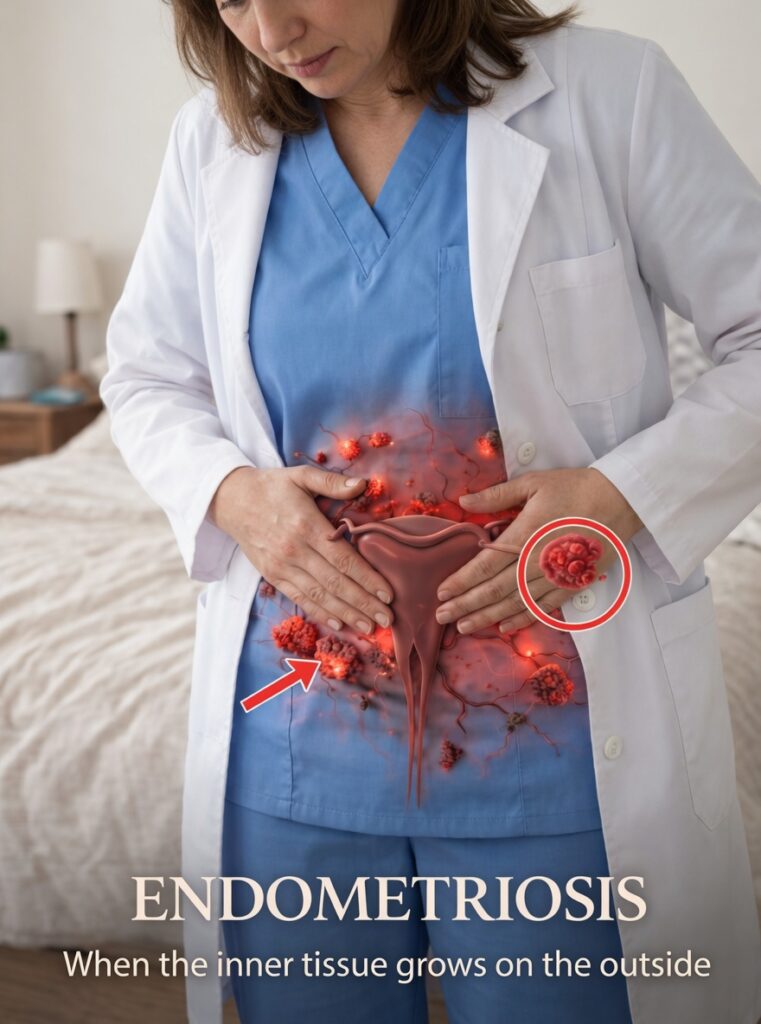
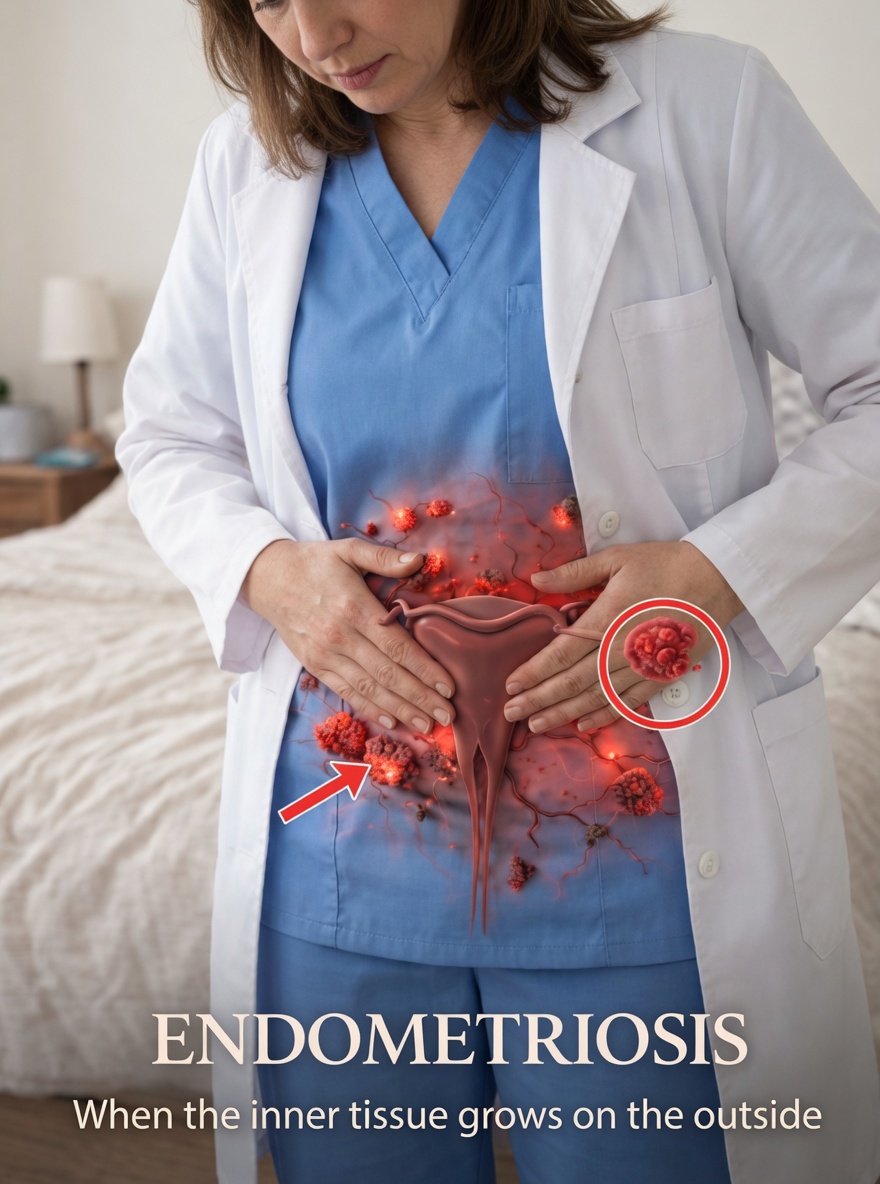
Endometriosis happens when tissue similar to the uterine lining (endometrium) grows outside the uterus—most often on the ovaries, fallopian tubes, or other areas in the pelvis. This tissue still responds to menstrual cycle hormones: it thickens, breaks down, and bleeds. However, unlike a normal period, the blood and tissue can’t leave the body easily, which may lead to:
- Inflammation
- Ongoing pain
- Scar tissue (adhesions) developing over time
Many women spend years without realizing their symptoms may be connected to endometriosis. Limited awareness is one of the reasons diagnosis is often delayed for a long time.
Common Symptoms Many People Dismiss
The most typical sign is pelvic pain that feels stronger than normal menstrual cramps. It may appear before, during, or after menstruation, and can sometimes radiate into the lower back or legs.
Other frequent symptoms include:
- Pain during or after sex
- Pain or discomfort when passing stool or urinating, especially during your period
- Heavy bleeding or irregular cycles
- Bloating and persistent fatigue
- Difficulty getting pregnant in some cases
Symptoms can vary widely. Some women experience mild discomfort, while others face debilitating pain. One key point: period pain should not routinely stop you from living your normal life. If it does, it deserves medical attention.
Possible Causes and Risk Factors
There isn’t a single confirmed cause, but several factors may increase risk or contribute to the condition, including:
- Retrograde menstruation (menstrual flow moving backward through the fallopian tubes)
- Family history (genetic predisposition)
- Early onset of menstruation
- Short, frequent, or very heavy cycles
- Hormonal influence, especially estrogen
The immune system may also struggle to clear endometrial-like tissue growing outside the uterus. Importantly, anyone who menstruates can develop endometriosis.
Why Early Awareness Matters
Living with unexplained pain can lead to anxiety, frustration, and even social withdrawal. Many women also report not being taken seriously when they seek help. Open conversations and early awareness are essential to break this cycle and access solutions sooner.
Natural Self-Care Options to Support Well-Being
While there is no definitive cure, many women find symptom relief through supportive, natural habits alongside professional care. Options that may help include:
- Heat therapy: a heating pad or warm compress can relax muscles and ease cramps
- Gentle movement: walking, yoga, and swimming may improve circulation and lower stress
- Anti-inflammatory eating: fruits, vegetables, whole grains, and omega-3-rich fish can support inflammation balance
- Reducing triggers: cutting back on ultra-processed foods and limiting red meat may help some people
- Symptom tracking: noting pain, bleeding, digestion, and fatigue can reveal patterns and improve conversations with clinicians
Pelvic floor physical therapy may also be useful for reducing muscle tension and improving pelvic comfort.
When to Seek Medical Help
Consider seeing a healthcare professional if:
- Pain interferes with your daily routine
- Your periods are unusually heavy, long, or worsening
- You have pain during sex or digestive symptoms linked to your cycle
When you talk to a clinician, explain how symptoms affect your life, not only what you feel physically. If you feel dismissed or unheard, a second opinion is reasonable.
You Are Not Alone
Endometriosis is more common than many people realize. Sharing experiences and finding support—whether through trusted friends, patient communities, or professionals—can make a real difference. Information is power, and understanding your body is a meaningful first step toward living better.
Frequently Asked Questions
-
Can endometriosis go away on its own?
Not exactly. Symptoms may change over time, but endometriosis is generally considered a chronic condition. -
Does everyone with endometriosis struggle to get pregnant?
No. Many people with endometriosis can conceive naturally. -
Do severe cramps always mean endometriosis?
No, but intense, persistent, or worsening pain should be evaluated.
Conclusion
Learning about endometriosis is a key step toward taking control of your health. By listening to your body, tracking symptoms, and seeking the right guidance, many women are able to manage symptoms and improve comfort and quality of life.
Important notice: This content is for informational purposes only and does not replace medical advice. Always consult a qualified healthcare professional for diagnosis and appropriate treatment.