Unexplained Aches or Tiredness? Your Body Might Be Signaling Something
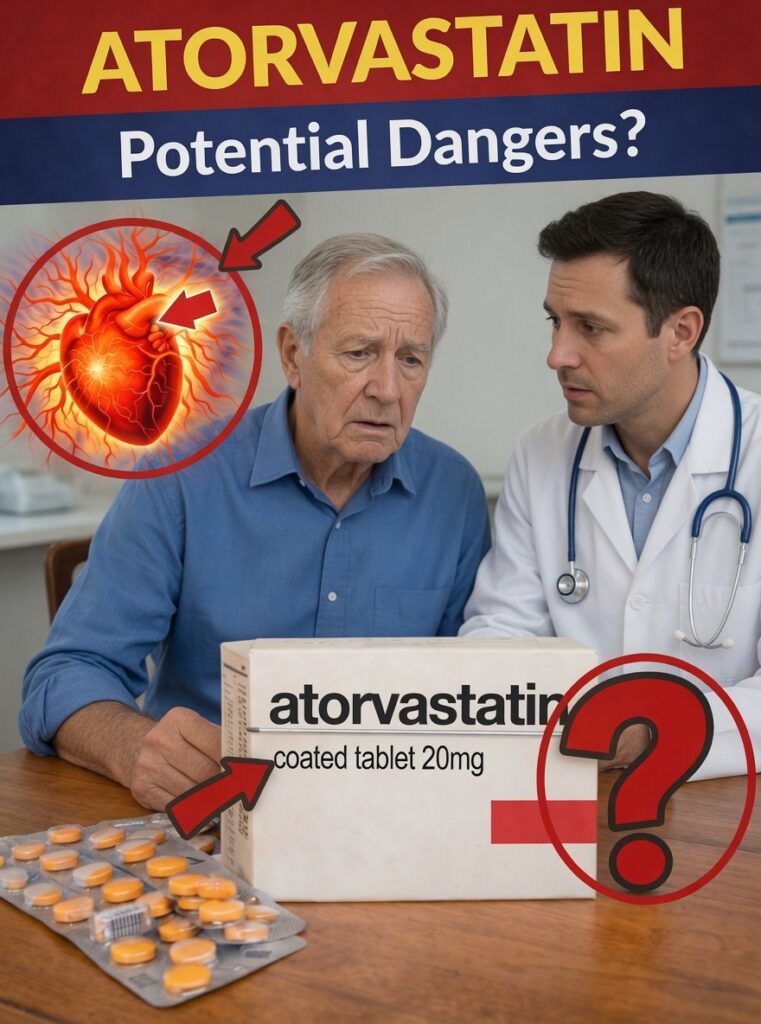
A 62-year-old patient once told his doctor: “I’ve taken atorvastatin for years, but lately I’m feeling more muscle pain and fatigue than usual.” After an evaluation, the physician considered a possible connection to the medication. This doesn’t mean atorvastatin is unsafe for everyone, but understanding potential side effects can help you notice changes early and discuss them with a healthcare professional.
If you—or someone close to you—uses atorvastatin to manage cholesterol, you may wonder why new discomforts can show up even after long-term use. Many people tolerate this statin well, yet others notice subtle shifts that affect daily life. And here’s what surprises many patients: beyond the well-known muscle aches, there are lesser-known side effects that may go unnoticed until they become more obvious.
What Is Atorvastatin, and Why Can Side Effects Happen?
Atorvastatin is part of the statin family, widely prescribed to lower LDL (“bad”) cholesterol and reduce cardiovascular risk. For most people, it delivers major heart-protection benefits with minimal issues.
Still, every body responds differently. Side effects can vary based on factors such as:
- Age
- Dosage
- Other medications or supplements
- Liver and kidney function
- Overall health and activity level
Muscle-related symptoms are among the most commonly reported concerns, ranging from mild soreness to noticeable fatigue. Importantly, these effects can develop slowly—even after years of stable use.
Common Experiences: Muscle Pain and Fatigue
Many patients describe a deep, persistent ache in areas like the thighs, calves, or shoulders—often different from the soreness you’d expect after exercise. Fatigue may also appear, making routine tasks feel unusually draining.
Other symptoms some people report include:
- Joint discomfort
- Mild digestive changes
- Headaches or dizziness
In many cases, symptoms improve over time or with simple adjustments guided by a clinician.
15 Lesser-Known Atorvastatin Side Effects to Watch For
These effects are not common, but they are reported and worth paying attention to—especially if they are new, persistent, or worsening:
- Ongoing muscle fatigue
- Neck or back stiffness
- Sleep disturbances
- Mild memory or concentration problems
- Skin changes (dryness or itching)
- Changes in taste
- Increased sensitivity to cold
- Hair thinning
- Mild visual changes
- Mood shifts
- Tingling in hands or feet
- Bloating or appetite changes
- Slight increase in blood glucose
- Tendon sensitivity
- A general sense of weakness
These symptoms can have many possible causes and aren’t always directly due to atorvastatin. That’s why it’s essential to review them with a healthcare professional rather than assuming.
Warning Signs: When to Seek Urgent Medical Help
Get medical attention promptly if you experience:
- Severe muscle pain or dark urine
- Yellowing of the skin or eyes
- Extreme fatigue with flu-like symptoms
- Signs of an allergic reaction (swelling, hives, trouble breathing)
What to Do If You Notice New Symptoms
Do not stop atorvastatin on your own. Instead, take practical steps that help your doctor evaluate what’s going on:
- Track your symptoms and when they began
- Schedule a medical review
- Ask whether a dosage change or medication switch is appropriate
- Support your body with healthy habits (hydration, gentle stretching, regular movement)
- Discuss supplements such as CoQ10 or vitamin D only with professional guidance
Small, consistent lifestyle choices can make a meaningful difference in overall well-being.
Why Information Matters More Than Fear
Atorvastatin helps millions of people protect their heart health, and most users do not develop serious problems. When side effects occur, they are often manageable with monitoring and individualized adjustments.
The key is to listen to your body, stay informed, and maintain regular communication with your healthcare provider. Knowledge helps you act early—rather than worrying in silence.
Frequently Asked Questions
Can atorvastatin cause fatigue after years of use?
Yes. Some people report tiredness developing over time. A clinical review and possible adjustments may help.
What should I do if I have muscle pain while taking atorvastatin?
Contact a healthcare professional for evaluation and guidance, especially if pain is persistent or worsening.
Are atorvastatin side effects permanent?
Most are reversible, particularly when addressed early through proper medical follow-up.
Final Thoughts
Taking a long-term medication doesn’t mean you must accept discomfort as “normal.” With attention to changes and the right medical support, many people can find a balance that protects their heart while maintaining quality of life.
Have you noticed any changes while using atorvastatin? Sharing experiences can help others—but always consult a qualified professional before making decisions about your health.
Disclaimer: This content is for informational purposes only and does not replace professional medical advice.