Swelling and Headaches on Amlodipine? How to Ease Side Effects Naturally While Protecting Your Heart
You start taking amlodipine to lower high blood pressure or reduce chest pain—and then you notice new, frustrating symptoms: swollen ankles, a warm, flushed face, or a persistent headache. These changes can feel uncomfortable (and sometimes alarming) when your goal is simply to improve your health. For many people, side effects show up in the first few weeks; some fade as the body adjusts, while others may continue.
What many patients don’t expect is how common these reactions are—and how much simple daily habits can help. Below, you’ll find the 12 most frequent amlodipine side effects, why they happen, and practical ways to feel better.
Understanding Amlodipine (What It Does in the Body)
Amlodipine is a calcium channel blocker. It works by relaxing blood vessels, making it easier for blood to flow. This can effectively lower blood pressure and reduce strain on the heart. However, the same blood-vessel relaxation may also contribute to fluid buildup (edema) and changes in circulation, which can trigger certain side effects.
12 Common Side Effects of Amlodipine (and How to Manage Them)
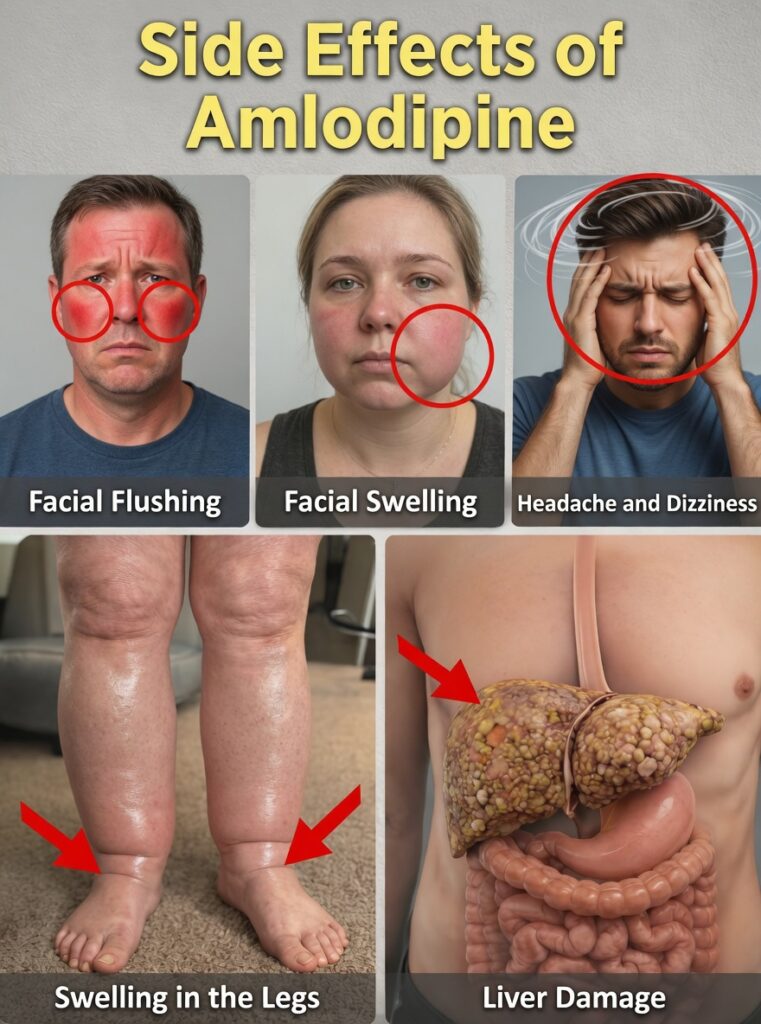
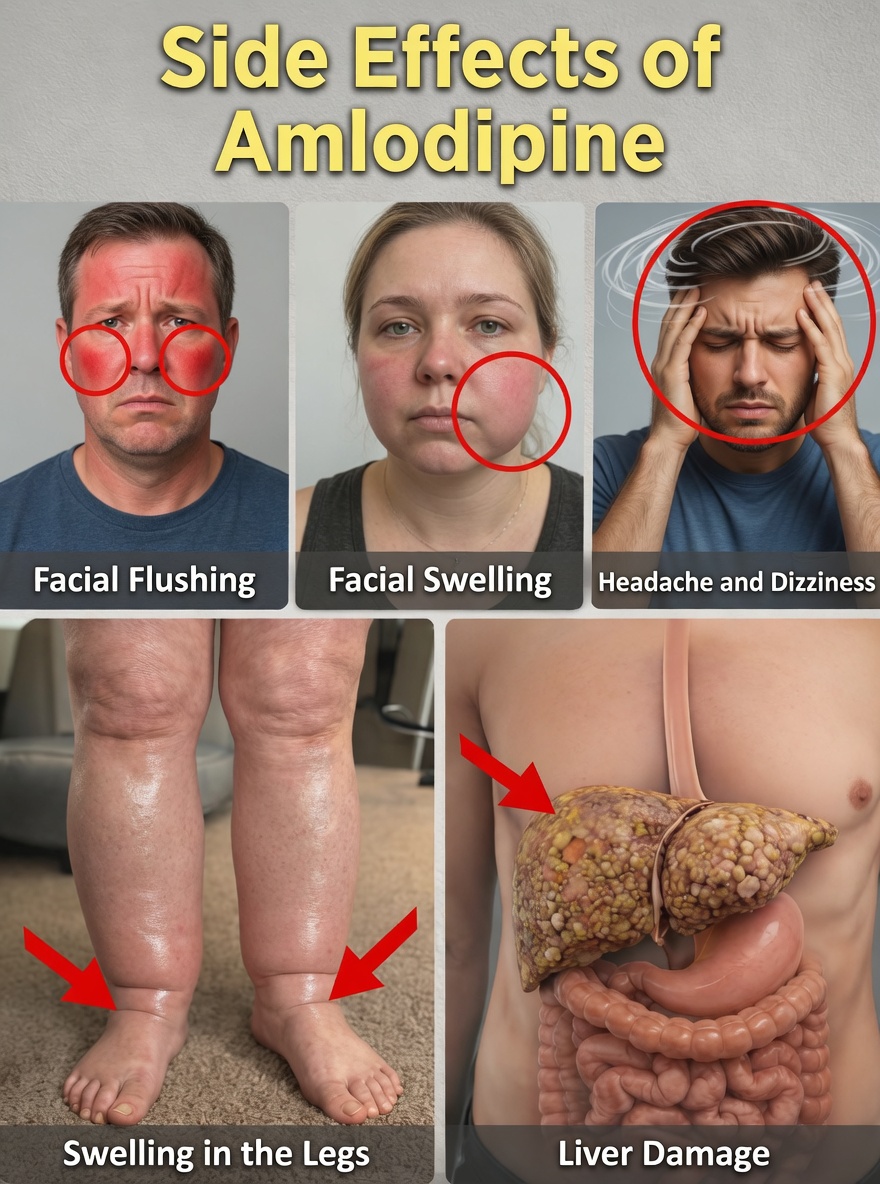
1. Swollen ankles and feet (edema)
This is one of the most reported effects. Fluid tends to collect in the lower legs, often worsening later in the day.
- Try raising your legs for 20–30 minutes
- Stay gently active (short walks can help circulation)
2. Facial flushing and warmth
A sudden feeling of heat or redness in the face or neck can occur due to widened blood vessels.
- Limit alcohol
- Reduce caffeine
- Avoid spicy foods if they trigger flushing
3. Headache
Headaches are especially common when starting treatment.
- Drink enough water
- Prioritize sleep and rest
- For many people, this improves within 1–2 weeks
4. Dizziness
You may feel lightheaded, particularly when standing up quickly.
- Stand up slowly
- Pause for a moment before walking after getting up
5. Fatigue (tiredness)
Low energy can appear while your body adapts to the medication.
- Choose light exercise (walking, gentle stretching)
- Focus on balanced meals to support energy levels
6. Facial swelling
This happens less often, but some people notice puffiness.
- Reduce salt (sodium), which can worsen fluid retention
7. Palpitations
Some people feel a fast, pounding, or irregular heartbeat.
- Often it isn’t dangerous, but it’s important to monitor and mention it to your clinician
8. Nausea
Mild stomach discomfort may occur.
- Taking amlodipine with food can be easier on the stomach
9. Gum changes
Swollen, tender, or overgrown gums can develop in some cases.
- Maintain strong oral hygiene
- Schedule regular dental checkups
10. Muscle cramps
Leg cramps or muscle tightness can happen.
- Support your body with hydration
- Use gentle stretching, especially for calves and feet
11. Skin rash or irritation
Itching or mild rash may appear.
- Use fragrance-free moisturizers
- Avoid harsh soaps if your skin is sensitive
12. Other less common effects
Some people experience digestive changes, and in rare cases, liver-related issues that require medical evaluation.
- Contact a healthcare professional if you notice unusual symptoms that persist or worsen
Practical Daily Tips to Feel Better on Amlodipine
- Track symptoms: write down what you feel each day
- Cut back on salt/sodium
- Stay hydrated
- Avoid sudden posture changes (sitting to standing too quickly)
- Ask your clinician about the best time of day to take your dose
What If the Side Effects Don’t Improve?
If symptoms don’t ease—or they interfere with your daily life—talk to your doctor. Often, simple adjustments such as:
- changing the dose
- switching the time you take it
- combining with another medication
can make treatment much more comfortable.
What to Expect: How Common Are These Effects?
- Very common: swelling (edema), headache, dizziness
- Common: fatigue, nausea, palpitations
- Less common: gum, skin, or digestive changes
What Many People Wish They Knew Earlier
Most amlodipine side effects appear early in treatment and often improve as your body adjusts. Consistent, small lifestyle steps can significantly improve comfort while you continue protecting your heart.
Conclusion
Taking amlodipine doesn’t have to mean feeling unwell. By noticing your body’s signals and making a few practical changes, many people can continue treatment safely and comfortably. Keep an open line of communication with your healthcare professional so you can find the approach that works best for you.
Frequently Asked Questions
How long do amlodipine side effects last?
Many mild effects improve within 1–2 weeks, especially early headaches or dizziness.
Can I stop taking amlodipine?
Not without medical guidance. Stopping suddenly can be risky—always consult your prescriber first.
How can I reduce swelling from amlodipine?
Helpful strategies include:
- elevating your legs
- lowering salt intake
- staying physically active
- following your clinician’s recommendations
Medical disclaimer: This article is for informational purposes only and does not replace medical advice. Always consult a qualified healthcare professional before making changes to your medication or treatment plan.