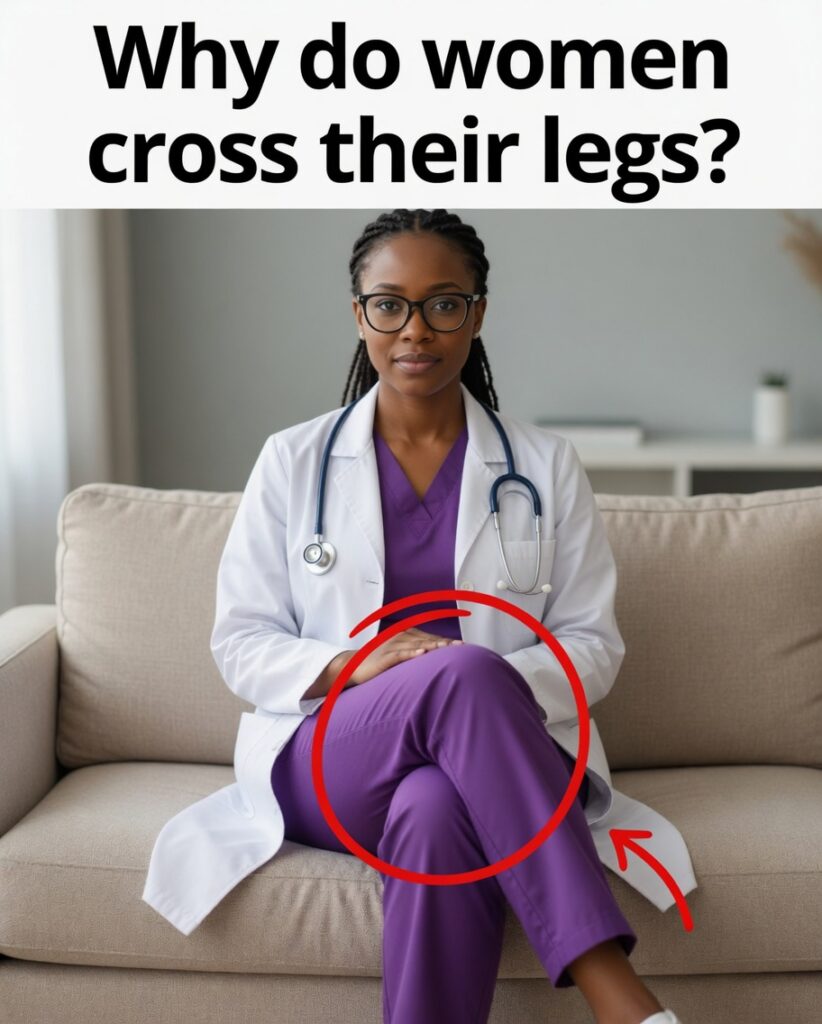
Sit Better, Feel Better: Why Many Women Cross Their Legs (and What It Really Means)
Want to reduce aches, improve posture, and look more confident? It often starts with something simple: how you sit.
Have you noticed how many women cross their legs almost automatically, without even thinking? It feels natural, so most people rarely stop to ask where the habit comes from. Over time, though, it can lead to hip or lower-back discomfort—and it also raises an interesting question: what does this posture communicate? Research in both science and psychology offers clear insights, and understanding them can change the way you sit and express yourself.
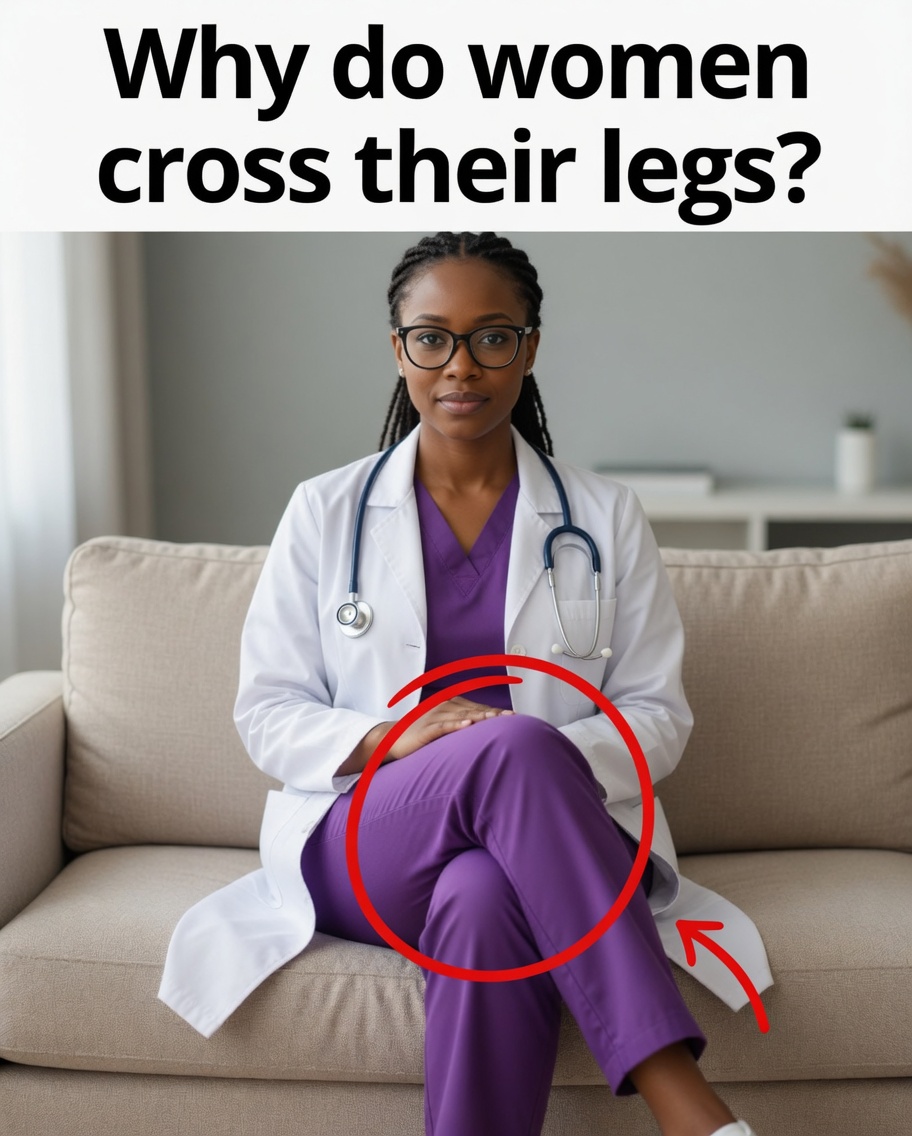
Historical and Cultural Roots: Why the Habit Became “Normal”
Crossing the legs isn’t random behavior. For centuries, women were taught to sit in a way that was considered polished, modest, and “proper.” Long dresses often required crossing the ankles to avoid unwanted exposure. As fashion changed, crossing at the knees gradually served a similar purpose.
This posture was also shaped by social expectations. Phrases like “sit like a lady” were repeated from childhood, turning a learned behavior into an automatic reflex. Even today—whether wearing trousers, casual outfits, or comfortable clothes—many women keep the habit because it still feels correct, familiar, and socially acceptable.
What Psychology Suggests About Crossed Legs
From a psychological perspective, crossing the legs can act as a subtle protective barrier, especially in unfamiliar settings. But studies and observations highlight something important: many women also cross their legs when they feel calm, comfortable, and at ease—not only when they are nervous.
Direction matters, too:
- Crossing toward someone can suggest interest, attention, or connection.
- Crossing away from someone may signal distraction or lower engagement.
How high you cross your legs can change the message:
- Crossed ankles often appear more neutral and relaxed.
- Crossed knees can look more formal or deliberate, depending on context.
At its core, this posture is usually a mix of social conditioning and the desire for emotional comfort.
Why Women Do It More Than Men
There’s also a physical explanation. The female pelvis and hip structure often brings the knees closer together when sitting. For many women, crossing the legs can feel more stable and balanced. Clothing choices can reinforce it as well—tight skirts, fitted outfits, and high heels may make leg-crossing feel like the easiest position.
When you add social norms that subtly encourage women to take up less space, the habit becomes even more common.
Health Effects: Is Crossing Your Legs Bad for You?
For most people, crossing your legs occasionally is not harmful. It can even help relieve short-term fatigue. However, staying crossed for long periods—especially always on the same side—may contribute to minor imbalances, such as:
- hip tightness
- uneven muscle tension
- slight postural shifts
- lower-back discomfort over time
The key is variation: switch sides, uncross regularly, and place both feet on the floor whenever possible to keep your body more balanced.
Simple Tips to Improve Posture and Confidence While Sitting
- Notice which leg you cross first and switch sides regularly
- In formal or professional situations, keep both feet on the floor to project confidence
- If you want to show interest in someone, angle your crossed legs toward them
- Stand up and stretch every hour
- Try crossing only at the ankles for a lighter, more relaxed posture
Conclusion
Crossing your legs is far more than a casual habit. It’s a fascinating blend of culture, biology, and psychology that has shaped women’s body language for generations. Sometimes it offers comfort; other times it communicates feelings without a single word.
Next time you cross your legs, pause and notice it. This small movement is part of your nonverbal communication—and now you can use it more consciously.
FAQ
Why do women cross their legs more than men?
Because of a combination of body structure and social conditioning learned over time.
Is it bad for your health?
Not usually—unless you stay in the same crossed position for long periods without changing.
What does it mean to cross your legs toward someone?
It often suggests interest and engagement, although the full meaning always depends on the situation and the person.
Disclaimer: This content is for informational purposes only and does not replace professional medical or psychological advice. If you have health concerns, consult a qualified specialist.