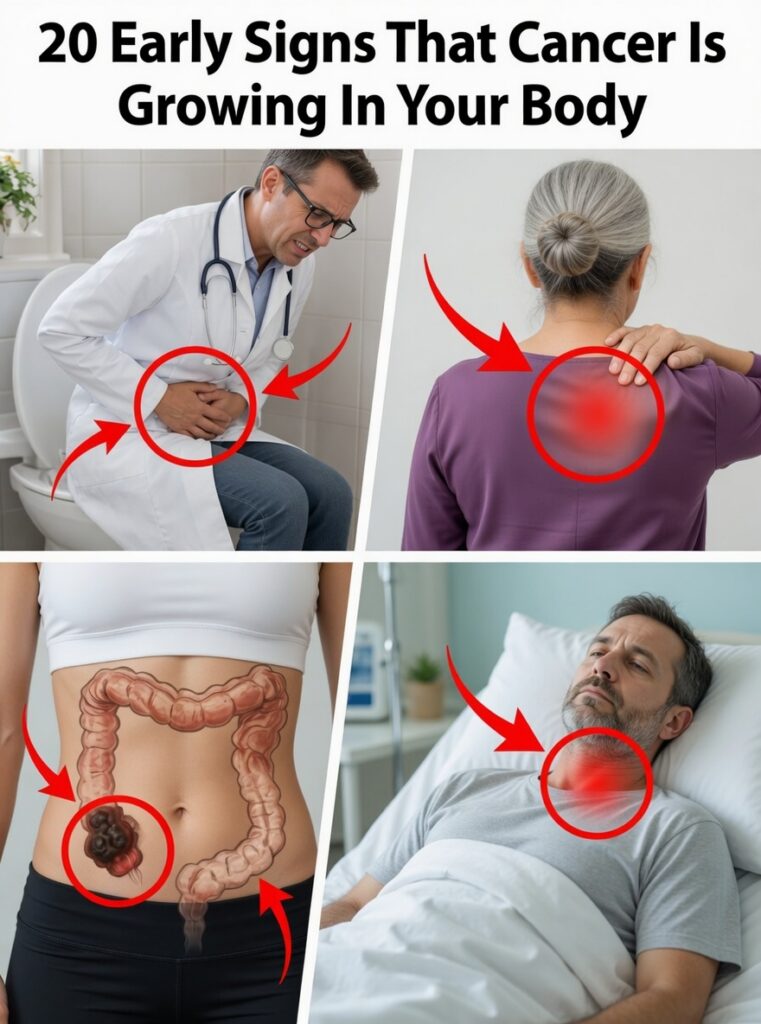
These Small Symptoms Could Be a Life-Saving Warning — Learn How to Spot Them Early
In the rush of everyday life, it’s easy to dismiss small changes in your body and blame them on stress, aging, or lack of sleep. But what if those subtle signs are actually your body’s early warning system?
Many cancers can begin with mild, almost unnoticeable symptoms that are easy to overlook until the disease progresses. The good news: paying attention early can help you act sooner—when treatment options and outcomes are often better.
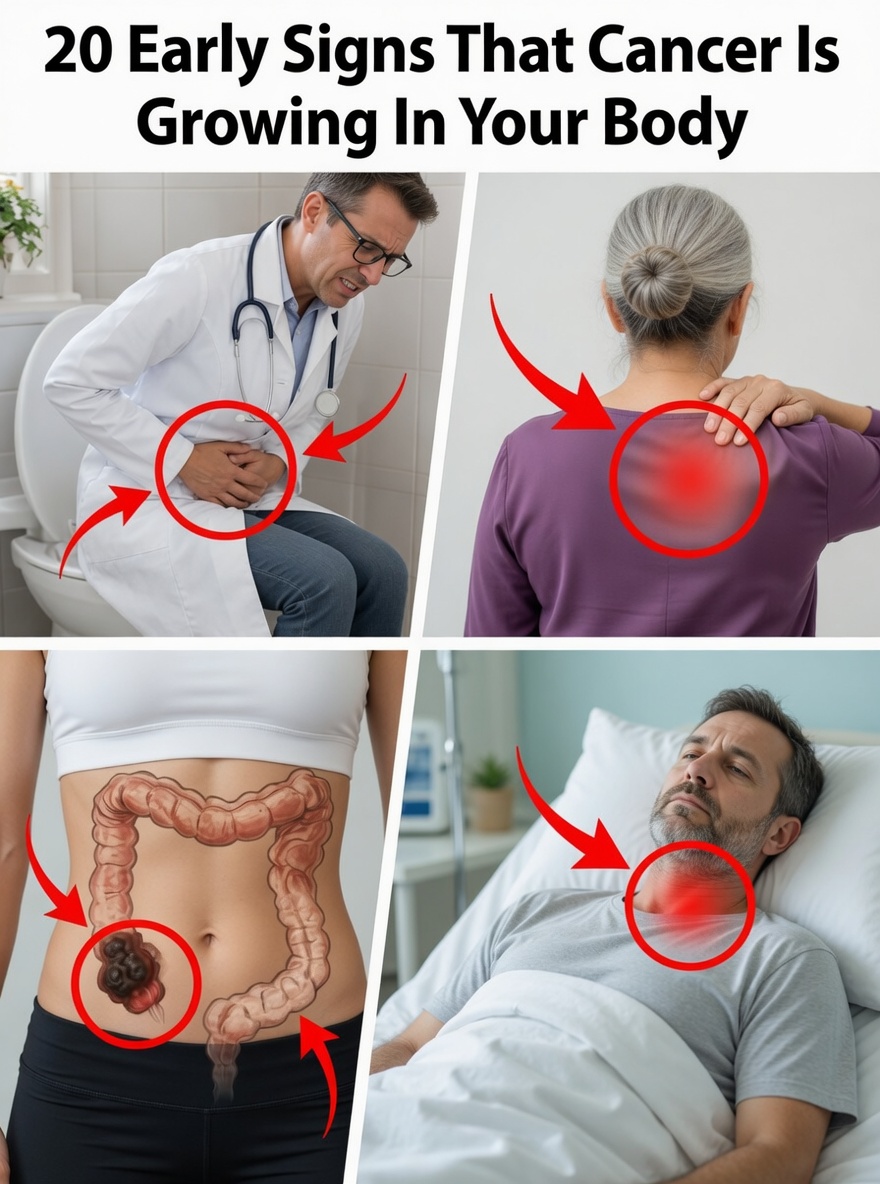
Why Early Symptoms Are Often Missed
Most people juggle busy schedules and constant responsibilities. When something feels “off,” it’s common to blame a few bad nights, poor diet, or even weather changes. However, your body can signal that something isn’t right long before severe symptoms appear.
The challenge is that early cancer symptoms often look like common, everyday issues—so they’re easy to ignore.
The key takeaway is simple: the earlier you notice changes, the sooner you can respond. Self-awareness and basic health knowledge are powerful tools.
20 Subtle Symptoms That Deserve Attention
These signs don’t always mean something serious. But if they persist, have no clear cause, or keep returning, it’s important to get them checked.
Common subtle symptoms
- Unexplained weight loss
- Ongoing fatigue, even after rest
- Persistent pain with no clear reason
- Changes in skin appearance or moles
- Difficulty swallowing
- Changes in bowel habits or urination
- A cough or hoarseness that doesn’t go away
- Unusual spots, rashes, or skin irritation
- Unexplained bleeding
- Swollen lymph nodes or lumps that persist
Other possible early warning signs
- Heavy night sweats
- New or unusual lumps anywhere on the body
- Changes in appetite or taste
- Frequent infections or a fever that doesn’t resolve
- Shortness of breath without significant effort
- Ongoing nausea with no clear trigger
- Abdominal or back discomfort that persists
- Constant heartburn or indigestion
- A feeling of incomplete bowel movements
- Unexplained emotional changes (such as unusual irritability or low mood)
Important Warning Patterns to Take Seriously
A single symptom may be minor. But certain combinations—especially if they last—should prompt a medical evaluation:
- Unexplained weight loss + constant fatigue
- Night sweats + swollen lymph nodes or fever
- Skin changes + unexplained bleeding
- Digestive problems lasting longer than two weeks
These patterns do not confirm cancer, but they can be a sign that it’s time to investigate rather than wait.
What You Can Do Today
Protecting your health often starts with simple daily habits:
- Pay attention to your body and how you feel
- Write down symptoms, including when they started and how often they occur
- Schedule regular health check-ups
- Maintain healthy, natural routines (vegetable-rich meals, adequate sleep, light physical activity)
- Seek professional medical advice if symptoms persist or worsen
Natural approaches—such as calming teas, anti-inflammatory foods, and stress reduction—can support overall well-being. However, they should never replace medical assessment when something doesn’t improve.
What This Means for You
Noticing body changes doesn’t mean living in fear—it means living with awareness. Your body communicates constantly. Learning to recognize unusual signals can help you take action earlier and care for yourself more effectively.
Frequently Asked Questions
Do these symptoms mean I have cancer?
Not necessarily. Many of these symptoms are caused by common, treatable conditions. They still deserve attention if they don’t go away.
How can I reduce the risk of serious health problems?
Focus on a balanced lifestyle: whole foods, regular movement, quality sleep, and avoiding harmful habits.
When should I see a doctor?
If any symptom lasts longer than two weeks, gets worse, or appears along with other warning signs, it’s time to seek medical evaluation.
This content is for informational purposes only and does not replace professional medical advice. Always consult a qualified healthcare provider for individual guidance.