
Drink Ginger Every Day? How It Can Support Digestion — and When It Might Do More Harm Than Good
You brew a warm ginger tea or grate a little fresh root into meals believing it’s helping your digestion and overall wellness. And in many cases, it does. Ginger has become a go-to ingredient in kitchens around the world thanks to its bold flavor and reputation for supporting gut comfort.
The key is that ginger isn’t automatically harmless for everyone. In certain situations, daily use—or high amounts—can be a poor fit.
The good news: once you know when to limit ginger (or skip it), you can enjoy its benefits more safely. Keep reading to learn how to use this root wisely in everyday life.
Why Ginger Is Often Called a “Superfood”
Ginger (Zingiber officinale) contains active compounds such as gingerol and shogaol, which contribute to its spicy taste and are associated with potential antioxidant and digestive effects. For most healthy adults, ginger is typically well tolerated when used in moderation—commonly cited as up to about 4 grams per day.
That’s why many people add it to:
- Teas and warm infusions
- Smoothies and juices
- Soups, broths, and stir-fries
- Daily recipes as a seasoning
Still, bodies respond differently, and “natural” doesn’t always mean risk-free.
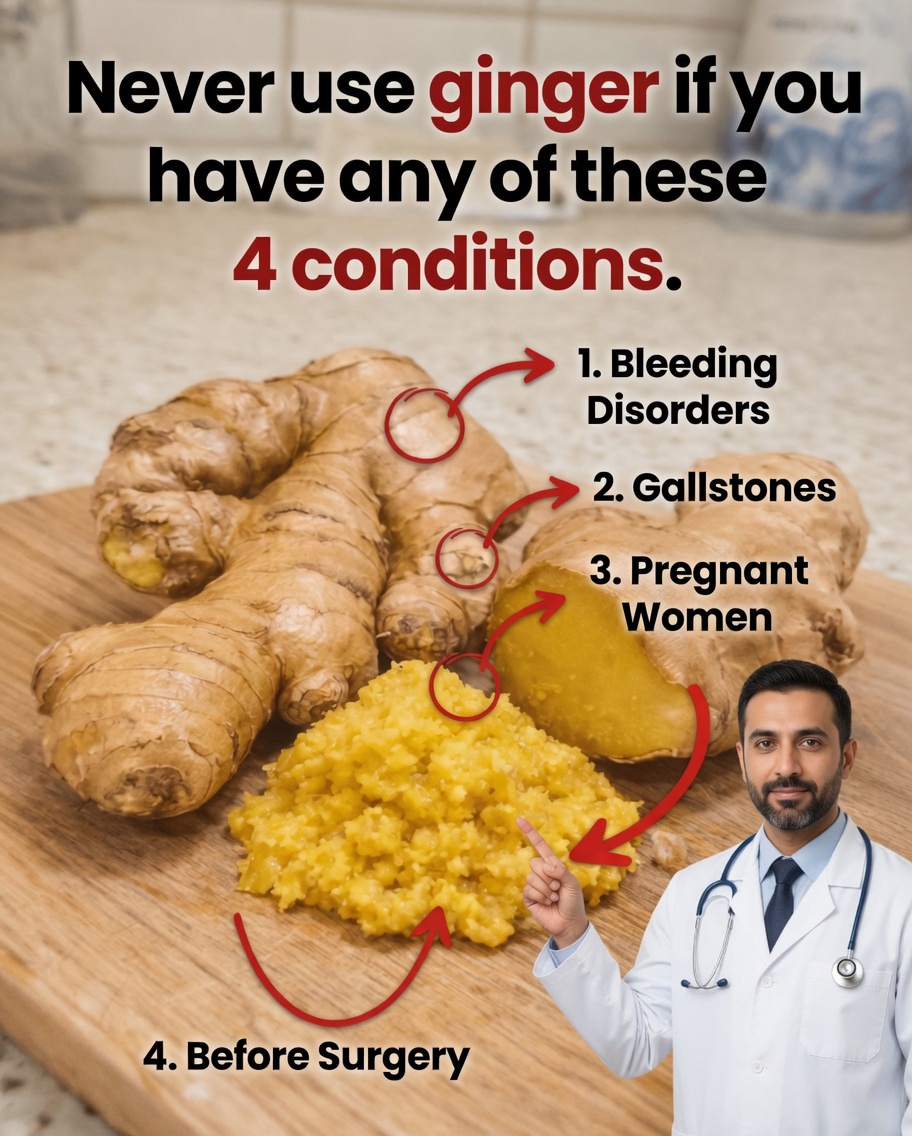
4 Situations Where Ginger May Not Be the Best Choice
For most people, culinary ginger is safe. However, the following conditions call for extra caution.
1. Bleeding disorders or use of blood thinners
Ginger may have a mild effect on blood clotting. If you bruise easily, have a bleeding tendency, or take medications such as warfarin or aspirin, high intake could increase the likelihood of bruising or bleeding.
2. Gallbladder issues (including gallstones)
Ginger can stimulate bile flow. For individuals with a history of gallstones or gallbladder disease, that stimulation may trigger discomfort or complications. It’s best to ask a healthcare professional before using it regularly.
3. Low blood pressure or blood pressure medications
Because ginger may support circulation, it can also lower blood pressure in some people. If your blood pressure is already low—or you’re taking antihypertensive medication—this could lead to symptoms such as dizziness, lightheadedness, or weakness.
4. Pregnancy (especially at high doses)
Small amounts of ginger in food are often considered safe during pregnancy. However, large doses, especially close to delivery, should be discussed with a doctor due to a potential increased risk of bleeding.
What Do Clinicians Commonly Recommend?
In general medical guidance, ginger is considered low risk when used as a culinary spice. Concerns are more likely with:
- Concentrated supplements
- Frequent high intake (often noted as above 4–6 grams per day)
A practical rule: start small, pay attention to how you feel, and avoid using “natural remedies” as a replacement for medical treatment.
How to Use Ginger Safely (Practical Tips)
If ginger is part of your routine, these habits can reduce the chance of unwanted effects:
- Start with small amounts (around up to 1 g/day at first)
- Prefer using it in food and drinks instead of high-dose supplements
- Take it with meals to be gentler on the stomach
- Watch for signs like heartburn, dizziness, unusual bruising, or stomach irritation
- Speak with a healthcare professional if you have a medical condition or take daily medications
A simple, balanced option is a mild ginger drink with lemon or honey, keeping portions modest.
Gentle Natural Alternatives to Ginger
If you need to avoid ginger, you can try other digestion-friendly options that are often well tolerated:
- Peppermint or chamomile tea
- Fennel seeds after meals
- Warm water with lemon and turmeric
- Light broths or miso soup
These choices may also support digestion without the same cautions associated with ginger for certain people.
Conclusion
Ginger remains a versatile, valuable ingredient—and for most people, it can be enjoyed safely in moderate amounts. The most important step is to respect your body’s signals and consider your personal health situation.
With the right information, you can benefit from nature’s options with more balance and confidence.
FAQ
Can I drink ginger tea if I take daily medication?
It depends on the medication. Ask your doctor or pharmacist, especially if you use blood thinners, blood pressure drugs, or medications with bleeding-risk warnings.
What is a safe amount of ginger?
For healthy adults, about 4 g per day is commonly considered a moderate intake. Lower amounts may be better when starting out.
What if I feel discomfort after consuming ginger?
Reduce the amount or stop temporarily and monitor symptoms. If discomfort continues, seek medical advice.
Is powdered ginger different from fresh ginger?
They contain similar active compounds, but concentrations may vary, so the effective “dose” can feel different depending on the form and quantity used.
Disclaimer: This content is for informational purposes only and does not replace medical advice. Always consult a qualified healthcare professional before changing your diet, especially if you have medical conditions or use medications.