Natural Eye Comfort Starts in Your Kitchen
Hours in front of screens, dry indoor air, and the normal aging process can leave eyes feeling tired, dry, or strained. Tasks like reading, driving, or spending time outdoors may start to feel more draining than they should. While good eye care involves many habits, adding nutrient-dense foods like citrus can be a gentle way to support overall eye wellness — and this simple homemade lemon preparation makes the most of the peel, too.
Imagine a small jar on your countertop becoming part of your daily ritual for eye comfort and general health. Below, you’ll learn what this preserved lemon remedy is, how it may help those interested in natural eye support, and how to prepare it safely at home.
Why Lemons Naturally Support Eye Health
Lemons are widely known for their impressive vitamin C content — a key antioxidant that plays a role in supporting healthy eyes. Research, including findings from the Age-Related Eye Disease Study (AREDS), suggests that diets rich in vitamin C may help lower the risk of certain age-related eye changes, such as cataracts.
The peel of the lemon is especially noteworthy. It contains:
- Flavonoids
- Polyphenols
- Other phytochemicals with antioxidant activity
Early laboratory studies have begun to look at lemon peel extracts for their potential to help shield retinal cells from oxidative stress, one of the factors that can affect eye tissues over time.
When lemons are preserved using a traditional method — fermenting them in salt and their own juice — these beneficial compounds become concentrated. The process produces a tangy, flavorful ingredient that can be used in drinks or meals and may be easier to incorporate regularly into your diet.
This approach isn’t about instant fixes; it’s about steady, nourishing support that fits into a balanced lifestyle and broader natural eye care routine.
Key Benefits of This Homemade Preserved Lemon Remedy
Many people include preserved lemons as part of their overall wellness habits, including support for long-term eye health. Here’s why:
- High in Vitamin C – One lemon can provide a substantial portion of your daily vitamin C needs, helping combat oxidative stress that affects sensitive eye tissues.
- Power from the Peel – The rind offers bioflavonoids and plant compounds that may enhance antioxidant defenses.
- Supports Overall Circulation and Comfort – Antioxidants found in citrus can help maintain healthy blood vessels, which are essential for delivering oxygen and nutrients to the eyes.
- Budget-Friendly and Simple – Uses basic ingredients: lemons, salt, and optional spices.
- Easy to Use Every Day – Preserved lemons can be added to water, salads, teas, and more, making daily intake convenient.
Research consistently shows that regularly eating vitamin C-rich foods can contribute to maintaining eye health over time. The real beauty of this remedy lies in how simple it is to make and enjoy.
How to Make Homemade Preserved Lemons (Step-by-Step)
This classic preservation technique is straightforward and requires no special equipment. Follow the steps carefully for safe, delicious results.
Ingredients (for a 1-quart / 1-liter jar)
- 5–6 organic, unwaxed lemons (thoroughly washed)
- ½–¾ cup sea salt or kosher salt (non-iodized)
- Optional flavor add-ins: a few bay leaves, whole peppercorns, or a cinnamon stick
Step-by-Step Instructions
-
Prepare the Lemons
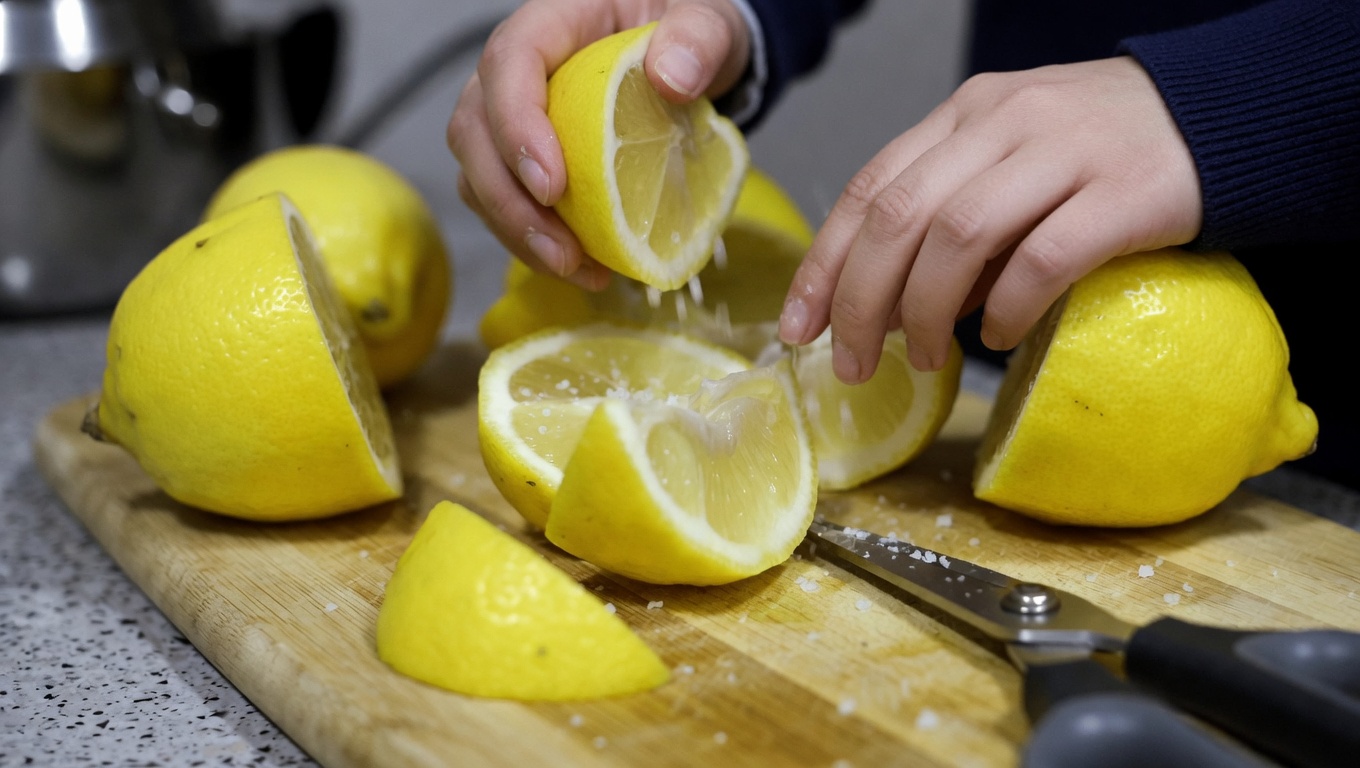
Trim off the stem end of each lemon. Cut each lemon into quarters lengthwise, but stop before cutting all the way through, so the lemon opens like a flower while remaining attached at the base. -
Salt the Lemons Generously
Sprinkle 1–2 tablespoons of salt inside each lemon, working it into the cuts. This helps draw out the juice and encourages fermentation.
-
Pack the Jar
Place one salted lemon at the bottom of your clean jar and press it firmly with a spoon or your hand to release its juice. Continue layering the remaining lemons, pressing each one down so the juice begins to cover them. Tuck optional spices between the lemons as you go. -
Top with Juice and Salt
If the lemons are not fully submerged, squeeze additional fresh lemons and pour the juice over them until completely covered. Sprinkle a bit more salt on top. -
Seal and Ferment
Close the jar tightly and store it at room temperature in a cool, dark place for 3–4 weeks. During the first week, gently shake the jar once a day to redistribute the salt. “Burp” the jar occasionally to release any built-up pressure. -
Refrigerate and Store
After 3–4 weeks, the lemons should be soft and deeply infused with salt and flavor. Transfer the jar to the refrigerator. Properly stored, preserved lemons can last for 6 months or longer.
The finished lemons are tender, tangy, and mellow, with an edible peel that becomes the star ingredient.
Pro tip: Begin with a smaller batch to see how you enjoy the flavor and how it fits into your daily routine.

Everyday Ways to Use Preserved Lemons
Once your lemons are ready, there are many easy, tasty ways to incorporate them into your diet:
- Morning Citrus Water – Finely slice a bit of the peel and add it to warm water for a refreshing, soothing start to the day.
- Salads and Grain Bowls – Chop preserved lemon peel and toss it into salads, quinoa, rice, or couscous dishes for a bright, savory kick.
- Teas and Marinades – Use in herbal teas, dressings, or marinades for fish, chicken, or vegetables to add depth and zest.
People often stick with this habit because it feels both revitalizing and supportive of their general well-being.
The process starts with fresh lemons being carefully cut and packed with salt, and over several weeks of fermentation, they transform into soft, aromatic preserved lemons with concentrated flavor and a more palatable peel.
Safety Tips and Precautions
To enjoy preserved lemons safely:
- Use Clean Tools and Jars – Always work with thoroughly cleaned jars, knives, and utensils to reduce the risk of contamination.
- Check for Spoilage – If you see mold, notice an unpleasant odor, or observe unusual colors, discard the batch.
- Introduce Slowly – Fermented foods can affect digestion, especially if you’re not used to them. Start with small amounts and increase gradually.
- For Internal Use Only – Never apply lemon juice or preserved lemons directly to your eyes. The acidity can cause irritation or injury.
- Consult a Professional if Needed – Speak with your healthcare provider before making major dietary changes, particularly if you have conditions such as acid reflux, citrus allergies, kidney issues, or if you are pregnant.
Conclusion: A Simple Addition to Daily Eye Care
Adding homemade preserved lemons to your meals and drinks is an easy, natural way to boost your intake of vitamin C and beneficial peel compounds that support overall health, including long-term eye wellness. Combined with other healthy habits — like taking regular screen breaks, wearing UV-protective sunglasses, staying hydrated, and eating a balanced diet — this small daily practice can become part of a broader routine for lasting eye comfort.
FAQ
1. How much vitamin C do preserved lemons provide?
The exact vitamin C content depends on factors like the lemons used and fermentation time, but a single preserved lemon can provide a meaningful amount of vitamin C from both the juice and peel, often similar to fresh lemons. It’s best to rely on a variety of vitamin C-rich foods throughout the day for consistent intake.
2. Can anyone make preserved lemons at home?
Yes. The method is beginner-friendly as long as you:
- Use organic, unwaxed lemons.
- Follow the steps carefully.
- Maintain good hygiene with all equipment.
If you’re pregnant, immunocompromised, or have specific medical concerns, consult a healthcare professional before introducing fermented foods.
3. How often should I use this remedy for eye support?
Many people enjoy a small amount daily — for example, a few slices of preserved lemon peel in water, tea, or food. Consistency is more important than using large quantities. For eye health, combine this habit with other nutrient-rich foods, regular eye breaks, and protective measures against UV and blue light.