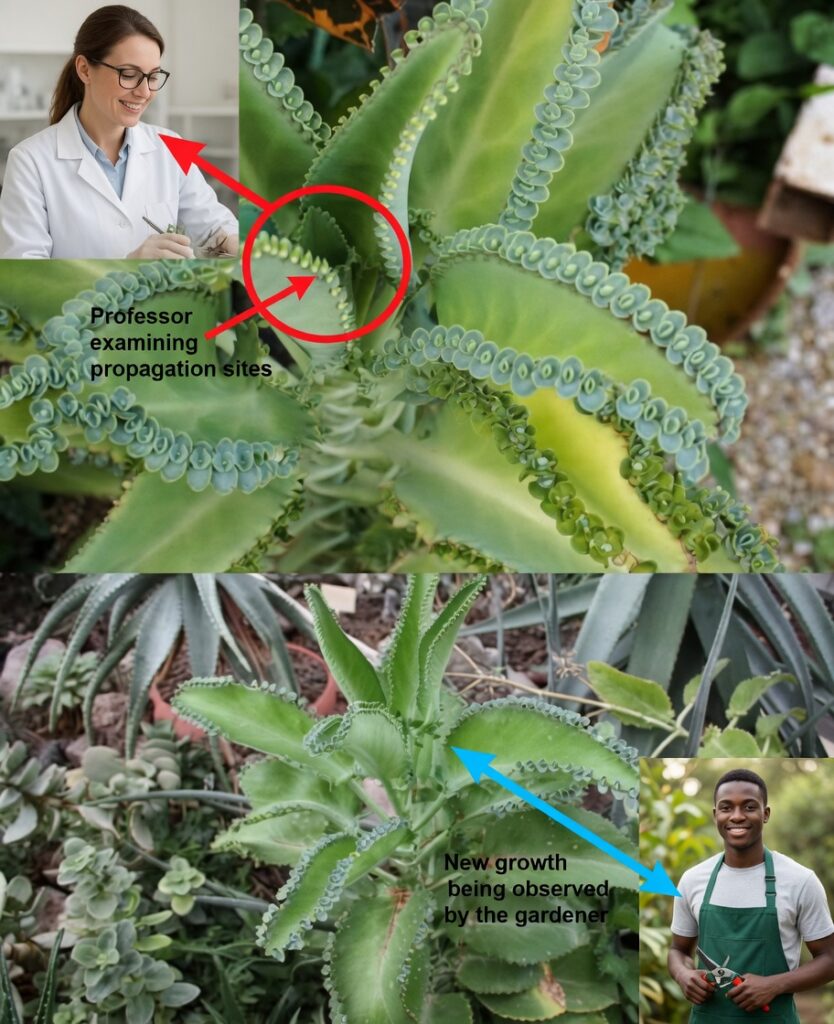
Kalanchoe: A Decorative Houseplant with Traditional Healing Uses
Kalanchoe isn’t only valued for its vibrant blooms and low-maintenance nature. In many traditional medicine systems, it has also been used for generations thanks to its antibacterial, anti-inflammatory, and wound-supporting qualities. Some people also turn to Kalanchoe as a natural option for immune support and respiratory comfort. If you want a plant that looks great on a windowsill and may offer wellness benefits, Kalanchoe is a popular choice.
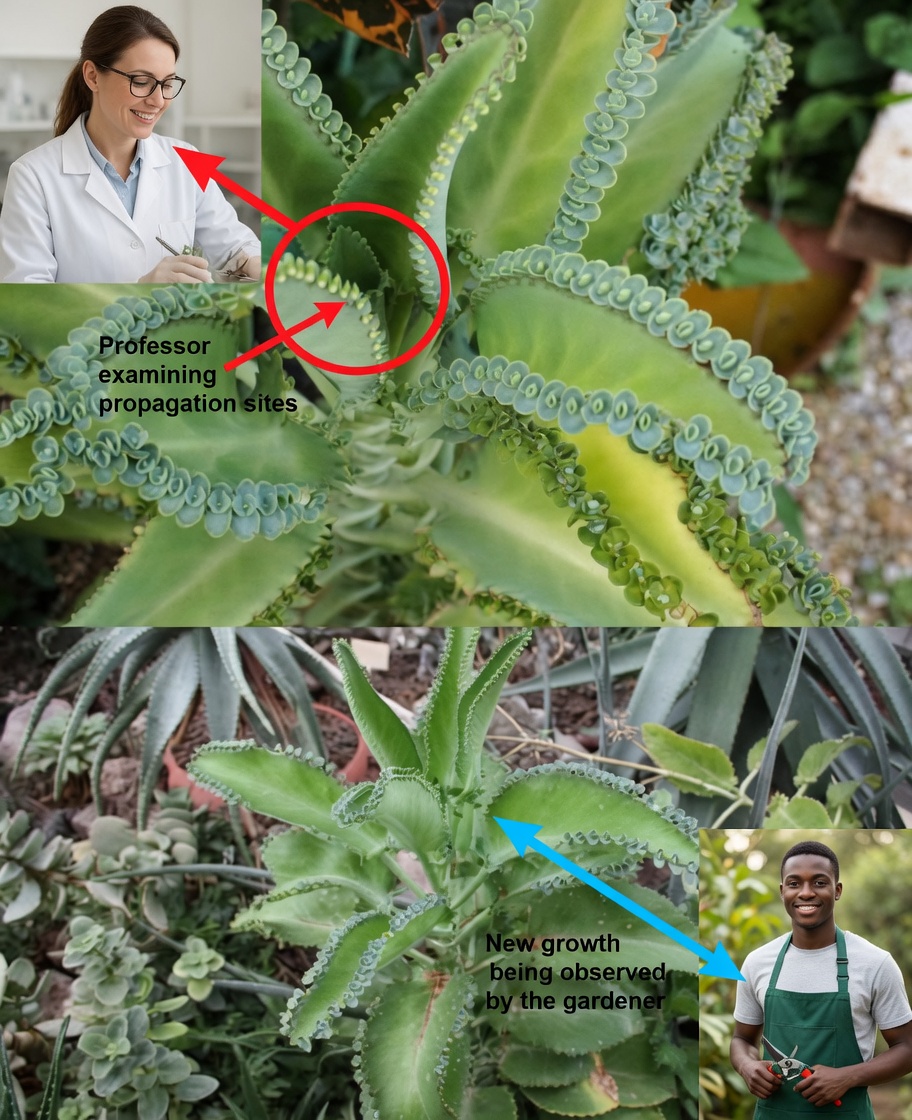
Key Health Benefits of Kalanchoe
- Anti-inflammatory and antibacterial support: Often used in traditional practices to help with minor wounds, burns, and certain skin irritations.
- Immune system support: Commonly included in folk remedies aimed at strengthening the body’s defenses.
- Respiratory relief: Used in herbal traditions for colds, coughs, and bronchitis-like symptoms.
- Digestive comfort: Sometimes used to ease stomach discomfort and support people dealing with ulcer-related issues.
- Potential anti-tumor interest: Early research suggests Kalanchoe compounds may help slow the growth of certain cancer cells, though more study is needed.
- Joint and muscle comfort: Traditionally applied or used to help with arthritis symptoms and muscle inflammation.
- Air-cleaning potential: Like many houseplants, it may help improve indoor air quality by absorbing some pollutants.
How to Care for a Kalanchoe Plant
- Light: Give it bright, indirect sunlight for best growth and flowering.
- Watering: Water only when the soil has dried out—too much water can lead to root rot.
- Soil: Choose a well-draining potting mix (cactus/succulent soil works well).
- Temperature: Kalanchoe prefers warm conditions and should be protected from cold and frost.
- Pruning and deadheading: Remove spent blooms and damaged leaves to encourage fresh growth and more flowers.
Important Safety Note
Although Kalanchoe is associated with many traditional health uses, it should be handled responsibly. Some varieties can be toxic to pets if eaten, so keep it out of reach of cats and dogs. If you plan to use Kalanchoe for medicinal purposes, consult a healthcare professional first.
Do You Grow Kalanchoe at Home?
Do you keep a Kalanchoe plant indoors or in your garden? Share your experience, growing tips, and what’s worked best for you.