Porcelain Toast Racks: A Small Table Accessory with Big History
Think back to quiet Sunday mornings at your grandparents’ house: breakfast felt like an event, toast arrived warm, and sometimes it was even cut into playful shapes. In the middle of the table sat a porcelain toast rack, neatly holding slices upright, with faint steam rising from each piece. It wasn’t just a useful item—it was part of the charm and ritual of unhurried family meals. In many ways, these vintage toast racks preserved more than bread; they carried a sense of tradition through their elegant design.
A Victorian-Era Favorite for Style and Function
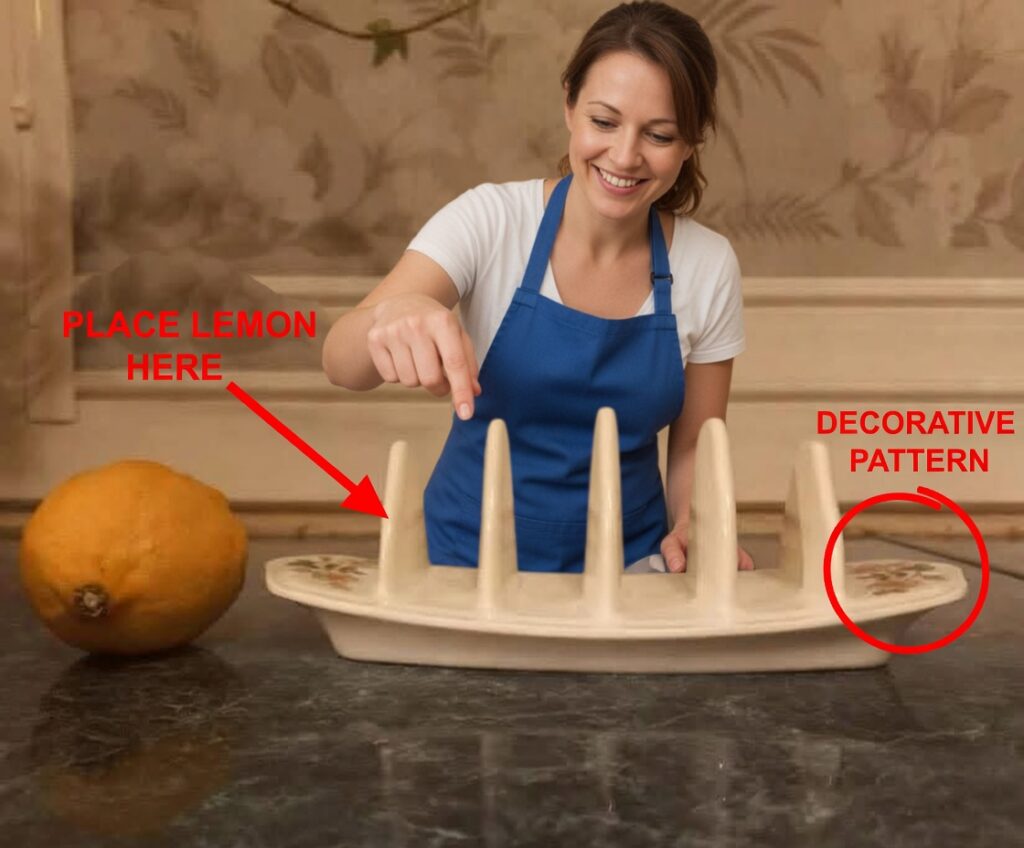
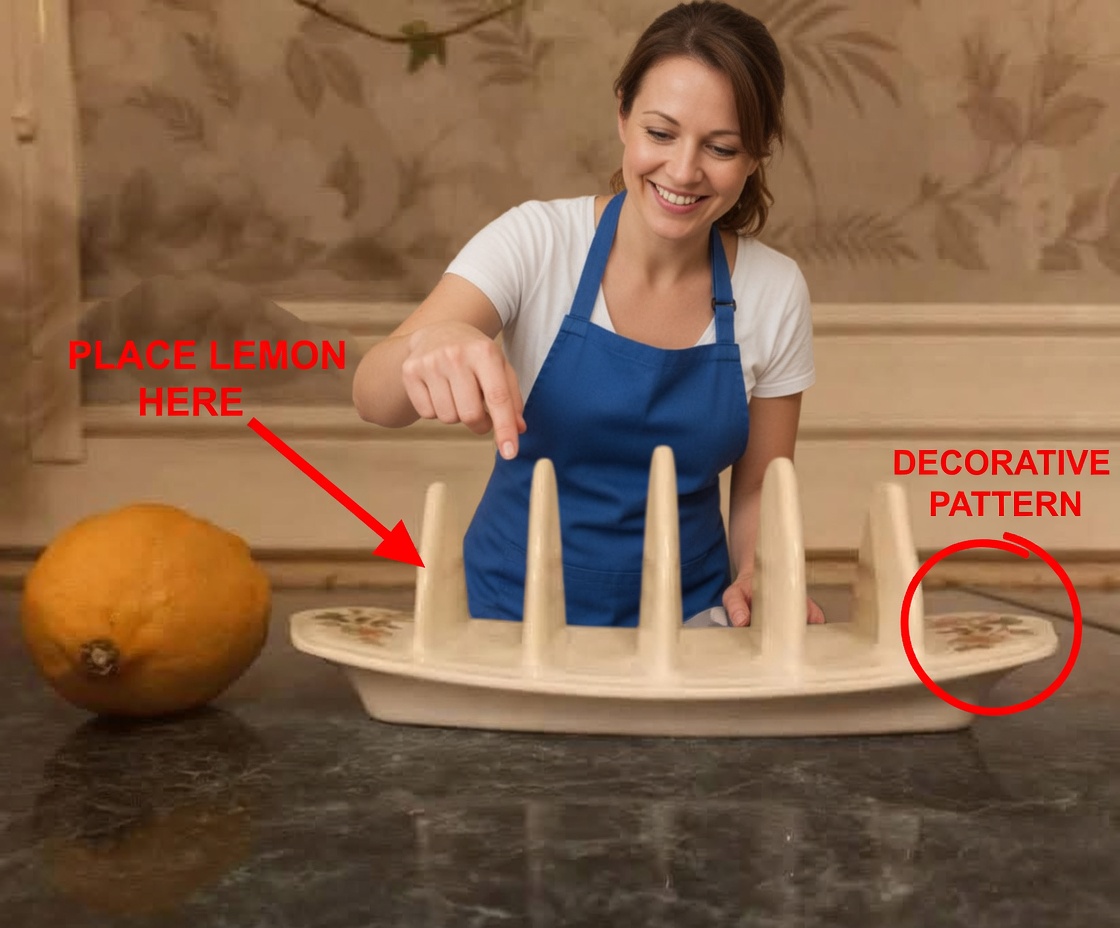
Porcelain toast racks became a familiar sight on dining tables during the Victorian period and the years that followed. Crafted from delicate porcelain, they often doubled as decorative tableware. Many featured hand-painted motifs, intricate patterns, or fine gold accents that caught the light and elevated the breakfast setting.
Their design also solved a practical problem. By keeping toast standing upright, the rack allowed heat and moisture to escape, helping each slice stay crisp rather than turning soft and soggy. This simple function fit perfectly with the era’s love of formal, carefully arranged table settings.
Why Toast Racks Mattered in 19th-Century Dining Culture
In the 19th century, a properly arranged table reflected good manners and social status. Everything had a designated place—including the toast rack. These accessories became popular at a time when a growing middle class embraced dining etiquette as a way to show refinement and distinction.
Because of this, a porcelain toast rack was more than kitchenware. It acted as a quiet statement about a household’s attention to tradition, order, and the “proper” way to host and serve meals.
Collectible Porcelain Toast Racks Today
Today, antique porcelain toast racks are highly valued by collectors and vintage tableware enthusiasts. People often search for them in antique shops and specialty markets, drawn to their craftsmanship, beauty, and connection to the past. Many buyers keep them as display pieces, while others enjoy using them as a nostalgic touch at the breakfast table.
Since porcelain is fragile—and age can make these items even more delicate—collectors typically handle and store them with great care to protect their condition and preserve their historical value.