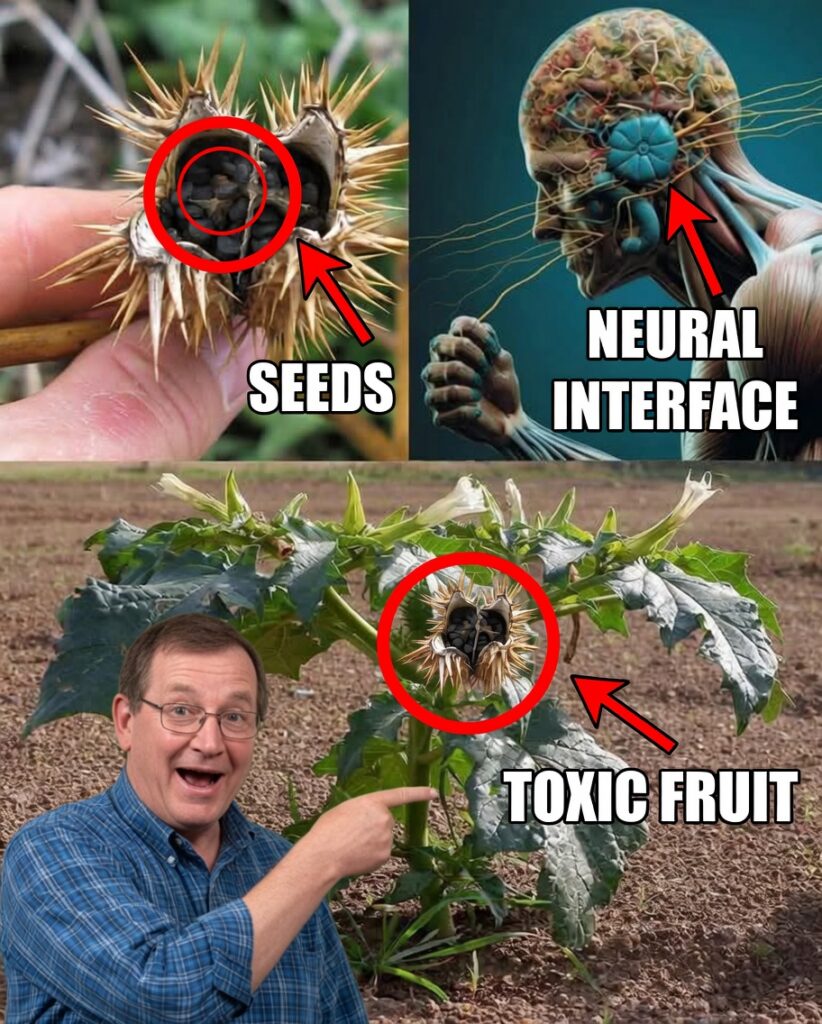
Datura (Devil’s Trumpet / Thorn Apple): A Beautiful Plant With Deadly Risks
The Datura genus, commonly known as Devil’s Trumpet or Thorn Apple, is as visually dramatic as it is dangerous. Its bold, trumpet-shaped blooms and spiny seed pods can look fascinating in gardens and along roadsides—but Datura toxicity poses a serious threat to both people and animals. Understanding the risks is essential, because even small exposures can lead to severe poisoning.
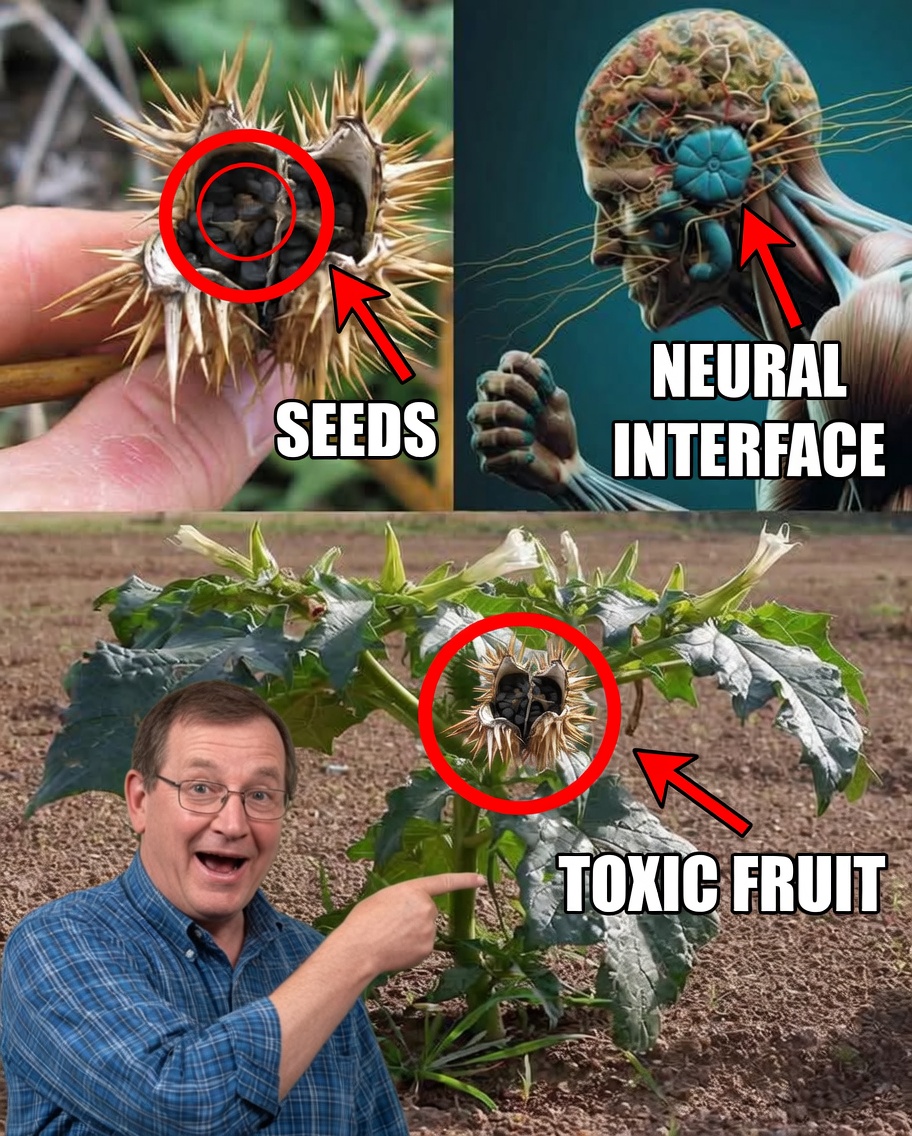
What Is Datura?
Datura is part of the nightshade family (Solanaceae) and is native to the Americas. Over time, it has spread across many regions of the world, often growing in disturbed soil, roadsides, empty lots, and even home gardens. Although some people plant Datura for ornamentation, doing so is risky due to the plant’s extreme poisonous properties.
Datura is typically recognized by:
- Large, funnel or trumpet-shaped flowers (often white, purple, or yellow)
- Spiky, thorn-covered seed pods
- A reputation for being toxic in every part of the plant (leaves, flowers, seeds, stems, and roots)
Common Datura Species
Several species are widely encountered, and all carry significant poisoning hazards.
Datura stramonium (Jimsonweed / Thorn Apple)
This well-known species has white or purple trumpet-like flowers and sharply spined seed pods. It is infamous for its hallucinogenic effects, but even low doses can trigger dangerous and potentially life-threatening poisoning.
Datura metel (Horn of Plenty)
Often cultivated for its ornamental value, Datura metel produces large, showy blooms in shades of white, yellow, and purple. Despite historical use in traditional practices, it contains the same toxic compounds that make other Datura species hazardous.
Datura inoxia (Moonflower)
This plant produces fragrant, white flowers that bloom at night. It is sometimes confused with the non-related and commonly grown moonflower vine, which increases the chance of accidental ingestion. The seeds and flowers are especially rich in toxic alkaloids.
Datura ferox (Long-spined Thorn Apple)
Easily identified by its long, heavily spiked seed pods, this species can contain very high concentrations of poisonous compounds, making it particularly dangerous.
Why Is Datura So Dangerous?
The main threat comes from tropane alkaloids, especially:
- Atropine
- Scopolamine
- Hyoscyamine
These chemicals interfere with the central nervous system and can cause severe, unpredictable reactions. Because potency varies widely between plants—and even between different parts of the same plant—there is no “safe” amount.
Symptoms of Datura Poisoning
Datura poisoning can escalate quickly. Common symptoms include:
- Hallucinations and delirium (often intense, vivid, and frightening)
- Dilated pupils and blurred vision, including light sensitivity
- Dry mouth and difficulty swallowing, classic signs of atropine-like toxicity
- Rapid heart rate and elevated blood pressure, which may develop into serious cardiac complications
- Seizures, coma, and respiratory failure in severe cases, which can be fatal
Why You Should Avoid Datura
Datura is not simply “strong”—it is dangerous at very small doses and risky in everyday environments.
- Potentially lethal in tiny amounts: A few seeds or a small portion of plant material can cause severe poisoning.
- Unpredictable effects: Alkaloid concentration varies, so outcomes are impossible to forecast.
- High risk to pets and livestock: Dogs, cats, horses, cattle, and other animals can be poisoned quickly, and ingestion may be fatal.
How to Stay Safe Around Datura
To reduce the chance of accidental exposure:
- Do not handle Datura: Toxic substances may be absorbed through the skin.
- Keep children and pets away: Bright flowers and unusual seed pods can attract curiosity.
- Use protective gear for removal: If Datura must be removed, wear gloves, long sleeves, and protective clothing.
- Share awareness: Educating others helps prevent accidental contact and ingestion.
Final Thoughts
Datura’s exotic appearance can be tempting to gardeners and passersby, but its beauty comes with real danger. Because every part of the plant is poisonous and the effects can be severe and unpredictable, the safest approach is simple: observe from a distance and do not touch.
Disclaimer: This content is for informational purposes only and does not replace professional medical advice. If you suspect Datura poisoning, seek emergency medical help immediately.