Breast Cancer: Key Facts, Symptoms, Risk Factors, Prevention, and Early Detection
Breast cancer is among the most frequently diagnosed cancers worldwide. It affects millions of people each year—primarily women, but men can develop breast cancer too. Thanks to better screening and modern treatments, survival rates have improved, especially when the disease is found early. Even so, education, prevention, and ongoing awareness remain essential.
This guide explains what breast cancer is, common warning signs, major risk factors, and practical steps you can take to reduce your risk.
What Is Breast Cancer?
Breast cancer develops when cells in breast tissue begin to grow abnormally and multiply out of control. These cells can form a tumor and, without treatment, may spread to other areas of the body.
Common types of breast cancer include:
- Ductal Carcinoma In Situ (DCIS): A non-invasive cancer contained within the milk ducts.
- Invasive Ductal Carcinoma (IDC): The most common form; it begins in the milk ducts and spreads into nearby breast tissue.
- Triple-Negative Breast Cancer (TNBC): A faster-growing type that does not respond to hormone-based therapies.
- Inflammatory Breast Cancer (IBC): A rare but aggressive cancer often linked to redness, swelling, and warmth in the breast.
Early Warning Signs of Breast Cancer
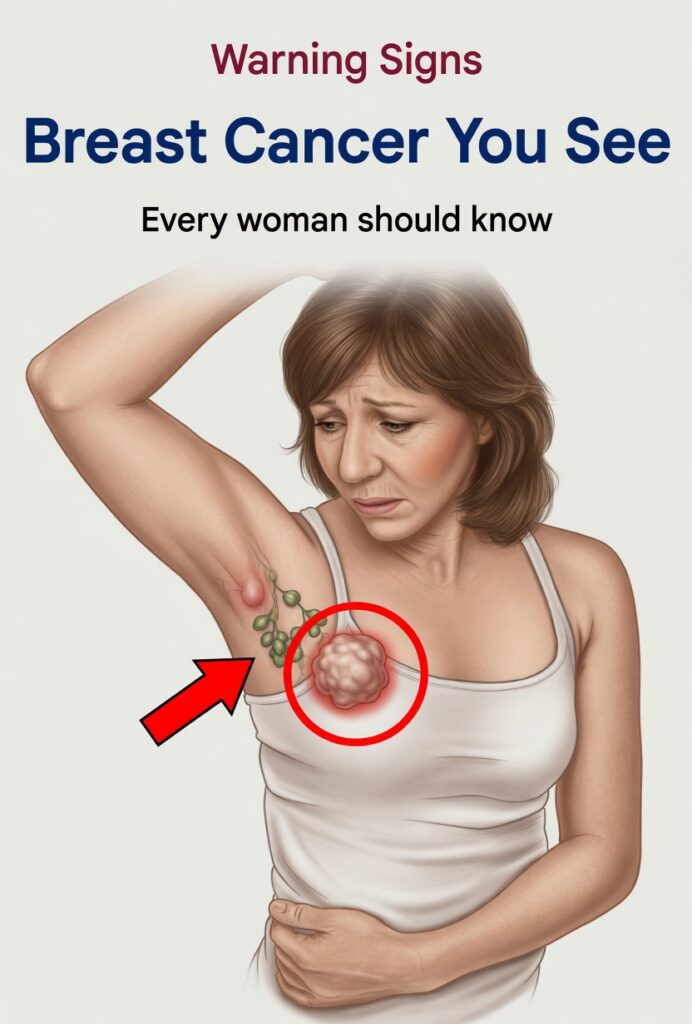
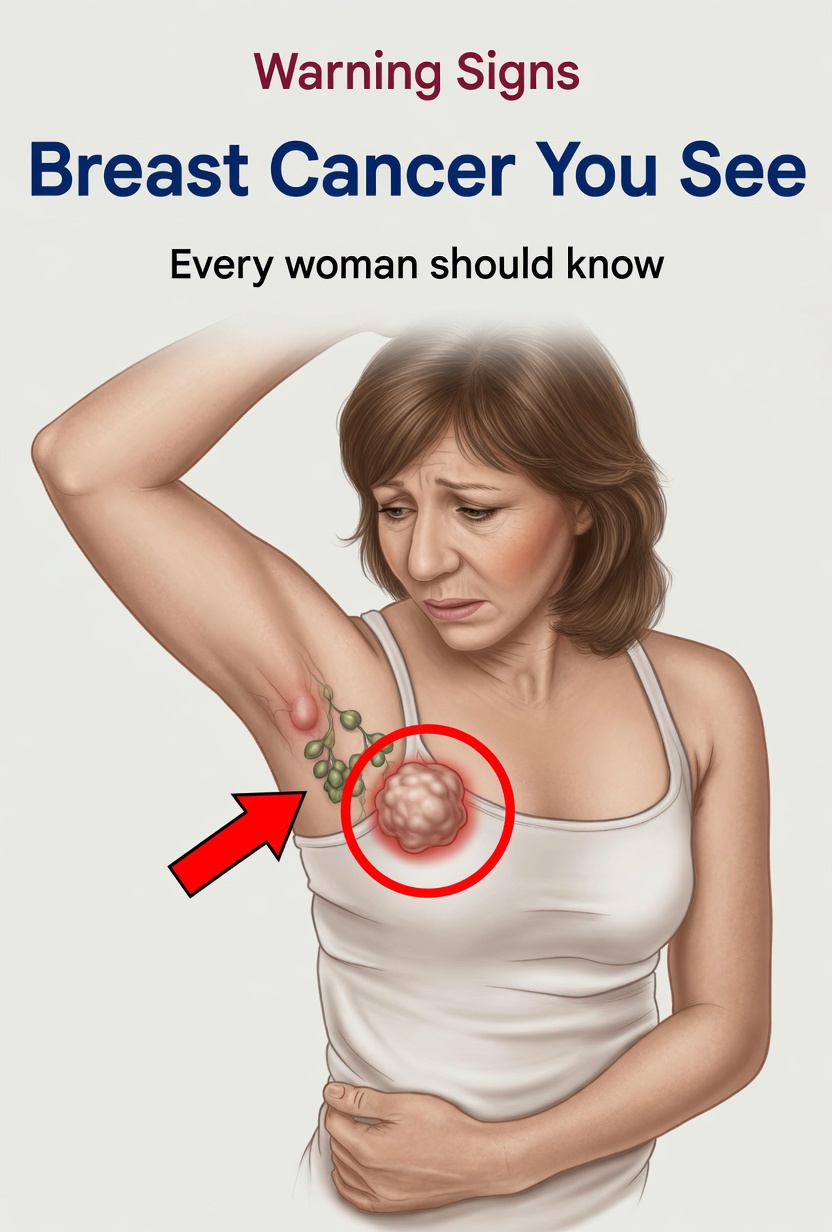
Recognizing breast cancer symptoms early can be life-saving. If you notice any of the following changes, seek medical advice promptly:
- A lump in the breast or under the arm
- Noticeable change in breast size or shape
- Persistent or unexplained breast or nipple pain
- Nipple discharge not related to breastfeeding (including bloody discharge)
- Skin changes such as dimpling, puckering, or thickening
- Redness, swelling, or warmth in the breast
- Inward-turning nipple (nipple retraction)
If something feels unusual or different for you, don’t delay—early evaluation is crucial.
Breast Cancer Risk Factors: Who Is More Likely to Be Affected?
Breast cancer can happen to anyone, but certain factors increase risk. These include both non-modifiable and lifestyle-related risks.
Risk Factors You Can’t Control
- Sex: Women are at higher risk than men.
- Age: Risk rises with age, especially after 50.
- Family history: Having a close relative with breast cancer can increase your risk.
- Genetic mutations: Inherited changes such as BRCA1 and BRCA2 are strongly linked to higher risk.
Lifestyle and Environmental Risk Factors
- Excess weight and poor diet: Higher body fat can increase estrogen levels.
- Alcohol intake: Risk increases with the amount consumed.
- Smoking: Associated with many cancers, including breast cancer.
- Hormone therapy: Long-term use of certain hormone treatments may raise risk.
- Low physical activity: Sedentary routines are linked to a higher cancer risk.
Having risk factors does not mean you will develop breast cancer—but understanding them helps you make informed choices.
How to Lower Your Risk of Breast Cancer
While you can’t change every risk factor, many prevention-focused habits can support long-term breast health:
- Choose a balanced diet: Emphasize fruits, vegetables, and whole foods; limit ultra-processed items.
- Exercise consistently: Aim for about 30 minutes of activity, 5 days a week.
- Limit alcohol: Reduce intake or avoid it when possible.
- Stop smoking: Quitting supports overall health and reduces cancer risk.
- Maintain a healthy weight: Weight management can help regulate hormone levels.
- Breastfeed if possible: Research suggests breastfeeding may reduce risk.
- Use hormone therapy carefully: Discuss benefits and safer options with your healthcare provider.
Early Detection Matters: Mammograms and Breast Self-Exams
Mammograms
Mammograms are a proven screening tool and remain one of the most effective ways to detect breast cancer early.
- Many guidelines recommend mammograms beginning around age 40, typically every 1–2 years.
- If you have a strong family history or known genetic risk, your doctor may advise earlier or more frequent screening.
Monthly Breast Self-Exams
Regular self-checks can help you notice changes between medical visits.
- Look and feel for lumps, thickening, skin changes, or unusual differences.
- A common recommendation is to check about one week after your period, when breast tissue is often less tender or swollen.
If you find a change, schedule a medical appointment—most breast changes are not cancer, but it is always best to confirm.
Final Thoughts: Keep the Conversation Going
Breast cancer impacts individuals, families, and communities around the world. The combination of awareness, healthy lifestyle choices, and early detection can dramatically improve outcomes. Staying informed and proactive is one of the strongest steps you can take for yourself and the people you care about.