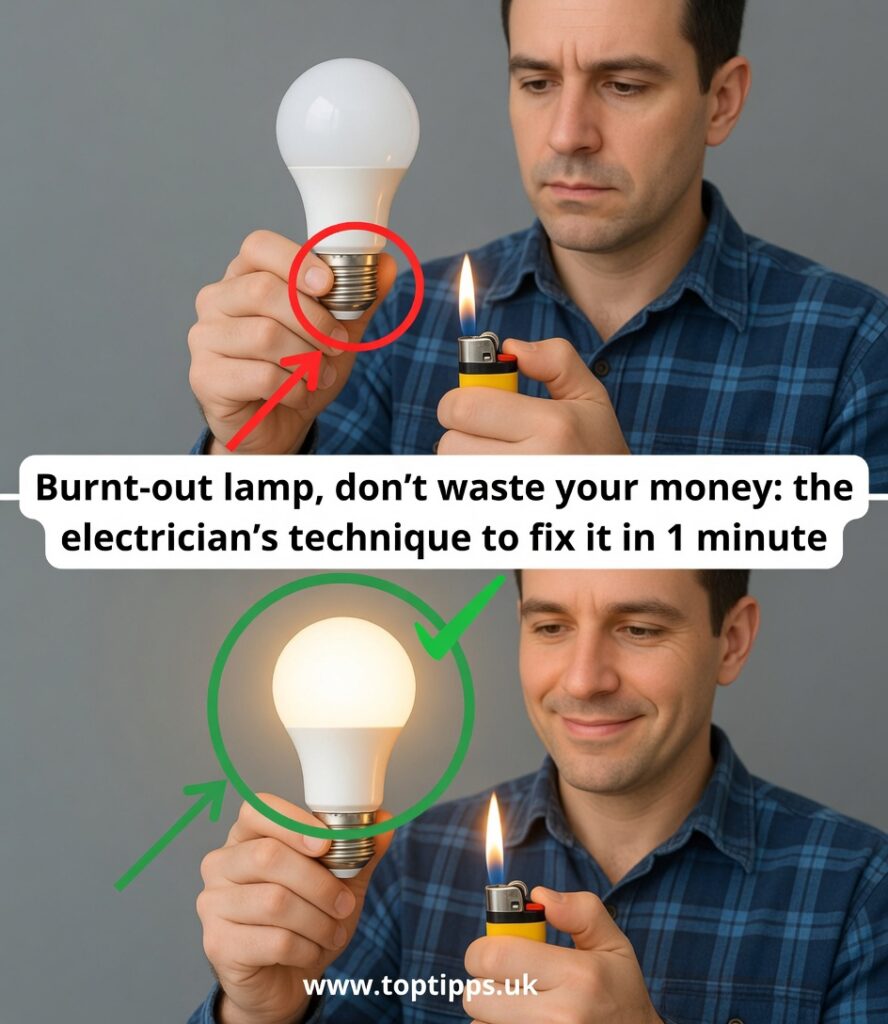
Burnt-Out Light Bulb? A Fast DIY Fix (No Electrician Needed)
Light bulbs can fail more than once in the same home, and it’s a frustratingly common issue. The good news: in some cases, you can get the light working again quickly—often in about a minute—without calling an electrician. That means less time wasted and more money saved.
If you’ve got a bulb that suddenly stopped working, you may be tempted to throw it away immediately. Before you do, it can be worth checking whether a simple repair is possible. This is a basic technique often used by electricians, and it doesn’t require expensive tools.
Why Light Bulbs Burn Out
A bulb can burn out for several reasons, including:
- High household voltage: If the supply voltage is above normal, bulbs may fail more frequently.
- Frequent switching on and off: Constantly toggling the light throughout the day can stress the bulb and shorten its lifespan.
- Loose or poor connections in the socket: If the contact isn’t secure (or wiring is not properly connected), the bulb may stop working.
- Always switch off power before checking any electrical connection.
- Short circuits: Sometimes a bulb fails suddenly because the current doesn’t follow its normal path, creating excessive heat and “friction” in the circuit.
In short, the causes vary. If you can identify the issue and the bulb is suitable for repair, you may be able to restore it quickly.
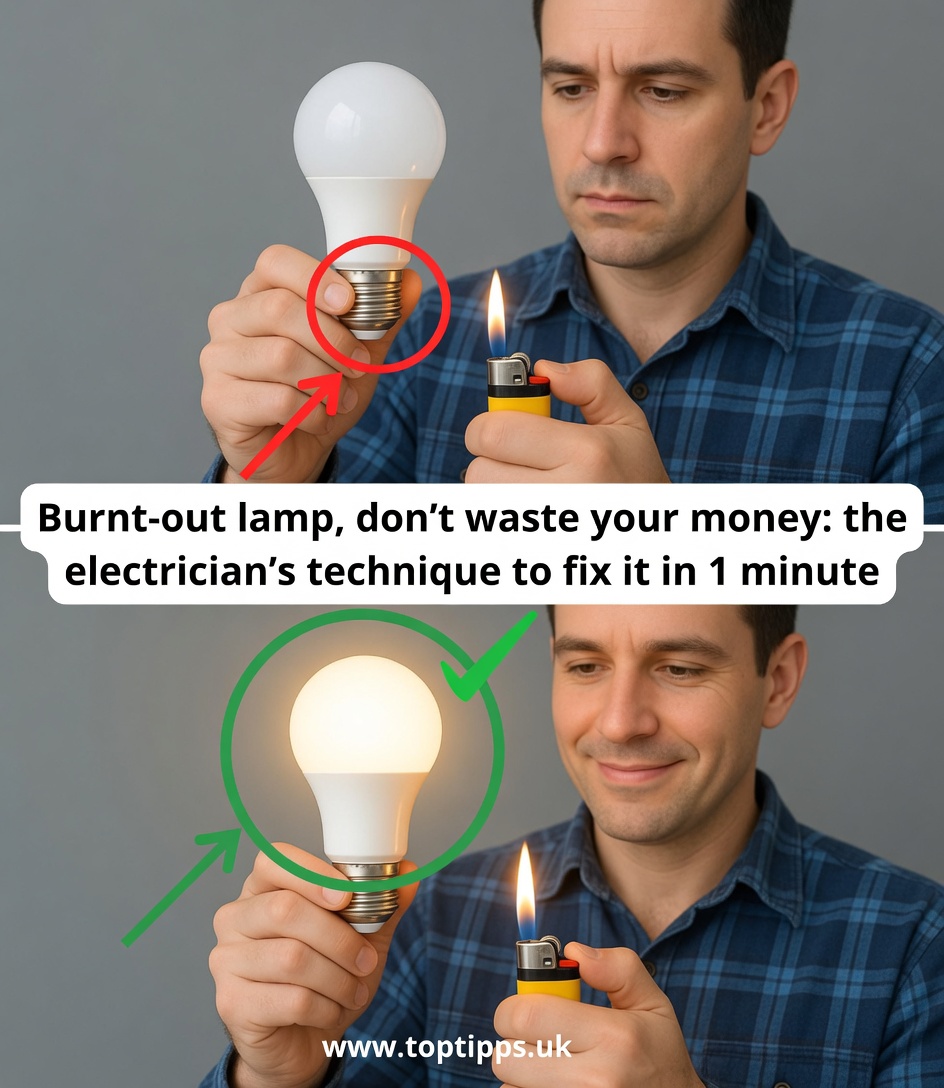
How to Repair a Burnt-Out Bulb: Simple, Quick Steps
To try this quick bulb repair method, you’ll need:
- A small screwdriver
- Insulating tape
- LED wire/string
- Needle-nose pliers
Safety first: Before doing anything, disconnect the bulb from the mains power. Never work on lighting while electricity is on.
Step-by-step procedure
-
Remove the faulty LED bulb
- Use a small screwdriver to carefully take the bulb out of the lamp.
- Avoid touching the glass directly to prevent injury.
-
Pull out the filament
- Using needle-nose pliers, gently remove the filament from the damaged bulb.
-
Replace the LED string
- Insert the new LED wire/string (available at most hardware stores).
-
Secure the connection
- Join the parts firmly and insulate them well using insulating tape.
-
Reinstall and test
- Put the bulb back into the lamp and switch the power on to check if it works.
With these basic steps, you may be able to get the bulb working again in under two minutes.
When to Call an Electrician
DIY fixes can be practical, affordable, and fast. However, if you’re not confident working with electrical components—or if you suspect a socket problem, wiring fault, or repeated short circuit—it’s safer to contact a qualified electrician.