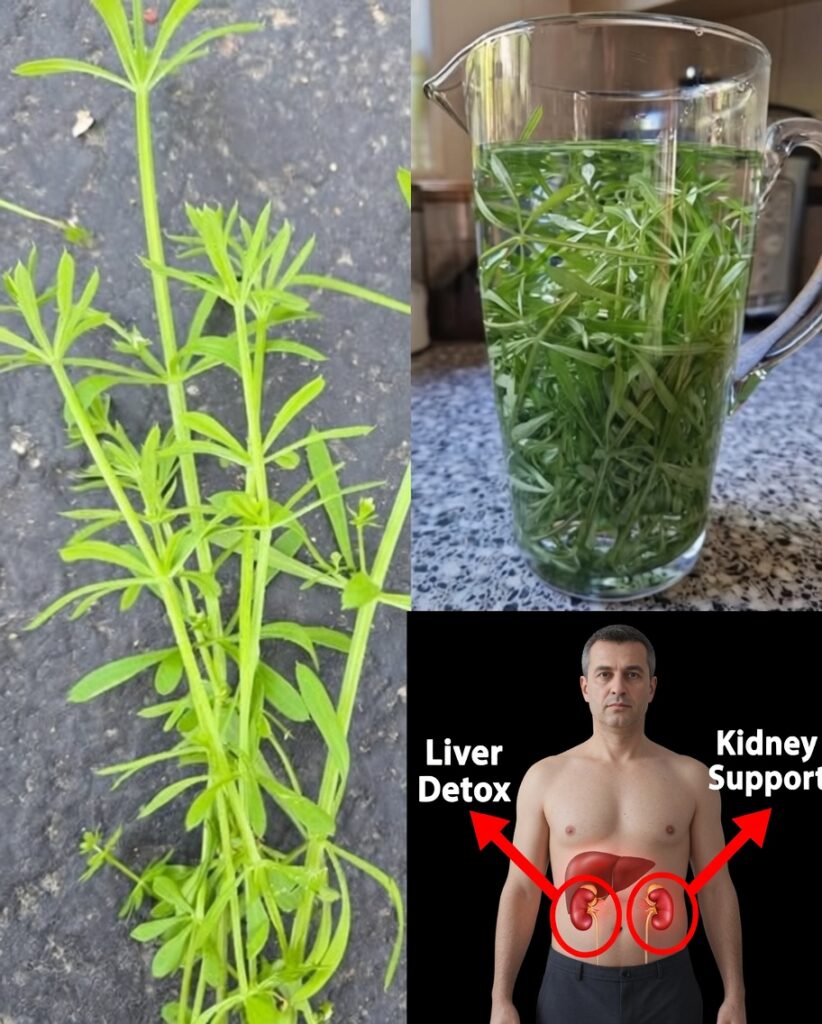
Cleavers (Galium aparine): The Overlooked Herb for Detox and Lymphatic Support
In natural herbal medicine, cleavers (Galium aparine) is often underestimated—yet it has a long history as a gentle, effective plant for detoxification and lymphatic drainage. If you’re dealing with low energy, tender or swollen glands, fluid retention, or recurring skin flare-ups, cleavers may be a valuable addition to your wellness routine.
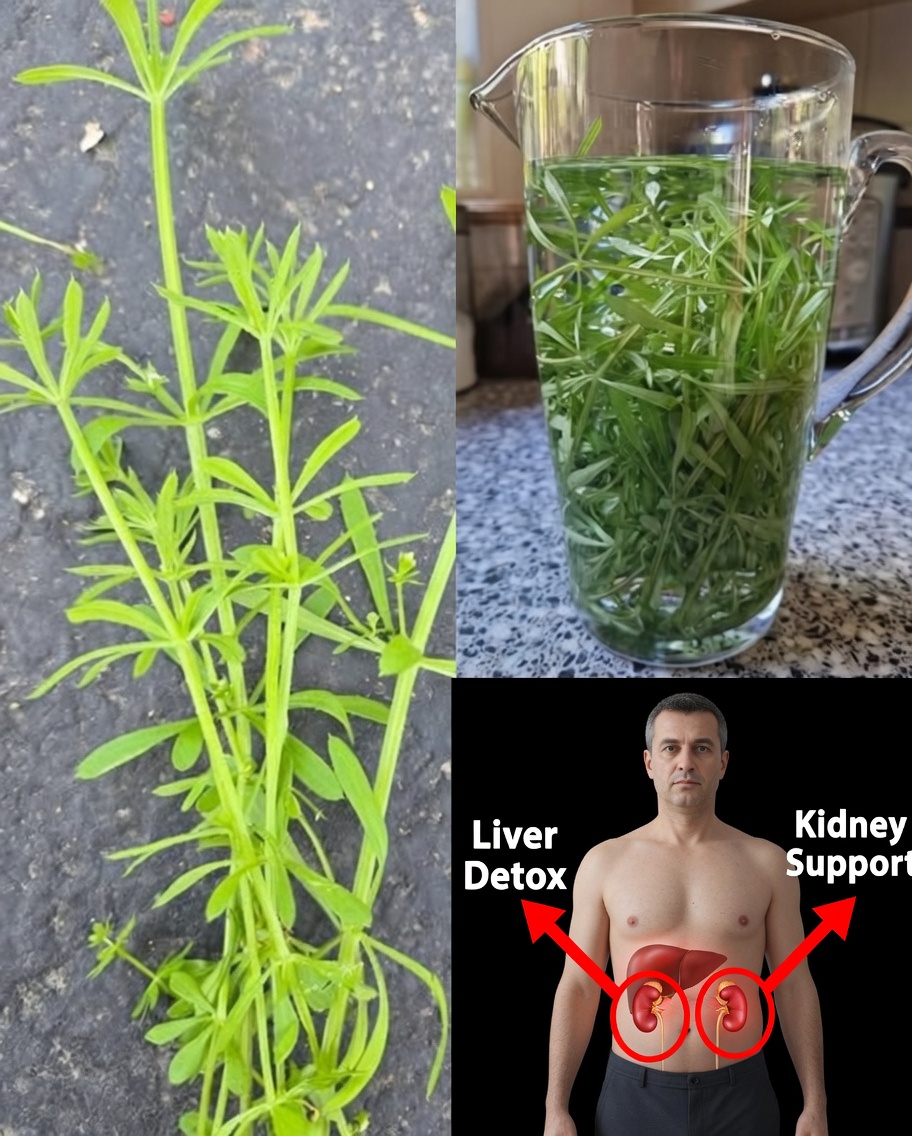
What Is Cleavers?
Cleavers is a fast-growing, climbing herb commonly called goosegrass, bedstraw, or sticky weed. It’s easy to recognize in spring and early summer because its stems and leaves feel tacky and readily cling to clothing, fur, fences, and hedgerows. The plant is native across Europe, North America, and parts of Asia.
Quick botanical facts
- Botanical name: Galium aparine
- Plant family: Rubiaceae (the same family as coffee)
- Parts used: Aerial parts (stems, leaves, and flowers)
Cleavers for Detox: A Gentle Natural Cleanser
One of the best-known traditional uses of the cleavers herb is supporting the body’s natural cleansing pathways. It is valued for helping the body move excess fluids and metabolic waste through both the urinary system and the lymphatic system, supporting healthy fluid balance.
How cleavers supports detox
- Mild diuretic action: Encourages urine flow, helping the kidneys clear waste more efficiently.
- Tissue and “blood-cleansing” support: Traditionally used for its cooling, mildly astringent qualities that promote cleaner-looking skin and healthier tissues.
- Light liver support: Not as strong as herbs like milk thistle or dandelion, but often used as a gentle complementary herb for overall detox pathways.
Why Lymphatic Support Matters (And How Cleavers Helps)
The lymphatic system works like an internal drainage network—moving fluids, waste, and immune cells throughout the body. When lymph flow slows or becomes congested, you may notice fatigue, puffiness, swelling, or persistent inflammation.
Cleavers is widely used in herbal traditions for lymphatic stagnation and may help to:
- Encourage lymph flow and drainage
- Ease swollen glands, especially after illness
- Support immune function and recovery
- Assist alongside care for issues such as tonsillitis, lymphadenitis, and chronic or lingering infections
Additional Benefits of Cleavers
Cleavers isn’t only a detox and lymph herb. It is also used for a variety of common concerns.
1. Skin support
Cleavers has a long-standing reputation for helping calm and clear irritated skin, including:
- Eczema
- Psoriasis
- Acne
- Sunburn or general inflammation
It can be used internally (tea, tincture) or externally in preparations such as an infused oil, salve, or herbal wash.
2. Urinary tract comfort (including UTIs)
Because cleavers is cooling and soothing, it’s often chosen to support:
- UTI relief
- Bladder irritation and inflammation
- Ongoing urinary wellness by helping flush the urinary tract
3. Water retention, puffiness, and edema
By promoting healthy fluid movement and elimination, cleavers may help reduce water retention, including swelling that can occur in hot weather or during hormonal changes.
How to Use Cleavers
Cleavers is often considered most effective when used fresh, but it’s also available dried and in topical forms.
Fresh juice or tincture
- Juice the fresh plant, or use a 1:2 tincture made from fresh herb.
- Typical dose: 2–5 mL, up to 3 times daily
Tea or infusion (cleavers tea)
- Use dried cleavers, about 1–2 teaspoons per cup of hot water.
- Steep for 10–15 minutes.
- Drink 2–3 cups daily for lymphatic or urinary support.
Topical use
- Apply cleavers oil, cream, or salve to support irritated skin.
- Use a compress or poultice over inflamed glands, minor wounds, or areas of swelling.
Safety, Side Effects, and Precautions
Cleavers is generally well tolerated, but consider these precautions:
- Avoid during pregnancy, as its diuretic and cleansing actions may not be appropriate.
- Use caution if you take diuretic medications; consult a qualified healthcare professional about potential interactions.
- If foraging, ensure correct identification and harvest only from pesticide-free areas.
Final Thoughts
Modern life can place heavy demands on the body—stress, inflammation, and environmental exposure all add up. Cleavers (Galium aparine) offers a simple, time-tested approach for gentle detox support, lymphatic drainage, and immune resilience. Whether you choose a tea, tincture, or topical preparation, this “sticky weed” deserves a place in a well-rounded herbal toolkit.
FAQs
Q: Can I forage cleavers myself?
A: Yes. Cleavers is common in spring and early summer. Harvest from clean, pesticide-free locations and confirm identification before use.
Q: How long should I take cleavers for a detox cycle?
A: A common approach is 2–3 weeks. Longer-term use is best guided by an herbalist or healthcare professional.
Q: Can cleavers help with acne?
A: It may. Many people use cleavers because its lymphatic and cleansing support can contribute to clearer-looking skin over time.