
Crabgrass (Digitaria spp.): More Than a Weed
Crabgrass is usually seen as an unwanted lawn invader, but Digitaria spp. has a long history in traditional herbal practices and may offer real value as a natural herbal remedy. Beyond its reputation as a nuisance plant, crabgrass contains useful nutrients and is associated with digestive support, antioxidant activity, and anti-inflammatory benefits. Here’s why the health benefits of crabgrass deserve a second look.
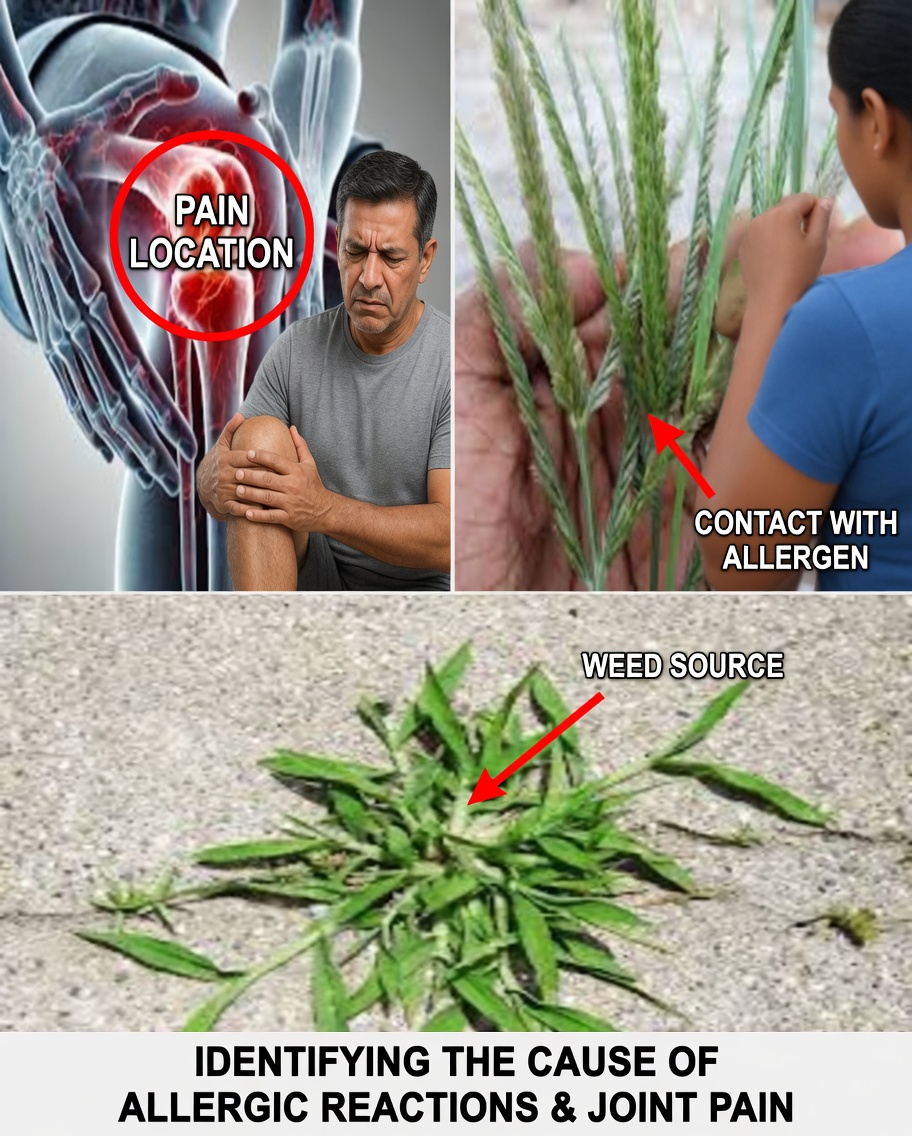
Nutritional and Medicinal Benefits of Crabgrass
1. Provides Key Vitamins, Minerals, and Antioxidants
Crabgrass contains several nutrients that contribute to overall wellness, including:
- Iron to support healthy blood function and circulation
- Calcium to help maintain strong bones and teeth
- Magnesium to aid muscle function and relaxation
- Antioxidants that help protect cells from oxidative stress
2. Helps Support Digestive Health
In traditional use, crabgrass has been associated with gut comfort and digestive balance:
- Used as a mild natural laxative in folk remedies
- May help ease bloating and stomach discomfort
- Often referenced in practices focused on supporting liver and intestinal cleansing
3. Supports Immune Function
Thanks to its antioxidant content, crabgrass is sometimes used to help the body defend itself:
- Antioxidants may help neutralize free radicals
- Traditionally viewed as supportive for the body’s natural defenses
- Commonly linked with approaches aimed at reducing inflammation
4. Traditionally Used for Skin Care and Wound Support
Crabgrass has also been applied externally in traditional settings:
- Used for minor rashes, irritated skin, and small wounds
- May help calm redness and swelling while encouraging recovery
- Commonly prepared as herbal pastes or infused oils for topical use
5. May Promote Heart Health
Some of crabgrass’s nutrients may support cardiovascular wellness:
- Magnesium can play a role in healthy blood pressure regulation
- Traditional use suggests it may support healthier cholesterol balance, especially by helping manage “bad” cholesterol
6. Used in Traditional Respiratory Remedies
Crabgrass is sometimes included in herbal preparations for breathing comfort:
- Traditionally used to help loosen mucus and soothe coughing
- Often consumed as a warm tea to help with congestion and seasonal respiratory discomfort, including bronchitis-style symptoms
How to Use Crabgrass at Home
1. Crabgrass Herbal Tea
Ingredients
- 1 cup fresh or dried crabgrass leaves
- 2 cups boiling water
- Honey or lemon (optional)
Directions
- Simmer the leaves in water for 5–10 minutes.
- Strain into a cup and drink warm.
- Add honey or lemon if desired.
Common traditional uses: digestive comfort, immune support, and gentle detox-style routines.
2. Crabgrass Detox Juice
Ingredients
- A handful of fresh crabgrass leaves
- 1 cup water
- 1 teaspoon lemon juice
- ½ teaspoon honey (optional)
Directions
- Blend the leaves with water until smooth.
- Strain into a glass.
- Stir in lemon juice and honey to taste.
Common traditional uses: supporting liver function, boosting energy, and promoting digestive balance.
3. Crabgrass Poultice for Skin Irritation
Directions
- Crush fresh crabgrass leaves into a paste.
- Apply to affected areas such as rashes, minor wounds, or insect bites.
- Leave for 15–20 minutes, then rinse off.
Common traditional uses: easing itchiness, reducing swelling, and calming irritation.
Final Thoughts: Reconsidering Crabgrass as a Natural Remedy
Crabgrass doesn’t have to be treated only as an invasive weed. With its nutrient content and long-standing role in traditional herbal medicine, crabgrass benefits may include digestive support, antioxidant protection, skin comfort, and more. Whether prepared as crabgrass tea, blended into a detox juice, or used as a topical poultice, this plant can be a practical addition to natural wellness routines.