Datura stramonium (Thorn Apple / Devil’s Trumpet / Jimsonweed): Uses, Risks, and Cultural History
Datura stramonium is a well-known yet highly debated plant. Often called thorn apple, devil’s trumpet, or jimsonweed, it has been tied to traditional medicine, spiritual practices, and folklore for centuries. Its reputation comes from a difficult balance: it contains compounds with medical value, but it is also strongly hallucinogenic and dangerously toxic.
This guide covers what Datura stramonium is, how it has been used, why it is hazardous, and why it remains historically significant.
What Is Datura Stramonium?
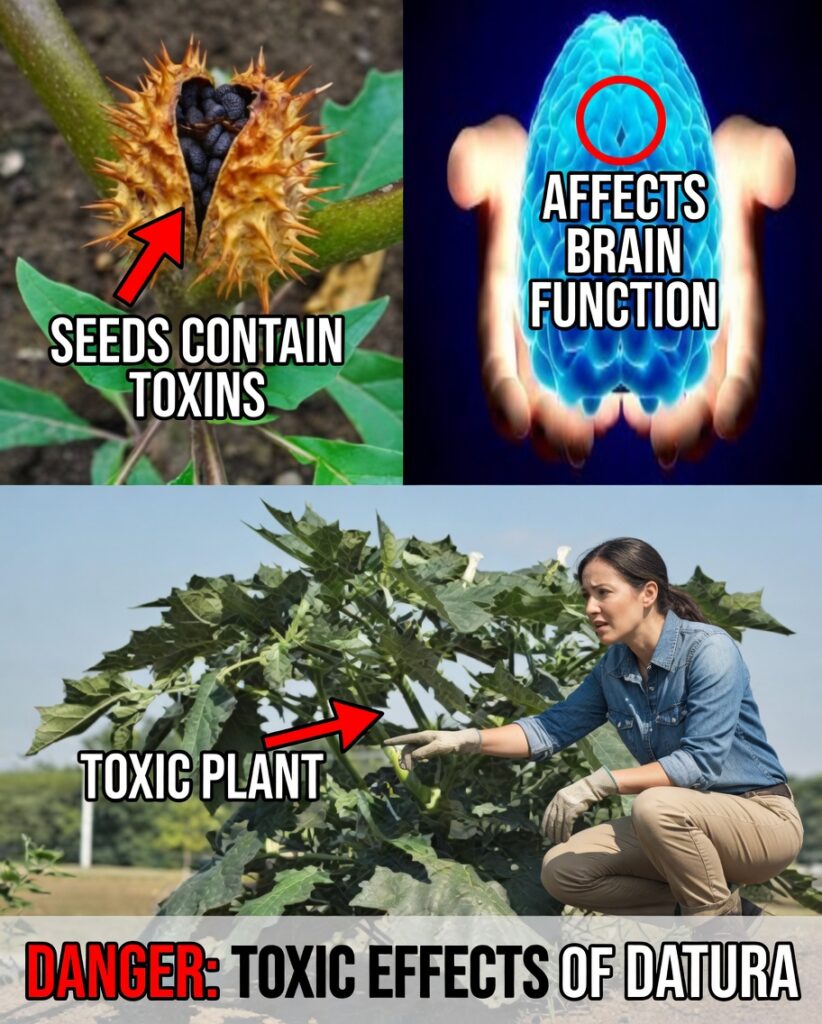
Datura stramonium is a fast-growing plant in the nightshade family (Solanaceae). It is commonly recognized by:
- Large, trumpet-shaped flowers that are typically white and sometimes purple
- Spiny, thorny seed capsules (often described as “spiky pods”)
- Potent tropane alkaloids, which can cause both therapeutic effects and severe poisoning
Historically, people have used it in herbal remedies, ritual settings, and, at times, as a poison—often with serious consequences when misused.
Traditional Medicinal Uses of Datura Stramonium
Despite its extreme toxicity, Datura has appeared in traditional healing systems in very small, carefully controlled amounts. Reported historical uses include the following.
1. Asthma and Breathing Support
- Dried leaves were smoked in the past to ease symptoms of asthma, bronchitis, and other respiratory complaints.
2. Pain Relief and Muscle Relaxation
- Used in some traditional practices as an analgesic for joint pain, muscle soreness, and inflammatory discomfort
- Applied externally in preparations such as poultices for issues like rheumatism and neuralgia
3. Sedative Effects and Sleep Support
- In certain traditions, minimal doses were used to encourage calmness and help with insomnia
4. Antispasmodic and Digestive Complaints
- Historically used to reduce cramps, colic, and spasms affecting the digestive system
Important safety note: Because the margin between a “dose” and a poisoning event is extremely small, Datura should never be used without qualified medical supervision.
Dangers and Toxicity: Why Datura Is So Risky
All parts of Datura stramonium—leaves, flowers, seeds, and roots—contain tropane alkaloids, mainly:
- Scopolamine
- Hyoscyamine
- Atropine
These chemicals can disrupt the nervous system and may cause severe, unpredictable reactions.
Symptoms of Datura Poisoning
Possible signs of toxicity include:
- Hallucinations, disorientation, and delirium
- Severe dry mouth and intense thirst
- Fast heartbeat and high body temperature
- Blurred vision and dilated pupils
- Confusion, anxiety, and paranoia
- Seizures, and in serious cases coma
Overdose can be fatal. Some sensitive individuals may also experience skin irritation after contact, so caution is warranted even when handling the plant.
Datura in History, Spirituality, and Folklore
Datura has a long-standing mystical image and has been connected to altered states, divination practices, and occult traditions across multiple regions.
Cultural and Spiritual Associations
- India and Ayurvedic traditions: referenced in small amounts in historical contexts for pain-related uses and altered consciousness
- Native American communities: used in some vision-focused rites and spiritual practices (noting that traditions vary widely by group and region)
- Witchcraft and occult folklore: often linked with “flying ointments” and ritual intoxication in popular accounts
- European folklore: sometimes portrayed as an “underworld” plant associated with sorcery and spirits
These associations reflect Datura’s powerful psychoactive effects, which can appear “mystical,” while still being medically dangerous and unpredictable.
How to Identify and Handle Datura Stramonium Safely
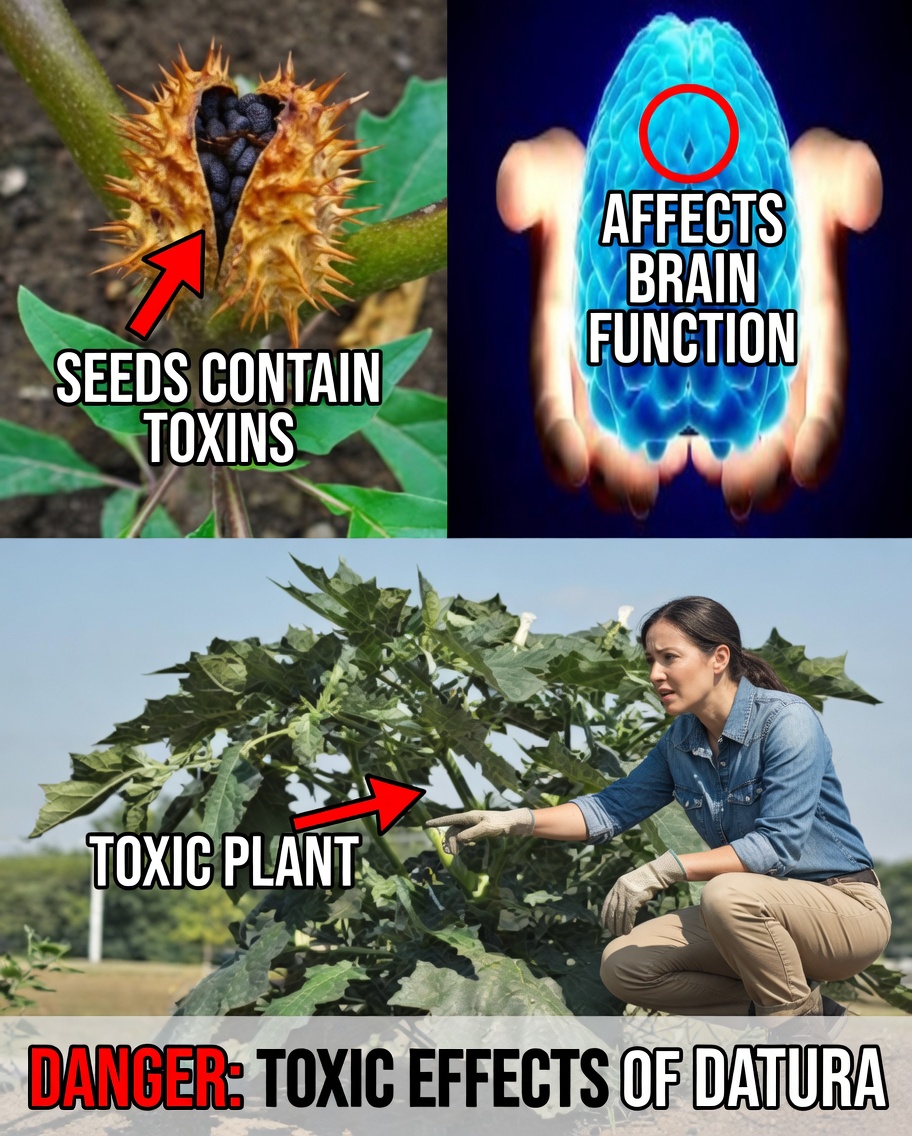
If you encounter a plant you suspect is Datura, treat it as hazardous.
Identification Clues
- Flowers: large, trumpet-like blooms (commonly white; sometimes purple)
- Leaves: dark green with irregular, jagged edges
- Seed pods: round capsules covered in sharp spines
- Odor: often described as strong and unpleasant
Safety Guidelines
- Do not ingest any part of the plant
- Avoid direct contact; if contact is unavoidable, wear gloves
- Keep it away from children and pets
- If poisoning is suspected, seek emergency medical help immediately
Conclusion
Datura stramonium is a plant with a striking legacy—part medicine, part myth, and part warning. While it has been used historically for respiratory complaints, pain, spasms, and sedation, its high toxicity and intense hallucinogenic effects make it one of the most dangerous plants commonly discussed in herbal and spiritual contexts.