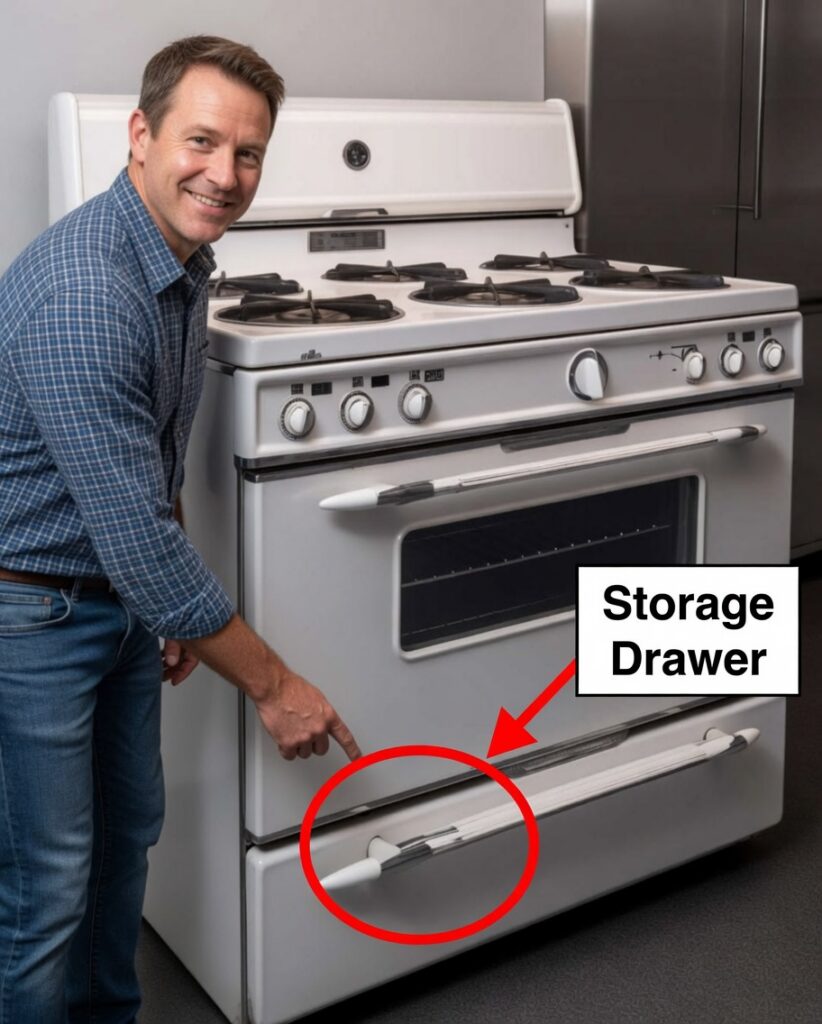
Many kitchens have an oven or stove with a drawer underneath—but most people never learn what it’s actually for. Because it looks like a storage compartment, it’s easy to ignore or misuse. In reality, this built-in feature can improve how you time meals, serve food, and manage multiple dishes.
The Stove Drawer: Why It’s Often Misunderstood
For decades, homeowners have treated the bottom drawer as a handy place for:
- Pots and pans
- Baking trays and cookie sheets
- Oven-safe dishes
Since this habit is so common, many assume storage is the drawer’s official role. The problem is that this assumption can reduce kitchen efficiency—and in some cases, create safety concerns.
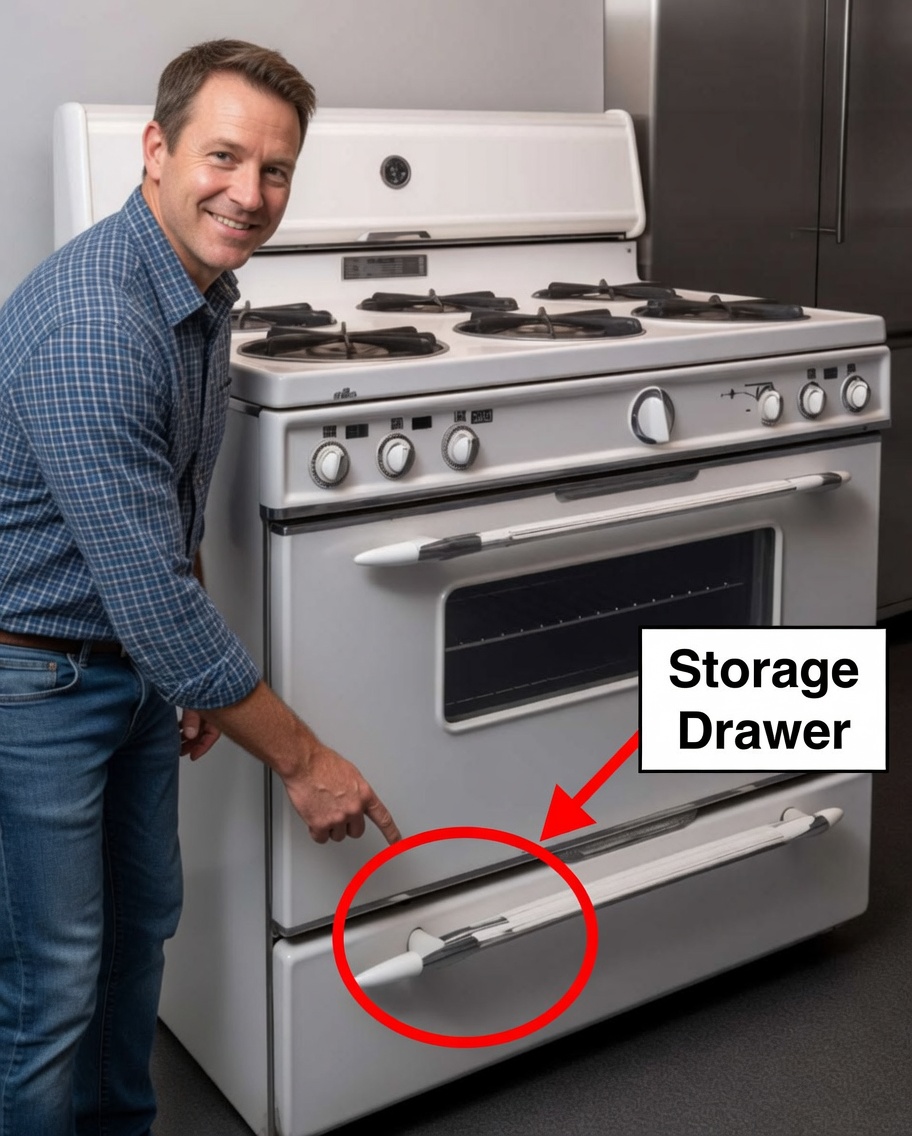
The Real Function: It’s Often a Warming Drawer
On many stove models, that bottom compartment is designed as a warming drawer. Its purpose is simple but extremely useful: to keep cooked food warm until you’re ready to serve it.
A warming drawer maintains low, steady heat, helping food stay at a pleasant serving temperature without continuing to cook. This comes in handy when:
- You’re preparing several dishes at once
- Dinner timing is delayed (late guests, staggered arrivals, etc.)
- You want to keep side dishes warm while finishing the main course
Why Using It for Storage Can Be Risky
If your stove drawer is a warming drawer, using it as storage can lead to real problems:
- Burn hazards: stored cookware can heat up unexpectedly
- Fire risk: plastic items, paper products, or packaging can melt or ignite if the drawer turns on
- Damage to items: heat can warp or discolor stored materials
Understanding your stove’s drawer function helps prevent accidents and protects both your kitchen and cookware.
What a Warming Drawer Does Best: Keep Food Warm (Without Ruining It)
A proper warming drawer is designed to hold food at a stable temperature without:
- drying it out
- making it rubbery
- continuing to bake or overcook
That gentle heat makes it ideal for holding foods like rice, vegetables, rolls, casseroles, or plated meals until everyone is ready to eat.
Bonus Uses: Proofing Dough and Drying Herbs
A warming drawer isn’t only for keeping dinner warm. In many kitchens, it can also support other cooking tasks, such as:
- Proofing dough: the consistent warmth encourages yeast activity and helps dough rise reliably
- Drying herbs: slow, gentle drying can preserve aroma and flavor better than high heat
These extra uses make the stove warming drawer a surprisingly versatile tool.
Safety Tips for Using a Warming Drawer Properly
To use your warming drawer safely and effectively:
- Check your stove manual to confirm whether the drawer is a warming drawer (not all models are the same).
- Avoid plastic, paper, or flammable items inside the drawer.
- Use oven-safe dishes and handle them carefully—contents and surfaces may be hot.
- Clean the drawer regularly to prevent grease or food buildup that could become a hazard.
Warming Drawer vs. Oven or Microwave: Key Advantages
Compared with other ways of keeping food warm, a warming drawer offers clear benefits:
- More gentle than an oven, which can keep cooking the food and dry it out
- Better than a microwave for holding food, since microwaves can change texture and make food soggy or tough
- More energy-efficient than leaving the oven on, especially for extended holding times
Conclusion: Use the Stove Drawer the Way It Was Designed
Once you know the drawer under your stove may be a warming drawer, it’s easy to put it to better use. Instead of treating it as extra storage, you can use it to improve meal timing, keep food ready to serve, and even support tasks like proofing dough or drying herbs. With the right approach, this often-overlooked feature can become one of the most practical parts of your kitchen.