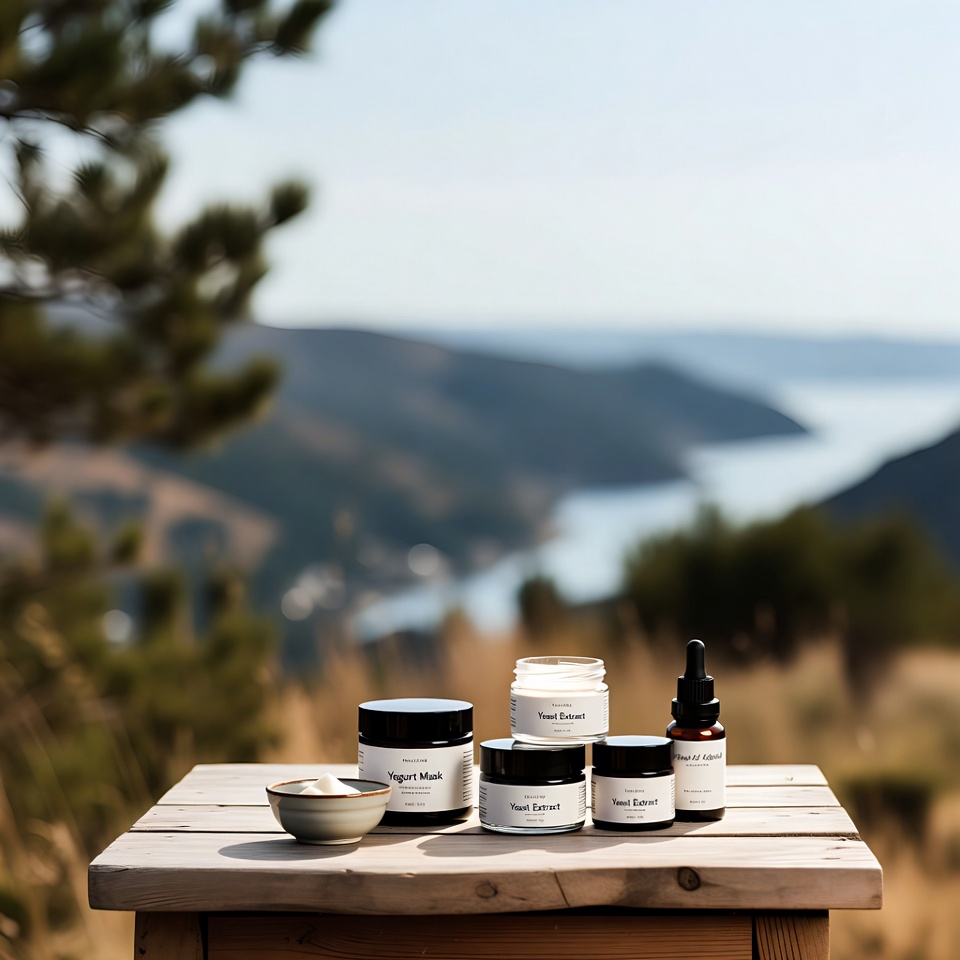
Yeast and Yogurt for Skin: A Gentle DIY Skincare Idea
As the years pass, it’s common to notice small changes in your skin’s texture, tone, and overall appearance. These shifts can sometimes lead to self-consciousness and a desire for softer, kinder skincare options you can do at home. Many people turn to simple, natural ingredients—and two of the most surprisingly useful ones are yeast and yogurt.
Both have been used in traditional beauty practices and are now being explored for their potential benefits in modern skincare routines. And the best part? A quick, three-minute mix-and-apply habit using these kitchen staples may give your routine an extra boost. Keep reading to see how it works.
What Is Yeast and Why Might It Help Skin?
Yeast is best known for its role in baking and brewing, but certain types—such as brewer’s yeast and nutritional yeast—are also rich in skin-supporting nutrients.
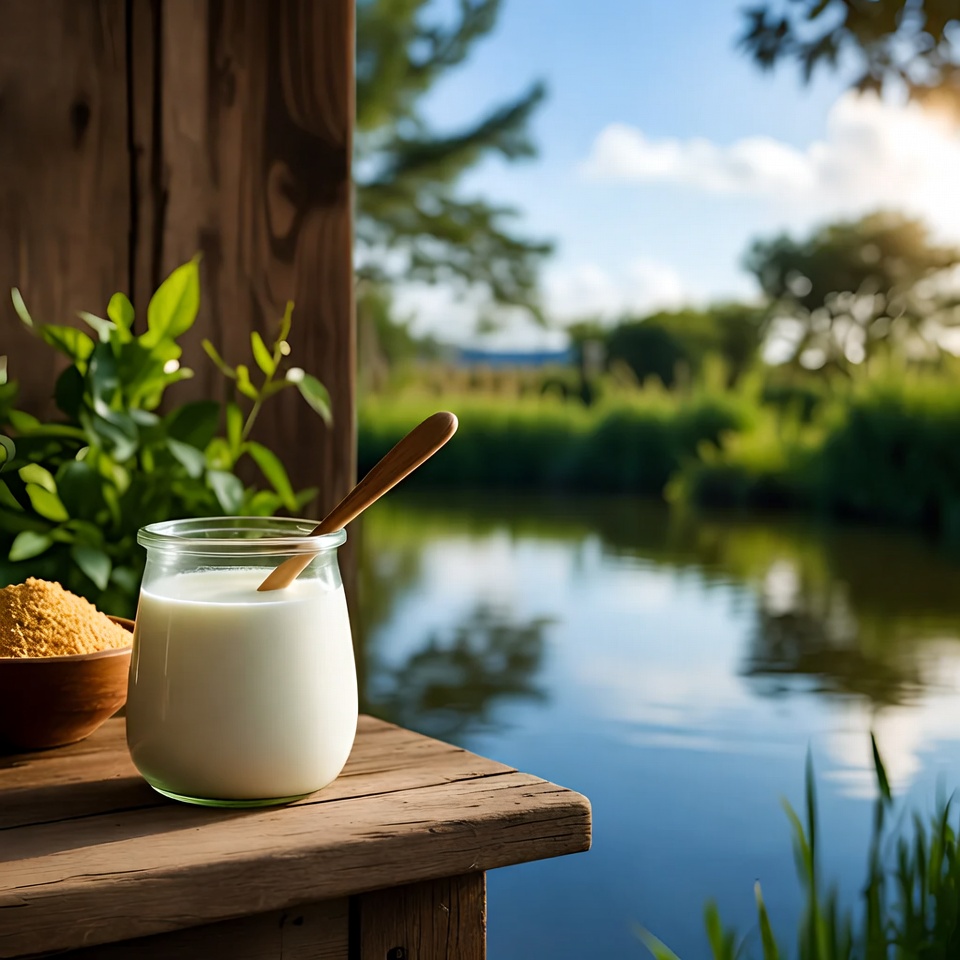
Key components in yeast that may benefit skin include:
- Amino acids
- Peptides
- B vitamins and other micronutrients
These elements are associated with supporting skin strength and overall resilience.
Researchers have also looked at beta-glucans found in yeast. Early studies suggest they may:
- Help maintain skin hydration
- Support the skin’s barrier function
- Offer antioxidant activity that can help defend against everyday environmental stressors
Some experts point out that yeast extracts used in cosmetic products may contribute to skin brightening and moisture levels. However, how well it works can vary from person to person, depending on skin type and how often it’s used.
Yogurt in Skincare: What Research Suggests
Yogurt is a fermented dairy product known for its probiotics and lactic acid—two components that are increasingly popular in skincare discussions.
Yogurt may offer:
- Mild exfoliation thanks to lactic acid (an alpha hydroxy acid)
- A smoother, softer feel to the skin over time
- A gentle, more natural approach that may reduce the risk of irritation for many users
Preliminary research into fermented dairy products, including yogurt, indicates potential benefits when used on the skin, such as:
- Improved moisture retention
- Support for skin elasticity
Probiotics in yogurt may also help support the skin microbiome, the community of microorganisms that live on the skin’s surface and play a role in skin health. This is why yogurt is often recommended in simple, everyday skincare routines aimed at balance and comfort.
Why Combine Yeast and Yogurt in a Face Mask?
Putting yeast and yogurt together in a DIY face mask can create a blend that taps into both ingredients’ strengths:
- Yeast supplies skin-supporting nutrients and antioxidant compounds
- Yogurt offers a creamy base, lactic acid exfoliation, and probiotics
This combination is inspired by traditional beauty rituals that make use of fermented ingredients for their calming and nourishing properties. For many, it’s an approachable way to explore natural, homemade skincare without complicated formulas.
Using common kitchen ingredients also supports a more sustainable approach:
- Less packaging waste
- Fewer single-use products
- A more mindful, minimalist routine
Potential Skin Benefits of Yeast and Yogurt
Research on the individual components of yeast and yogurt points to several possible advantages when they are used topically. Here’s a quick overview:
-
Hydration Support
Beta-glucans from yeast and lactic acid from yogurt may help the skin hold onto moisture more effectively. -
Gentle Exfoliation
Lactic acid in yogurt can act as a mild exfoliant, helping to refresh the skin’s surface and promote a smoother feel. -
Antioxidant Protection
Certain compounds in yeast have antioxidant properties, which may help protect skin from daily environmental stressors. -
Microbiome Balance
Probiotics in yogurt may support a healthy skin microbiome, contributing to overall skin comfort and balance. -
Brightening Potential
With consistent use over time, the combination may help improve the look of dullness and promote a more even-looking tone.
These points are based on general findings, and individual results can vary. Always consider your own skin’s sensitivities and needs when trying any new product or DIY treatment.
How to Make a Simple Yeast and Yogurt Face Mask
If you’d like to try this at home, here is a straightforward recipe for a yeast and yogurt face mask.
Ingredients
- 1 tablespoon fresh yeast
or 1 tablespoon active dry yeast (activated first) - 2 tablespoons plain yogurt (unsweetened, no flavoring)
- Optional: 1 teaspoon honey for extra softness and hydration
Step-by-Step Instructions
-
Activate the yeast (if using dry yeast)
- Place the dry yeast in a small bowl.
- Add a little warm (not hot) water.
- Let it sit for about 5 minutes until it becomes foamy.
- If using fresh yeast, simply crumble it directly into the bowl.
-
Mix with yogurt
- Add the plain yogurt to the yeast.
- Stir until you create a smooth, creamy paste.
- If desired, mix in honey for additional moisturizing benefits.
-
Prep your skin
- Gently cleanse your face to remove makeup, sunscreen, and dirt.
- Pat dry with a clean towel.
-
Apply the mask
- Using clean fingers or a brush, spread the mixture evenly over your face.
- Avoid the eye and lip areas.
-
Leave on for 10–15 minutes
- Allow the mask to sit until it begins to feel slightly dry at the edges, but not uncomfortably tight.
-
Rinse and moisturize
- Rinse off with lukewarm water, massaging gently in circular motions.
- Pat your face dry with a soft towel.
- Follow up with your usual moisturizer.
This process takes only a few minutes to prepare and apply—around three minutes of active effort—making it easy to add to a weekly routine. For most skin types, using this kind of mask 2–3 times per week is a reasonable starting point.
Always perform a patch test on a small area of skin (such as behind the ear or on the inner forearm) before applying the mask to your entire face.
Yeast and Yogurt vs. Other Natural Face Masks
To see how a yeast and yogurt mask compares with other popular DIY options, here’s a simple overview:
| Mask Type | Main Ingredients | Main Focus Areas | Approx. Prep Time |
|---|---|---|---|
| Yeast & Yogurt | Yeast, Yogurt | Hydration, Gentle Exfoliation | ~3 minutes |
| Honey & Lemon | Honey, Lemon Juice | Brightening, Antibacterial | ~2 minutes |
| Oatmeal & Milk | Oats, Milk | Soothing, Moisture | ~5 minutes |
| Turmeric & Yogurt | Turmeric, Yogurt | Calmness, Glow-boosting | ~4 minutes |
The yeast and yogurt mask stands out for its quick preparation and nutrient-rich profile. However, the best choice depends on your skin type, preferences, and specific concerns.
Tips for Safe and Effective Use
To get the most from a DIY yeast and yogurt face mask, keep these safety and skincare tips in mind:
-
Use fresh, clean ingredients
Avoid expired products and make the mask fresh each time to minimize the risk of irritation or contamination. -
Start slowly
If you have sensitive or reactive skin, begin with a shorter contact time (5–10 minutes) and less frequent use. -
Watch for reactions
If you notice redness, burning, itching, or discomfort, rinse off immediately and discontinue use. Consult a dermatologist if irritation persists. -
Make it part of a routine
Pair your mask with a consistent skincare regimen that includes a gentle cleanser, moisturizer, and daily sunscreen. -
Support skin from within
Hydration, a balanced diet, and enough sleep can all influence how your skin looks and feels.
Who Should (and Shouldn’t) Try a Yeast and Yogurt Mask?
While this mask can be a gentle option for many, it’s not suitable for everyone.
Consider avoiding or modifying this mask if:
-
You have a dairy allergy or lactose intolerance
Skip traditional yogurt and look for a plant-based yogurt alternative (such as coconut or oat yogurt) that your skin tolerates. -
You have a known sensitivity to yeast
In that case, avoid using yeast on the skin. -
You have active skin conditions
If you’re dealing with severe acne, eczema, rosacea, or other diagnosed conditions, speak with a dermatologist before trying any new DIY treatment.
For many adults, especially those focusing on mature skincare or a more natural approach, this low-cost, easily accessible option can be a simple way to experiment and see what works best at home.
A Small, Mindful Step Toward Natural Skincare
Bringing yeast and yogurt into your skincare routine can be an enjoyable and easy way to explore natural, DIY beauty. Their nutrient-rich profiles, combined with straightforward application, make them appealing for anyone curious about home remedies.
And that “three-minute habit” mentioned earlier? It’s the quick process of mixing and applying this mask—just a few minutes that may become a relaxing, skin-supporting ritual in your week.
Frequently Asked Questions
1. What types of yeast are best for skincare?
Fresh brewer’s yeast and nutritional yeast are commonly mentioned in skincare contexts due to their beneficial compounds. If you use active dry yeast (the type for baking), make sure to activate it in warm water first, as described in the recipe, before adding it to your mask.
2. Can yogurt be used on the face by itself?
Yes. Plain, unsweetened yogurt can be used on its own as a simple face mask. Its lactic acid and probiotics may help gently exfoliate and support the skin’s microbiome. Combining yogurt with other ingredients, such as yeast or honey, can tailor the mask to your personal preferences.
3. How often can I use natural face masks like this?
For most people, 2–3 times per week is a reasonable frequency for natural masks, allowing your skin time to respond and recover. Monitor how your skin feels and adjust based on any signs of dryness, irritation, or discomfort.
Disclaimer:
This content is for informational purposes only and is not a substitute for professional medical advice, diagnosis, or treatment. Always consult a qualified healthcare provider or dermatologist before starting new skincare practices, especially if you have allergies, sensitive skin, or existing medical conditions.