DIY Hibiscus Lip Balm: A Natural, Tinted Lip Care Recipe
For anyone who loves clean beauty, finding gentle, plant-based substitutes for conventional makeup is a top priority. One botanical that has remained popular across cultures is the hibiscus flower. Famous for its rich crimson color and skin-loving properties, hibiscus is commonly used in herbal teas—and it also makes a fantastic ingredient for natural lip balm.
This guide explains how to make your own DIY hibiscus lip balm at home, why hibiscus is so effective for lip care, and how to store, customize, and use your balm. This beginner-friendly, chemical-free recipe works beautifully for personal use and can also be adapted for small natural beauty businesses.
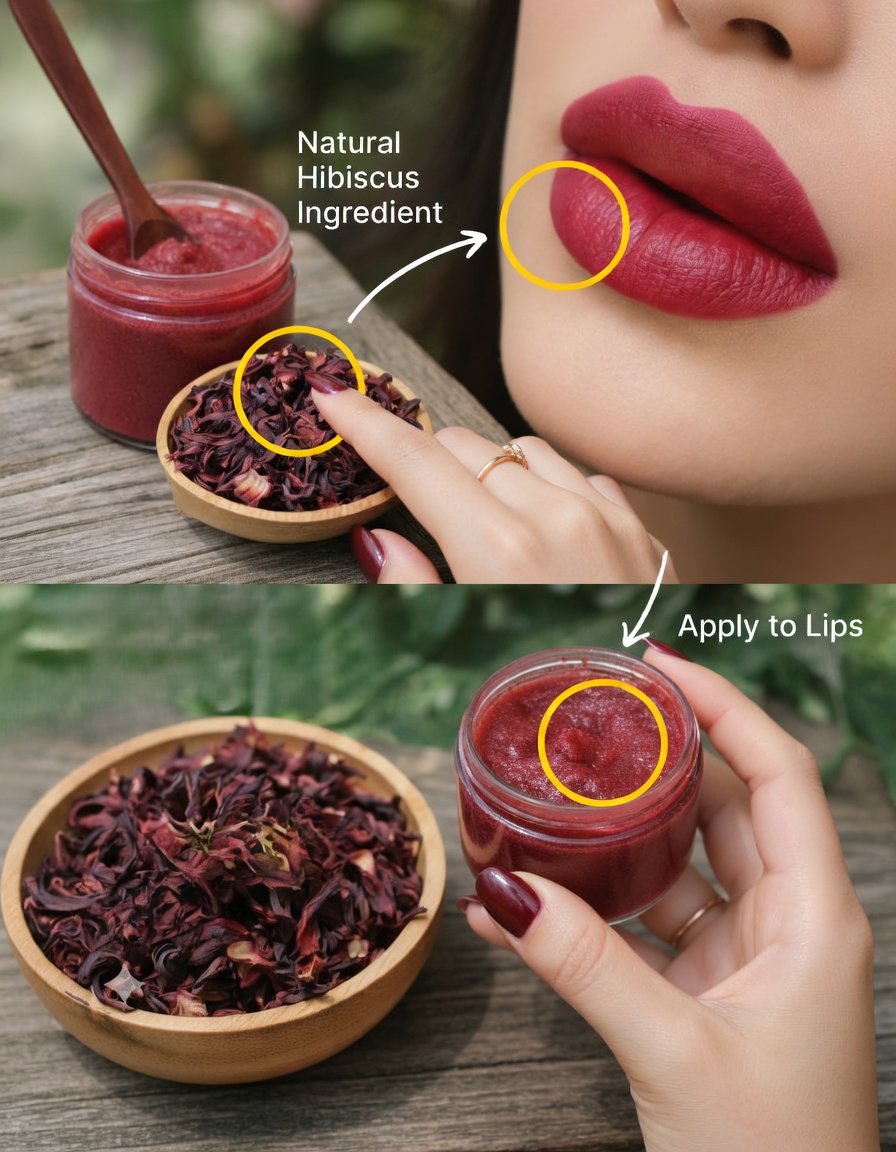
Why Hibiscus Is Ideal for Natural Lip Balm
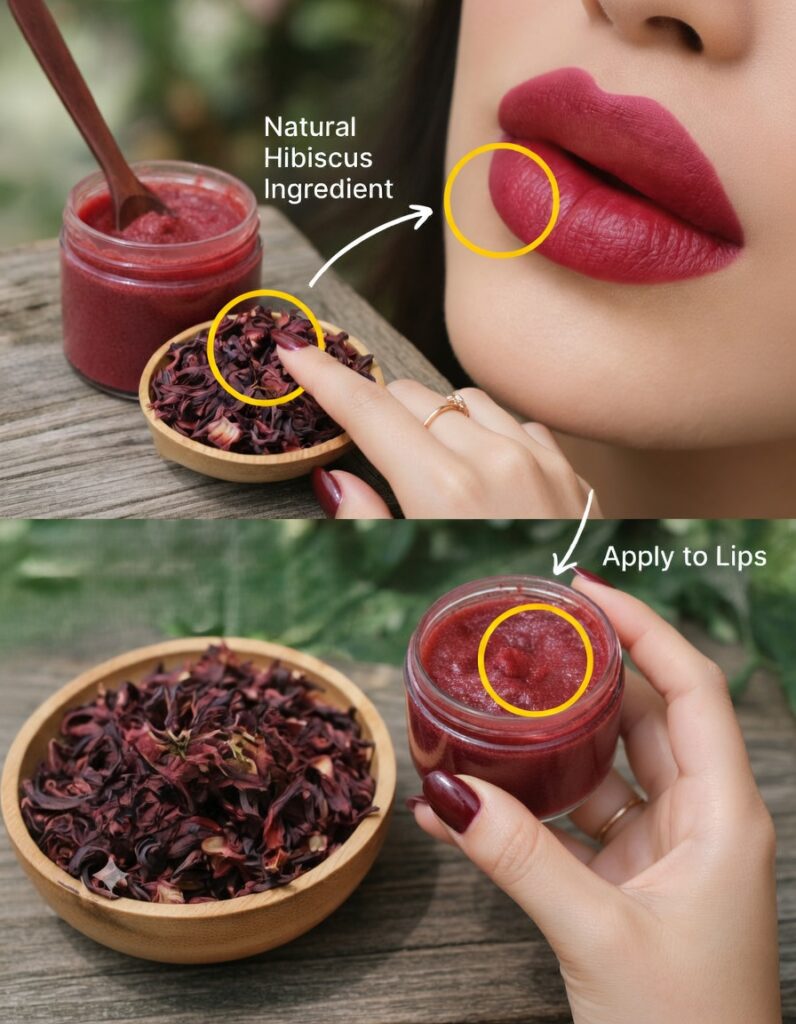
Hibiscus petals are packed with anthocyanins, the natural pigments that give the flowers their vivid red shade. In traditional skincare, these compounds are highly prized because they:
- Provide a natural pink-to-red tint to the lips
- Are rich in antioxidants that help combat environmental stress
- Support soft, plump, youthful-looking lips
- Offer color and hydration without synthetic dyes or harsh chemicals
In many parts of the world, hibiscus is nicknamed the “botox plant” thanks to its reputation for naturally enhancing skin appearance. In lip balms, hibiscus adds a soft wash of color while deeply conditioning dry or chapped lips.
Benefits of Making Your Own Hibiscus Lip Balm
Creating homemade hibiscus lip balm comes with several advantages:
-
100% Natural Formula
You decide every ingredient—no parabens, artificial colorants, mineral oils, or petroleum-based fillers. -
Gentle on Sensitive Skin
Ideal for people prone to irritation, allergies, or sensitivity to synthetic fragrances and dyes. -
Budget-Friendly
One batch can fill multiple lip balm tubes or tins for much less than store-bought options. -
Customizable to Your Preferences
Adjust the shade, scent, firmness, and finish to suit your style and needs. -
More Sustainable and Eco-Conscious
Reuse containers, reduce plastic waste, and support a low-tox, environmentally friendly beauty routine.
Ingredients for DIY Hibiscus Lip Balm
Main Ingredients
- 2 tablespoons dried hibiscus petals (organic is best)
- ¼ cup carrier oil (such as coconut oil, sweet almond oil, or olive oil)
- 1 tablespoon beeswax pellets (use candelilla wax for a vegan version)
- 1 teaspoon shea butter or cocoa butter
Optional Add-Ins
- 5–8 drops of essential oil (for example: rose, lavender, or vanilla)
- 1 vitamin E capsule (for extra nourishment and to help extend shelf life)
Tools You’ll Need
- Heat-safe glass bowl or a double boiler
- Fine strainer or cheesecloth
- Spoon or spatula
- Small lip balm tubes, jars, or tins
Step 1: Prepare the Hibiscus-Infused Oil
The key to achieving a naturally tinted hibiscus lip balm is a well-infused oil.
- Place the dried hibiscus petals into a heat-safe bowl.
- Pour your chosen carrier oil over the petals until they are completely covered.
- Set the bowl over a double boiler on low heat.
- Gently warm the mixture for 30–45 minutes, stirring from time to time.
- As it heats, the oil will gradually take on a deep red or rosy hue.
- Once the color is rich enough, strain the oil through a fine strainer or cheesecloth to remove the petals.
The longer you infuse the oil, the stronger the color will be in your final lip balm.
Step 2: Melt the Lip Balm Base
- In a clean heat-safe bowl, combine the hibiscus-infused oil, beeswax pellets (or vegan wax), and shea or cocoa butter.
- Place the bowl over a double boiler and heat gently.
- Stir continuously until everything is completely melted and the mixture looks smooth and uniform.
- Remove from heat as soon as all solids have dissolved.
Step 3: Add the Final Touches
- Allow the mixture to cool slightly, but do not let it start to harden.
- Pierce the vitamin E capsule (if using) and squeeze the contents into the mixture.
- Add your chosen essential oil drops for fragrance.
- Stir thoroughly to distribute the vitamin E and essential oils evenly.
Step 4: Pour and Set Your Hibiscus Lip Balm
- Carefully pour the liquid balm into clean lip balm containers, jars, or tins.
- Leave them undisturbed at room temperature for about 1–2 hours, or until fully solid.
- Once set, close the lids securely and add labels if desired.
Your homemade hibiscus lip balm is now ready to use.
How to Use Hibiscus Lip Balm
- Apply directly to lips whenever they feel dry or need a boost of color.
- Use daily for lasting hydration, protection, and a subtle natural tint.
- Layer multiple swipes for a deeper, more noticeable rosy shade.
With consistent use, your lips should feel smoother, softer, and naturally more vibrant.
Storage and Shelf Life
- Store your hibiscus lip balm in a cool, dry place away from direct sunlight.
- Approximate shelf life: 6–12 months when kept properly.
- Adding vitamin E helps slow oxidation and prolong freshness.
Avoid leaving the balm in hot environments (such as inside a hot car) to prevent melting and separation.
Customization Ideas
For a Deeper Tint
- Increase the amount of hibiscus petals.
- Extend the infusion time of the oil to intensify the color.
For a Vegan Hibiscus Lip Balm
- Swap beeswax for candelilla wax or another plant-based wax.
- Adjust the amount slightly if needed to reach your preferred firmness.
For a Glossy Finish
- Add a bit more coconut oil for extra shine and slip.
For a More Matte Texture
- Increase the amount of beeswax (or vegan wax) slightly to create a firmer, less glossy balm.
Frequently Asked Questions (FAQ)
Is hibiscus lip balm safe for daily use?
Yes. When made with high-quality, food-grade, natural ingredients, hibiscus lip balm is generally safe for everyday use.
Does hibiscus stain the lips permanently?
No. Hibiscus provides a soft, temporary tint that gradually fades and does not permanently stain the skin.
Can I sell homemade hibiscus lip balm?
Yes. Many small brands successfully sell handmade natural lip balms. Be sure to comply with your local cosmetic safety regulations, labeling requirements, and hygiene standards.
Can I use fresh hibiscus flowers instead of dried?
Dried hibiscus petals are recommended because they offer better control over color, reduce the risk of spoilage, and help extend the balm’s shelf life.
Why Choose Natural Lip Balm Over Commercial Options?
Many commercial lip balms contain synthetic dyes, artificial fragrances, and petroleum-derived ingredients. In contrast, a natural hibiscus lip balm:
- Uses plant-based colorants instead of synthetic dyes
- Avoids unnecessary fillers and harsh chemicals
- Supports a cleaner, more sustainable beauty routine
By making your own lip balm, you are combining traditional herbal wisdom with modern eco-conscious skincare.
Final Thoughts
Hibiscus lip balm is more than just a cosmetic—it is a simple way to experience the nourishing power of plants in your everyday routine. With its beautiful natural tint, antioxidant benefits, and gentle moisturizing properties, this DIY hibiscus lip balm recipe is a wonderful choice for anyone wanting to transition to natural lip care.
Whether you craft it for yourself, share it as a thoughtful gift, or use it as a signature product in a small natural beauty line, this timeless recipe is a gorgeous addition to any clean beauty collection.