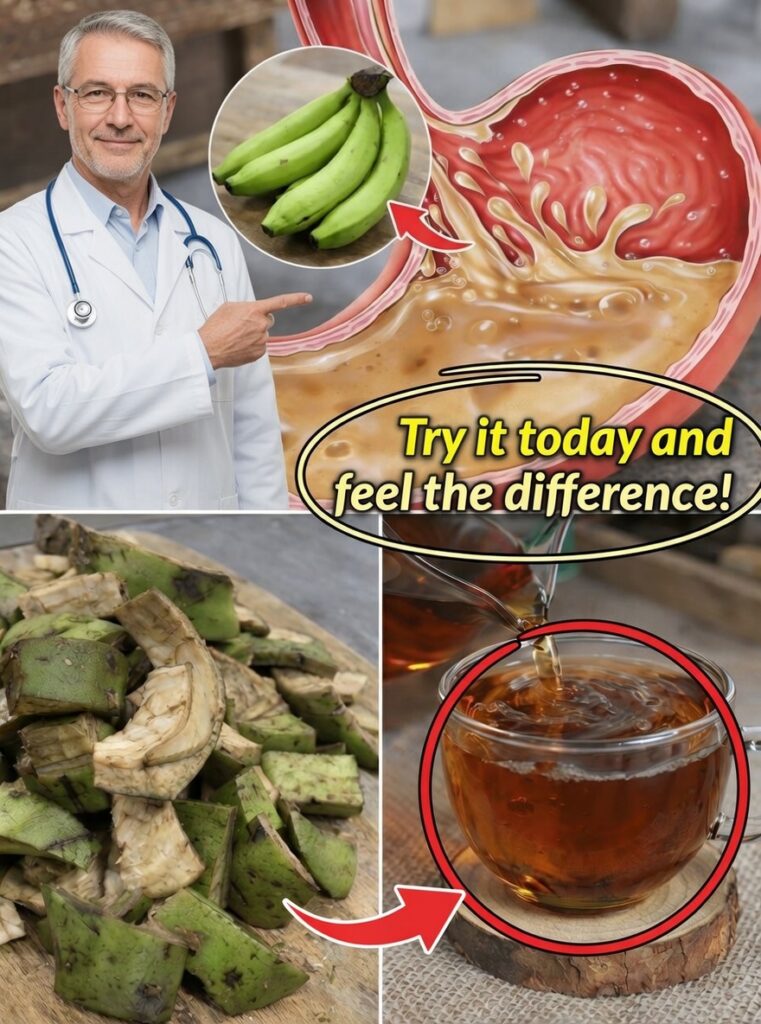
Feeling Heavy After Meals? This Natural Remedy May Bring Surprising Relief
That burning sensation after eating. The constant bloating that makes your clothes feel tight. The uncomfortable “brick in the stomach” feeling that turns a simple dinner into a struggle. Millions of people deal with digestive discomfort daily and look for gentle, natural ways to support digestion and overall well-being.
What if something as simple as the peels you usually toss in the trash could become part of your routine? Keep reading—you may be surprised by this traditional practice that’s gaining attention.
Why Are Plantain Peels Trending?
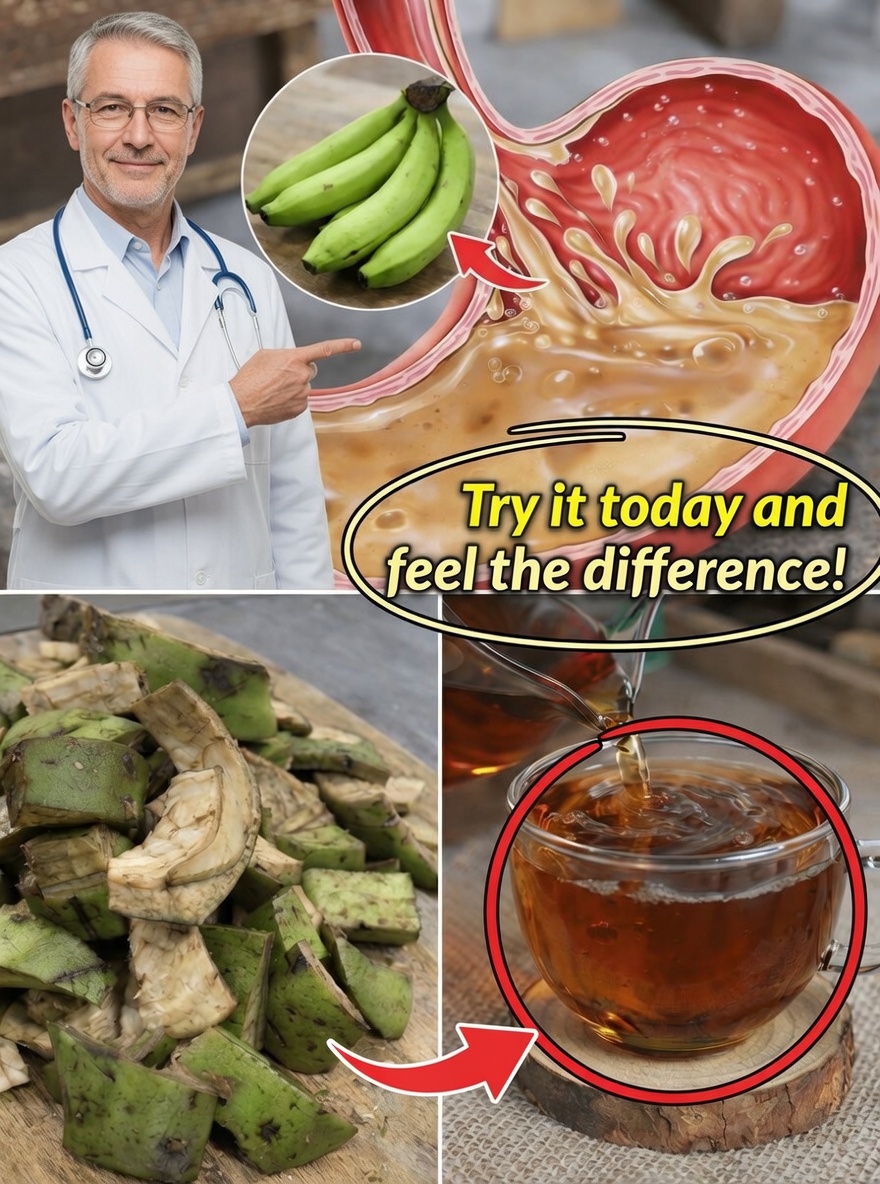
Plantains are similar to regular bananas, but they’re starchier and are typically eaten cooked—especially when still green. Their peels contain natural compounds that have been valued for generations in different cultures.
Today, more people are rethinking plantain peels as more than waste. They’re a source of dietary fiber, polyphenols, and other plant-based compounds that may help support digestive balance.
What makes plantain peels so appealing?
- Easy to find and nearly free
- Simple to prepare at home with basic kitchen tools
- Fits smoothly into everyday routines
Understanding Digestive Discomfort
Heartburn, bloating, and a heavy feeling after meals are common—especially after large, spicy, or fatty foods, or during stressful periods. Irregular eating habits, caffeine, and certain trigger foods can make symptoms worse.
That’s why food-based, natural approaches are becoming more popular. Some research suggests plant compounds may support the digestive system, although more human studies are still needed.
Traditional Uses of Plantain Peels
In many regions, plantain peels have been used for centuries in home preparations. They may be dried, boiled, or made into simple infusions.
People often like this approach because it:
- Makes use of something that would otherwise be thrown away
- Is natural, low-cost, and accessible
- Can become a calming daily ritual
How to Make Plantain Peel Tea
What you’ll need
- Peels from 2–3 green plantains
- 4–5 cups of water
- Optional: fresh ginger or mint leaves
Step-by-step instructions
- Wash the plantains thoroughly.
- Peel them and set the peels aside.
- Cut the peels into smaller pieces.
- Add peels and water to a pot and bring to a boil.
- Once boiling, reduce heat and simmer for 10–15 minutes.
- Turn off the heat, cover, and let steep for another 10 minutes.
- Strain and drink warm.
Many people prefer one cup in the morning or after meals. Start with a small amount and pay attention to how your body responds.
Other Ways to Use Plantain Peels
If tea isn’t your thing, there are other traditional options:
- Dried peel powder: dry the peels completely, grind into a powder, and add to smoothies or porridge
- Infused water: soak the peels in water in the refrigerator overnight
- Cooking uses: in some cultures, peels are prepared properly and added to soups or other dishes
What Does Science Say?
Laboratory studies suggest plantain peels may have antioxidant and anti-inflammatory potential. There are also indications they could help support the digestive lining and contribute to acid balance, but human research is still limited.
For that reason, consider plantain peel tea as a supportive habit, not a replacement for medical care.
Important Tips for Safe Use
- Choose green plantains when possible
- Wash peels carefully before preparing
- Start slowly (about 1 cup per day)
- If storing, consume within 24 hours
- Support results with healthy habits: chew well, manage stress, and avoid known trigger foods
Final Thoughts
Saving plantain peels may sound like a small change, but for many people it becomes a practical, affordable, and natural way to support digestive comfort. It’s simple, low-waste, and easy to turn into a daily routine.
Next time you cook plantains, think twice before tossing the peels—you might be throwing away the start of a new wellness ritual.
Disclaimer: This content is for informational purposes only and does not replace medical advice. Speak with a healthcare professional before starting new habits, especially if you have existing health conditions or take medications.