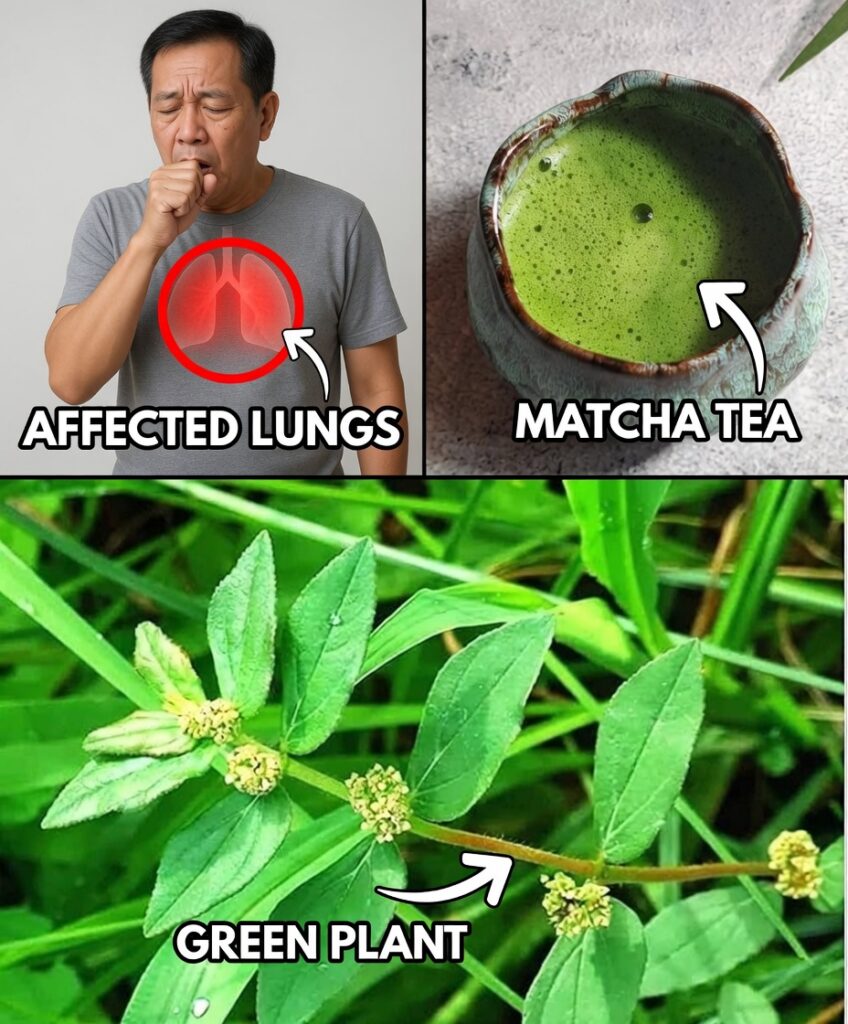
Euphorbia Hirta (Asthma Plant): Benefits, Traditional Uses, and Safe Ways to Use It
Euphorbia hirta—often called the asthma plant—is a well-known medicinal herb used for generations in many tropical regions. This small, leafy plant has earned a strong reputation in traditional healing systems thanks to its broad range of wellness applications. Today, interest in Euphorbia hirta is growing as early scientific research begins to explore the same benefits long recognized in folk medicine.
This guide covers the key health benefits of Euphorbia hirta, common traditional uses, and practical tips on how to use it safely.
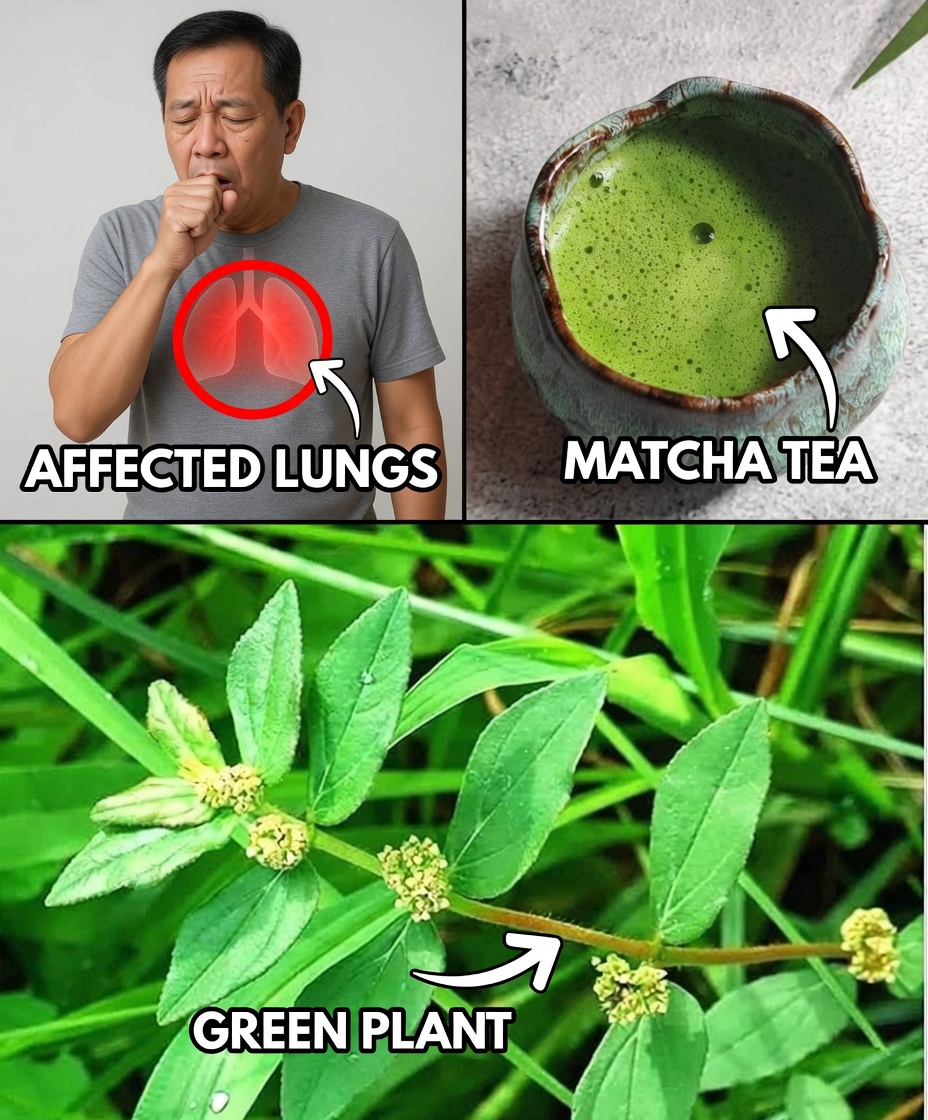
Key Health Benefits of Euphorbia Hirta
Respiratory support for asthma, cough, and bronchitis
Euphorbia hirta is most famous for helping with respiratory conditions such as asthma, bronchitis, and persistent cough. Traditionally, it has been used to ease breathing discomfort by supporting relaxed airways. Its bronchodilator-like action may help improve airflow, making it a popular herbal option for people seeking natural respiratory support.
Anti-inflammatory effects and natural pain relief
The herb is also valued for its anti-inflammatory properties, which may be helpful for concerns like arthritis, sore muscles, and inflammatory discomfort. In traditional use, it has also been taken or applied to reduce pain associated with:
- Headaches
- Joint aches
- Menstrual cramps
- General body pain
Menstrual health and cycle comfort
In many traditional practices, Euphorbia hirta is used to support menstrual regulation and reduce period cramps. It is believed to help the body cope with hormonal shifts and lessen common monthly discomfort, making it a recurring remedy in women’s wellness traditions.
Immune system support
Euphorbia hirta contains multiple bioactive compounds that may contribute to immune function. Although more research is still needed, early findings suggest it may help balance immune responses and support the body’s natural defenses.
Digestive wellness and gut comfort
This herb is also used for digestive issues, especially diarrhea and gastrointestinal irritation. Thanks to its astringent and antimicrobial characteristics, it may help soothe the gut and promote more comfortable digestion.
How to Use Euphorbia Hirta
Euphorbia hirta herbal tea
A common method is drinking Euphorbia hirta as a herbal tea, especially for respiratory or digestive support.
Ingredients
- Fresh or dried Euphorbia hirta leaves
Preparation
- Rinse the leaves well (especially if fresh).
- Add to water and boil for 5–10 minutes.
- Strain the liquid and let it cool slightly.
- Drink warm.
Topical use for inflammation or minor skin irritation
For external discomfort, Euphorbia hirta is often applied directly to the skin.
Steps
- Crush fresh leaves into a paste.
- Apply the paste to the affected area (such as mild inflammation or minor irritation).
- Cover with a clean cloth.
- Leave on for 20–30 minutes, then rinse off.
Precautions and Safety Considerations
Euphorbia hirta may offer meaningful benefits, but safe use is essential. Keep these precautions in mind:
- Speak with a healthcare professional before using Euphorbia hirta, especially if you have chronic health conditions or take prescription medications.
- Do an allergy/patch test before applying it broadly on the skin to check for irritation or sensitivity.
- Avoid during pregnancy and breastfeeding, as reliable safety evidence is limited.
- Follow responsible dosage habits and avoid overuse to reduce the risk of unwanted side effects.
Conclusion
Euphorbia hirta (asthma plant) stands out as a versatile herbal remedy traditionally used for respiratory support, inflammation relief, menstrual comfort, immune support, and digestive health. While traditional knowledge provides a strong foundation, ongoing research continues to explore its potential. When used thoughtfully—ideally with professional guidance—Euphorbia hirta can be a helpful addition to a natural wellness routine.