Natural Ways to Support Healthy Circulation and Blood Flow
Blood clotting is an essential part of the body’s healing process. However, when clots form unnecessarily, they can cause discomfort and raise concerns about circulation, heart health, and overall vascular wellness. Many people start paying closer attention to blood flow as they get older or spend long hours sitting, deal with chronic inflammation, or face other everyday lifestyle factors.
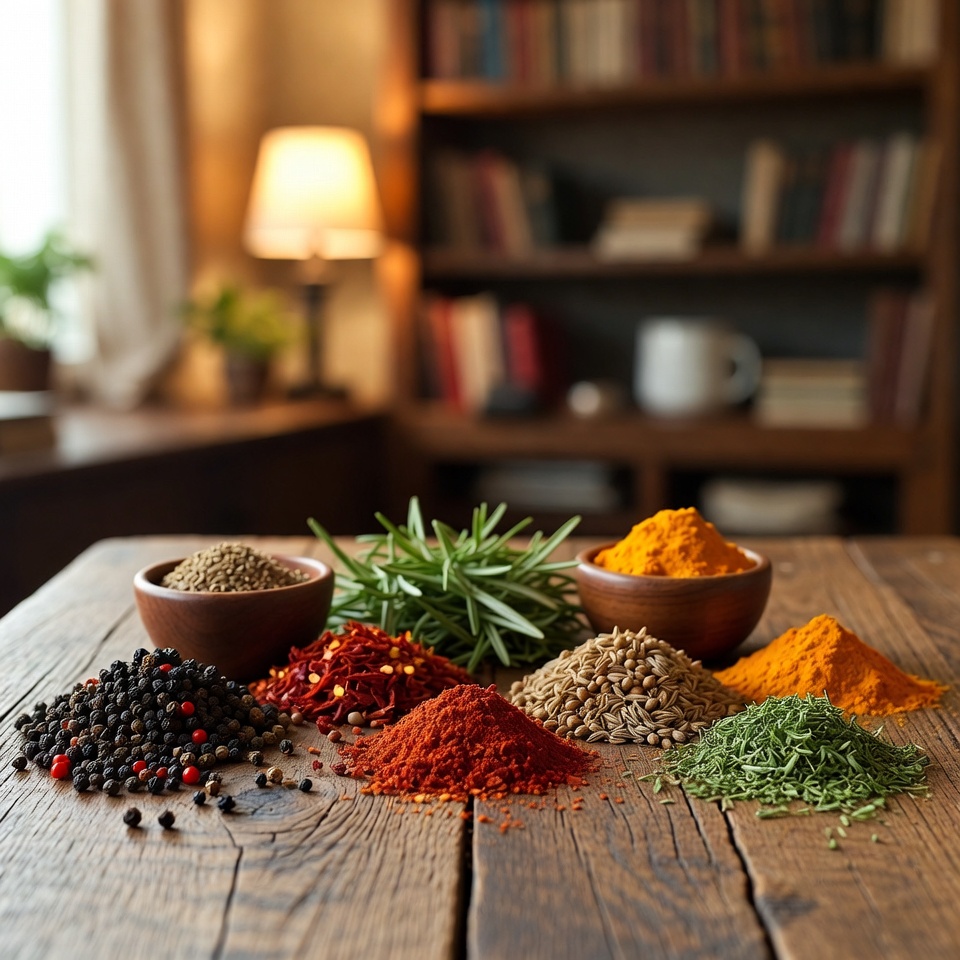
The encouraging news: a number of familiar spices, foods, and traditional herbs have been studied for their potential to support healthy circulation. They may help by moderating inflammation, influencing platelet activity, and encouraging smoother blood flow as part of a holistic wellness routine.
This guide explores some of the most discussed options in current research and traditional use, and how they may fit into a balanced lifestyle.
Why Look for Natural Circulation Support?
Healthy blood flow is closely linked to energy levels, comfort, and cardiovascular well-being. When circulation is efficient, tissues receive more oxygen and nutrients, which may help reduce everyday aches and promote overall vitality.
Research on plant-based ingredients often focuses on:
- Platelet function – how easily blood cells clump together
- Inflammation – a key factor in many circulatory and heart-related issues
- Vascular health – how flexible and responsive blood vessels are
Natural ingredients are not substitutes for medical treatment, but they may offer gentle, supportive benefits alongside a healthy lifestyle and professional care.
Everyday Foods and Spices That May Support Blood Flow
These common kitchen staples have been examined in laboratory and human studies for their potential influence on circulation and cardiovascular comfort.
Turmeric
Turmeric’s bright yellow color comes from curcumin, a compound widely researched for its strong anti-inflammatory and antioxidant properties. Studies suggest curcumin may:
- Help reduce inflammatory pathways
- Modulate platelet aggregation (how platelets clump together)
- Support normal, healthy blood flow when used regularly with food
Using turmeric with a pinch of black pepper and a source of fat may enhance curcumin absorption.
Ginger
Ginger contains gingerols and natural salicylates, which have been linked to:
- Mild, aspirin-like effects on platelet activity
- Reduced inflammation in the body
- Potential support for smoother circulation over time
You can add ginger fresh, powdered, or as a tea for everyday use.
Garlic
Garlic is a classic ingredient in heart-healthy diets around the world. Its key compound, allicin, is associated with:
- Support for healthy cholesterol levels
- Assistance in maintaining flexible, responsive blood vessels
- Help in promoting balanced platelet function
Regular culinary use of garlic may offer gentle cardiovascular support.
Cinnamon
Cinnamon contains coumarin-like components, which in moderate amounts may:
- Help encourage better blood movement
- Slightly reduce the tendency toward clot formation
Ceylon cinnamon (often called “true” cinnamon) is typically preferred for frequent use due to its lower coumarin content compared to cassia cinnamon.
Cayenne Pepper
Cayenne pepper is rich in capsaicin, the compound that gives it heat. Research links capsaicin to:
- Improved blood vessel dilation (widening of blood vessels)
- Enhanced blood flow to tissues
- Support for circulation in people with cold hands and feet or sedentary habits
A little goes a long way, so start with small amounts.
Pineapple and Bromelain
Pineapple, especially the stem, contains bromelain, an enzyme studied for its effects on:
- Fibrin, a protein involved in clot formation
- The body’s natural ability to break down excess clot material
- General cardiovascular and inflammatory balance
Bromelain is available in supplement form, but fresh pineapple can be an easy culinary source.
These ingredients, when used regularly in meals, drinks, or snacks, may provide gentle, ongoing support for circulatory health.
Traditional Eastern Herbs for Blood Flow Support
Traditional Chinese Medicine (TCM) has long used specific herbs to promote what practitioners call “blood movement” and to reduce stagnation. While modern clinical research is still evolving, the following herbs are frequently discussed:
Dong Quai (Dang Gui)
Often known as a “blood-nourishing” herb in TCM, dong quai is traditionally used to:
- Support overall blood circulation
- Enhance vitality and energy
- Complement other herbs in formulas for women’s health and general circulation
Motherwort (Yi Mu Cao)
Motherwort has a long history in female health formulas and is thought to:
- Help regulate blood dynamics
- Assist with circulation, particularly in reproductive and pelvic areas
Achyranthes (Niu Xi)
Achyranthes is used in TCM to:
- Promote downward movement of blood and energy
- Support circulation in the lower body, including legs and joints
Red Peony (Chi Shao) and Ligusticum (Chuan Xiong)
These two herbs are often combined in traditional formulas to:
- Invigorate blood flow
- Help ease discomfort linked to blood stagnation
- Support overall vascular comfort
Important: These herbs can interact with medications—especially blood thinners—and may not be suitable for everyone. Always:
- Buy from reputable, quality-controlled sources
- Consult a qualified healthcare or TCM practitioner before use
Mushrooms and Their Circulatory Potential
Certain medicinal mushrooms are valued for their polysaccharides and triterpenoids, compounds that may influence immune function and circulation.
Reishi (Lingzhi)
Reishi is sometimes called the “mushroom of immortality” in traditional use. Modern studies suggest it may:
- Reduce platelet aggregation
- Support healthy blood vessel function
- Promote overall cardiovascular comfort and resilience
Reishi is often used in powders, capsules, or teas.
Shiitake
Shiitake mushrooms contain natural compounds that may:
- Support healthy blood lipids
- Help maintain flexible arteries
- Offer mild anti-clotting and vessel-supporting effects
They can be eaten as food or taken as extracts for more concentrated use.
Topical Support: Helichrysum Essential Oil
For external support, helichrysum (immortelle) essential oil is popular in aromatherapy for its:
- Anti-inflammatory and soothing properties
- Potential to support localized circulation when applied topically (in a diluted form)
You can mix a few drops of helichrysum essential oil with a carrier oil (such as jojoba, almond, or coconut oil) and gently massage it into areas like legs or arms to encourage comfort and circulation.
Note:
- Essential oils are potent and should never be applied undiluted to the skin.
- Internal use should only be done with guidance from a qualified professional.
Simple Ways to Use These Ingredients Every Day
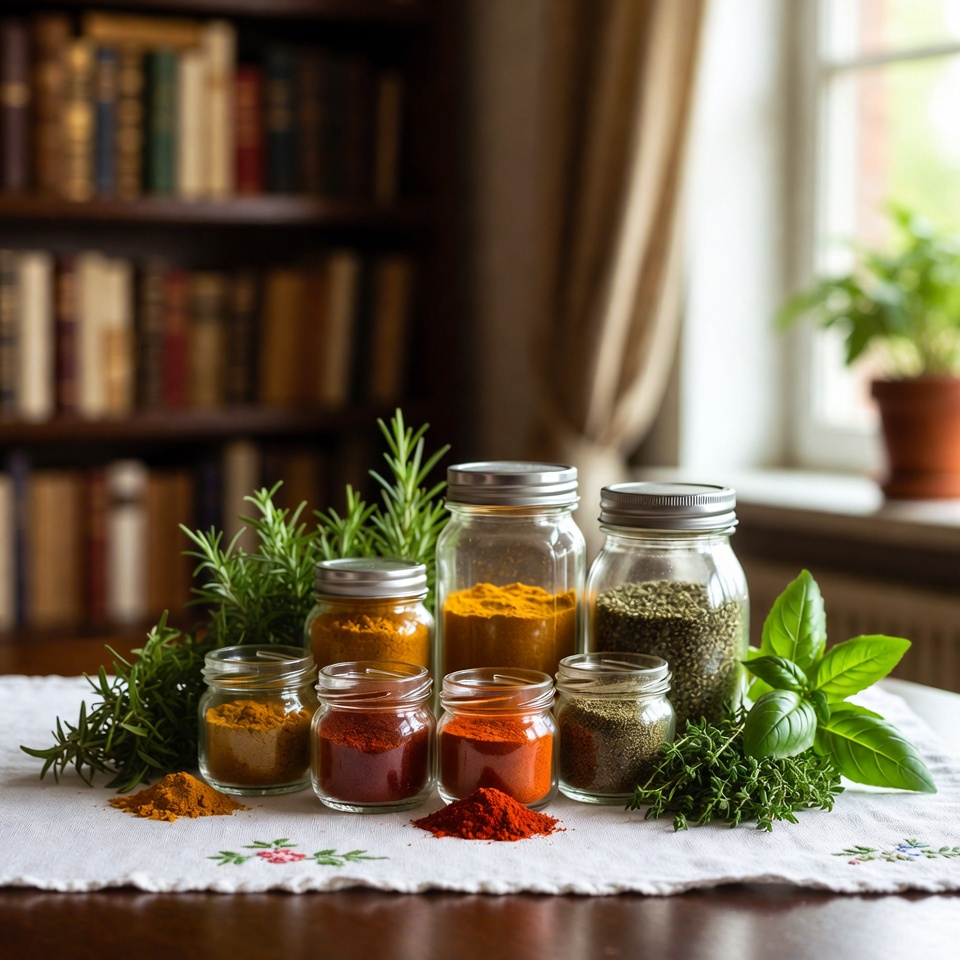
Integrating circulation-supportive foods and herbs into your routine does not have to be complicated. Here are practical ideas:
-
Enhance your meals
- Add turmeric, ginger, garlic, or cayenne to soups, stews, stir-fries, curries, and roasted dishes.
- Use cinnamon in oatmeal, smoothies, baked goods, or sprinkled on fruit.
-
Make warming herbal drinks
- Brew fresh ginger or turmeric slices in hot water.
- Add a pinch of black pepper and a bit of healthy fat (like coconut milk) to turmeric tea to improve absorption.
-
Enjoy pineapple regularly
- Eat fresh pineapple as a snack.
- Blend into smoothies with other circulation-friendly ingredients like ginger or cinnamon.
-
Try mushroom blends
- Stir reishi or shiitake mushroom powder into coffee, hot cacao, or evening herbal drinks.
- Look for reputable mushroom supplements if you prefer capsules.
-
Use diluted essential oils topically
- Combine helichrysum essential oil with a carrier oil.
- Massage gently into calves, thighs, or arms to support local comfort and relaxation.
Start with small amounts, notice how your body responds, and stay consistent. Long-term, moderate use is often more sustainable than large, occasional doses.
Safety Tips Before You Start
While these spices, foods, and herbs are generally safe in normal culinary quantities, higher doses or supplements can affect blood clotting and interact with medication.
Keep the following in mind:
-
Medication interactions
- Many of these ingredients (especially garlic, ginger, turmeric, bromelain, and certain herbs) can enhance the effects of blood-thinning medications or affect clotting time.
-
Surgery and medical procedures
- Some supplements may need to be stopped before surgery to reduce bleeding risk. Always inform your healthcare provider about everything you are taking.
-
Existing health conditions
- If you have a bleeding disorder, cardiovascular disease, diabetes, liver or kidney issues, or are pregnant or breastfeeding, professional guidance is essential.
-
Quality matters
- Choose high-quality products from trusted brands, especially for herbal supplements and essential oils.
These natural options are best seen as supportive tools within a broader plan that includes regular movement, hydration, stress management, and balanced nutrition.
Conclusion
Incorporating circulation-supportive spices, herbs, mushrooms, and natural compounds into your daily routine can be an accessible way to care for your vascular health. Turmeric, ginger, garlic, cinnamon, cayenne, pineapple (bromelain), traditional Eastern herbs, medicinal mushrooms, and topical helichrysum each offer unique, gentle benefits that may promote smoother blood flow and cardiovascular comfort.
Used alongside regular exercise, adequate water intake, and a nutrient-dense diet, these natural options can help you build a more holistic approach to circulation and overall wellness. Small, consistent changes often make the greatest difference in how you feel over time.
FAQ
Can these spices and herbs replace blood-thinning medications?
No. These ingredients may support healthy blood flow, but they are not replacements for prescription blood thinners or other cardiovascular treatments. Always follow your doctor’s instructions and never stop or adjust medication without medical supervision.
How much should I consume daily for potential benefits?
Culinary quantities are a reasonable place to start, for example:
- About 1 teaspoon of turmeric powder (with black pepper and some fat)
- 1–2 cloves of garlic in meals
- A small piece of fresh ginger or ½–1 teaspoon of ginger powder
For supplements or higher doses, get personalized advice from a healthcare provider or nutrition professional.
Are there risks if I already have a health condition?
Yes, there can be. If you:
- Take blood thinners or have clotting issues
- Have heart disease, diabetes, or high blood pressure
- Are pregnant, breastfeeding, or preparing for surgery
then some of these ingredients and herbs may not be appropriate or might require dose adjustments. Always consult a qualified healthcare professional before starting new supplements or making major changes to your routine.