A New Hope in Lung Cancer Treatment: The First Therapeutic Vaccine Enters Global Trials
Lung cancer remains one of the world’s most lethal diseases, causing a large share of cancer-related deaths each year. Although standard options—such as surgery, chemotherapy, and radiation therapy—have helped many patients, outcomes are still poor for advanced-stage cases. This is why the arrival of a therapeutic lung cancer vaccine in international clinical trials is drawing major attention from the oncology community.
Why Lung Cancer Still Demands Better Solutions
Despite decades of research and improved understanding of how lung tumors develop and spread, treatment choices for many patients remain limited—especially when the disease is diagnosed late or stops responding to conventional therapies. The urgent need for innovative lung cancer treatments has driven researchers to explore new approaches, including immunotherapy and therapeutic vaccines designed to work with the body’s own defenses.
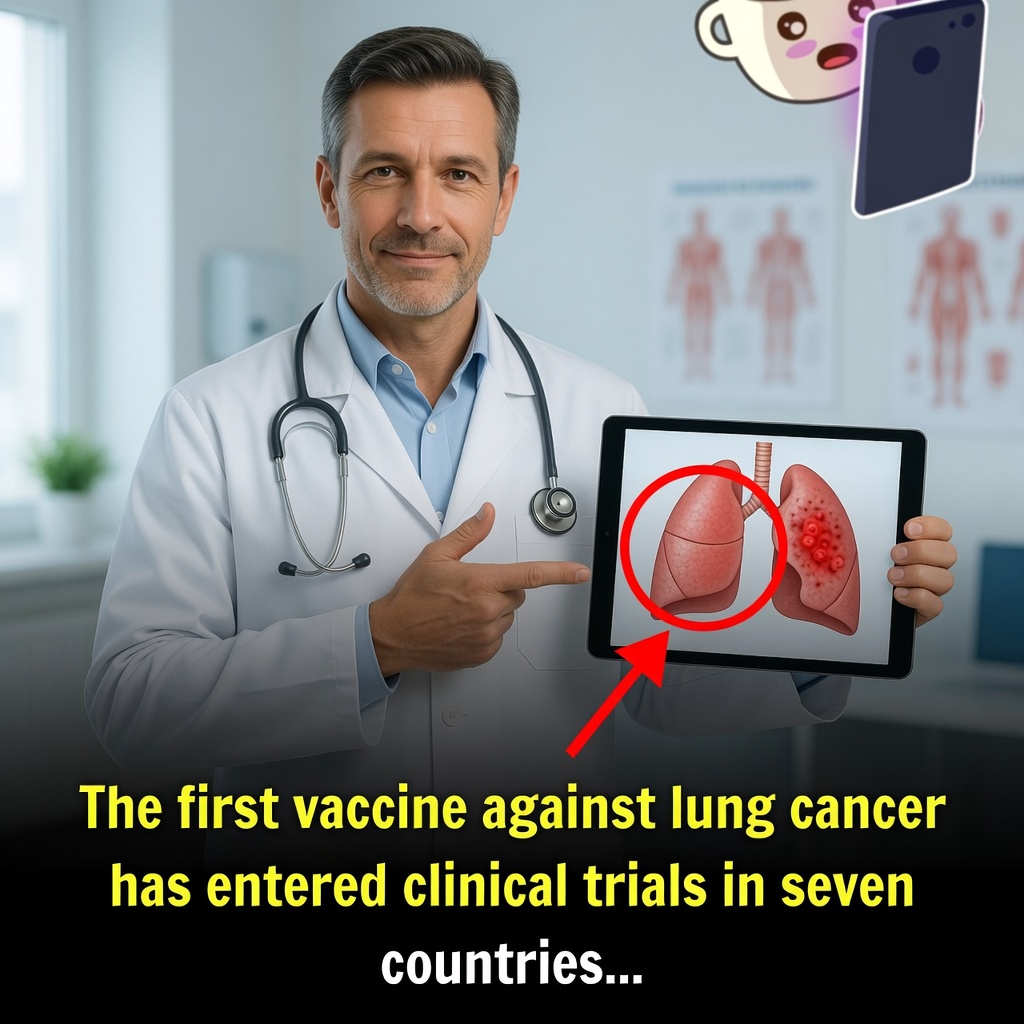
The Vaccine: CIMAvax-EGF (Also Known as Vaxinia)
Created by scientists in Cuba, the vaccine CIMAvax-EGF, sometimes referred to as Vaxinia, has produced encouraging results in early studies and previous trials. Importantly, this is not a vaccine meant to prevent cancer. Instead, it is designed as a treatment for people already living with advanced lung cancer.
How It Works in the Body
CIMAvax-EGF aims to train the immune system to target a key driver of tumor growth: epidermal growth factor (EGF). EGF is a protein that can help cancer cells grow and multiply. By stimulating an immune response against EGF-related pathways, the vaccine may reduce the signals that tumors use to expand, helping the body better control disease progression.
Clinical Trials Expand to Seven Countries
After multiple trials in Cuba indicated the vaccine could help some patients with advanced lung cancer live longer, a new phase of research has broadened internationally. Clinical trials are now underway in seven countries, including:
- The United States
- Canada
- Spain
Researchers are particularly focused on whether this therapy can benefit patients who have not responded well to traditional lung cancer treatments, offering a potential option where choices are currently limited.
Potential Benefits: Survival and Quality of Life
A major point of interest is the vaccine’s potential to support the immune system without the severe side effects often linked to chemotherapy and radiation. Early findings suggest it may:
- Extend survival in certain advanced lung cancer patients
- Improve quality of life by easing symptoms
- Slow disease progression in some cases
While results vary from patient to patient, the possibility of combining effectiveness with better tolerability is one reason this vaccine is viewed as a promising development in cancer therapy.
What Comes Next: Ongoing Research and Cautious Optimism
Although the progress is significant, it is essential to note that clinical trials are still in progress, and broader data is needed to confirm long-term safety and effectiveness. If future results remain positive, CIMAvax-EGF could help reshape lung cancer care by offering a more targeted, less invasive treatment approach—and renewed hope for patients facing one of the most aggressive cancers worldwide.