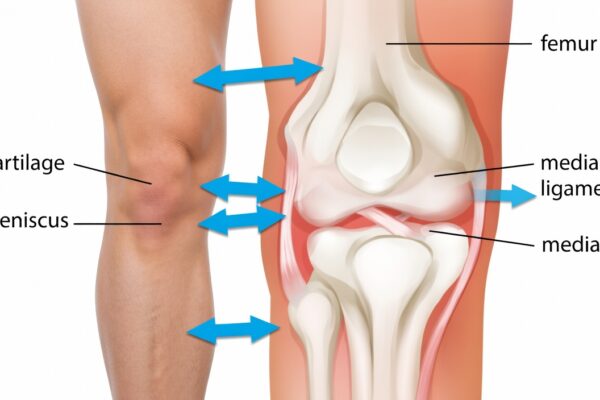
Foods That Support Knee Cartilage and Joint Health
Ongoing knee pain, stiffness, or cartilage wear can make everyday movement difficult. While diet can’t replace medical care for serious joint conditions, what you eat can meaningfully support your knees by helping lower inflammation, encouraging collagen production, and providing nutrients linked to cartilage maintenance and repair.
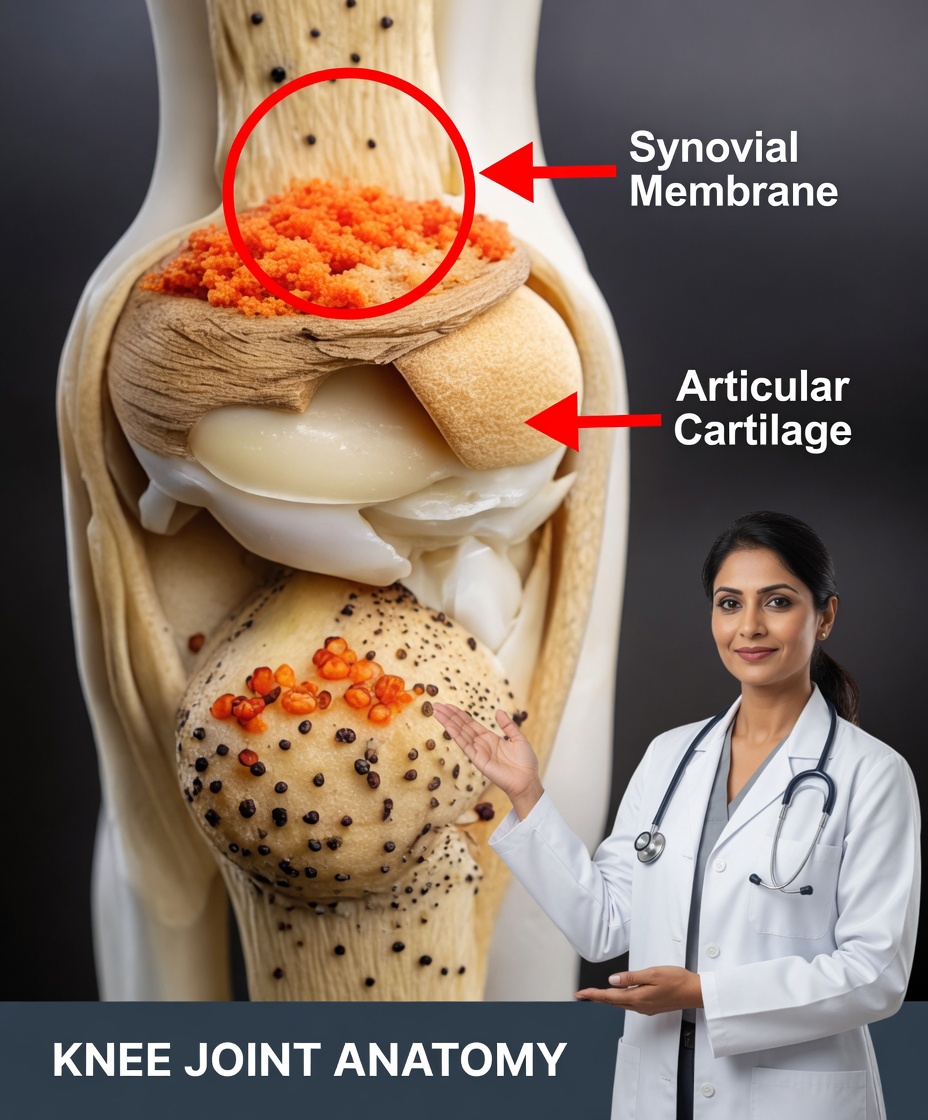
Top Foods to Help Rebuild and Protect Knee Cartilage
1) Bone Broth
Bone broth is valued for its joint-friendly compounds:
- Collagen and gelatin, often associated with cartilage support
- Naturally occurring glucosamine and chondroitin, commonly used in joint health routines
How to use it: Drink about 1 cup daily, or use it as a base for soups and stews.
2) Fatty Fish (Salmon, Sardines, Mackerel)
These fish are rich in omega-3 fatty acids, which may:
- Help reduce inflammation
- Support smoother joint movement by aiding joint lubrication
How to eat it: Aim for 2 servings per week.
3) Turmeric and Ginger
Both spices are well known for their anti-inflammatory properties and may help ease:
- Knee discomfort
- Swelling and stiffness
How to use them: Add 1 teaspoon of turmeric to warm water or tea, ideally with black pepper. Ginger can be added fresh or as tea, daily.
4) Leafy Greens (Spinach, Kale, Broccoli)
Leafy vegetables provide key nutrients for connective tissue:
- Vitamin C and antioxidants to support collagen production
- Vitamin K for overall joint and bone support
- Broccoli contains sulforaphane, linked to cartilage protection
How to eat them: Use in salads, lightly steam, or sauté to keep nutrients intact.
5) Citrus Fruits (Oranges, Lemons, Grapefruits)
Citrus fruits deliver vitamin C, a critical nutrient for:
- Collagen formation
- Protecting cartilage from everyday wear
How to eat them: Enjoy them fresh, or add lemon/grapefruit to water.
6) Nuts and Seeds (Almonds, Walnuts, Chia, Flaxseeds)
These provide:
- Healthy fats that support inflammation balance
- Vitamin E, an antioxidant linked to joint protection
How to use them: Eat a small handful daily or stir into oatmeal, yogurt, or smoothies.
7) Garlic and Onions
These foods contain sulfur-based compounds that may:
- Support cartilage structure
- Help the body manage inflammation
How to use them: Add to meals daily—raw or cooked.
8) Berries (Blueberries, Strawberries, Raspberries)
Berries are packed with antioxidants that can:
- Help protect cartilage from oxidative stress
- Support healthy aging of joints
How to eat them: Snack on them fresh or blend into smoothies.
9) Green Tea
Green tea contains polyphenols, which are associated with:
- Cartilage protection
- Slowing processes linked to joint deterioration
How to drink it: Aim for 2–3 cups per day, if it suits your routine.
10) Legumes (Lentils, Chickpeas, Black Beans)
Beans and lentils offer:
- Plant-based protein to support tissue repair
- Extra fiber and minerals for overall wellness
How to eat them: Add to soups, salads, stews, or grain bowls.
Sample Joint-Strengthening Meal Plan
Breakfast
- Oatmeal topped with chia seeds, walnuts, and blueberries
- Green tea with honey and lemon
Lunch
- Grilled salmon with steamed broccoli and spinach
- Quinoa or brown rice on the side
Dinner
- Bone broth soup with chickpeas, garlic, and turmeric
- A fresh citrus fruit salad for dessert
Bonus Lifestyle Habits for Healthier Knees
- Stay hydrated: Water helps keep joints and cartilage better supported and lubricated.
- Choose low-impact exercise: Activities like swimming, cycling, and walking can strengthen the muscles around your knees with less stress on the joints.
- Maintain a healthy weight: Reducing excess load can significantly decrease pressure on knee cartilage.
Final Thoughts
Adding these cartilage-supporting foods to your diet can help you build a strong foundation for healthier knees—supporting flexibility, comfort, and long-term joint function through better nutrition and daily habits.