
Papaya Leaves: A Traditional Natural Remedy With Modern Appeal
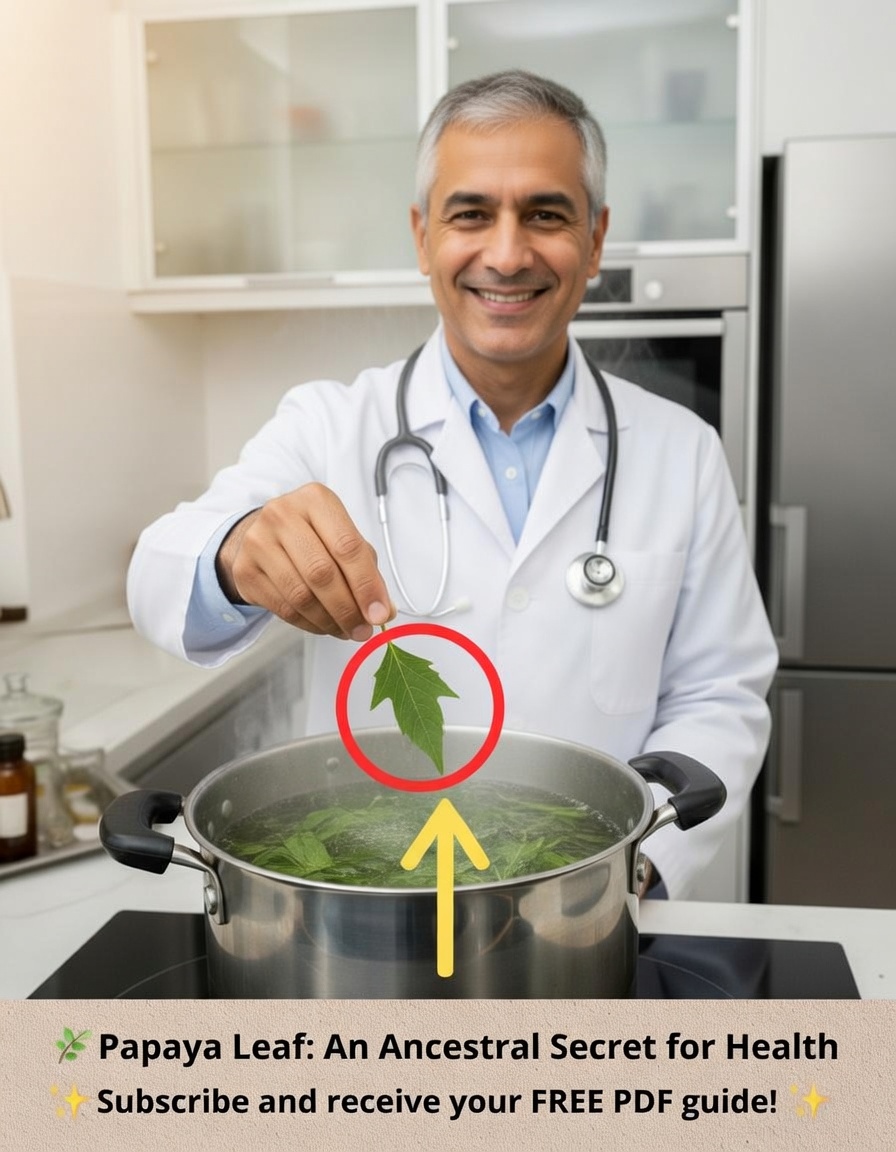
In many tropical regions, papaya is famous for its sweet, refreshing, and nutrient-dense fruit. Yet, beyond the fruit, the leaves of the papaya tree have long held an important place in traditional natural medicine.
For generations, communities across Latin America, Asia, and the Caribbean have prepared papaya leaf infusions and decoctions to support various body functions, especially those related to digestion, immune health, and the body’s natural detox processes.
Papaya leaves are rich in digestive enzymes, antioxidants, vitamins, minerals, and bioactive plant compounds that may promote overall wellness when consumed appropriately. Among the best-known components are papain and chymopapain, two enzymes that help digest food more efficiently.
In this guide, you will learn how to prepare papaya leaf tea, its main properties, potential benefits, and a few enhanced recipes with complementary ingredients that may boost its effects as part of a healthy lifestyle.
Nutritional Properties of Papaya Leaves
Key Components Found in Papaya Leaves
Papaya leaves naturally contain:
- Papain
- Chymopapain
- Vitamin A
- Vitamin C
- B-complex vitamins
- Iron
- Calcium
- Magnesium
- Potassium
- Natural antioxidants
- Flavonoids
- Anti-inflammatory plant compounds
Thanks to this combination of nutrients and phytonutrients, papaya leaves are widely used in traditional home remedies, especially in the form of teas, infusions, and homemade preparations.
Potential Benefits of Papaya Leaves
Below are 20 benefits traditionally associated with moderate consumption of papaya leaf tea or infusion. These effects are based on traditional use and should not be considered medical advice.
-
Support healthy digestion
The enzymes in papaya leaves can help the body break down proteins and heavy foods more effectively. -
May ease indigestion
Papaya leaf tea is often used to relieve feelings of heaviness or discomfort after eating. -
Assist the immune system
Thanks to their antioxidants and vitamin C, papaya leaves may help support the body’s natural defenses. -
Help promote healthy circulation
Certain natural compounds in the leaves are traditionally believed to encourage better blood flow. -
May reduce inflammation
Papaya leaves contain natural anti-inflammatory substances that can contribute to overall comfort. -
Support liver health
In natural medicine, papaya leaves are used to support normal liver function and detoxification processes. -
Help balance the digestive system
Their enzymes may help maintain digestive balance and support regular gut activity. -
Contribute to general wellbeing
Their mineral content can help support energy levels and overall vitality. -
Support natural detox processes
Traditionally, papaya leaf infusions are consumed to stimulate the body’s own detoxification mechanisms. -
May help regulate appetite
Some people drink papaya leaf tea to better manage appetite and eating patterns. -
Promote intestinal health
The plant compounds may help support a balanced gut microbiota and a healthy digestive tract. -
Support skin health
Antioxidants in papaya leaves can help fight oxidative stress, which is linked to skin aging. -
May have antimicrobial effects
Papaya leaves contain compounds with mild antimicrobial activity, traditionally used to help combat certain bacteria. -
Help reduce fatigue
Thanks to their minerals and nutrients, papaya leaves may support energy and reduce tiredness. -
Support cardiovascular health
By contributing to healthy digestion and circulation, papaya leaf tea can indirectly support the cardiovascular system. -
May ease digestive discomfort
Traditionally used to reduce gas, bloating, and digestive tension. -
Support metabolic function
Their plant compounds may help promote a well-functioning metabolism. -
Contribute to hydration
Consumed as a warm or cool infusion, papaya leaf tea helps keep the body hydrated. -
Improve nutrient absorption
Digestive enzymes such as papain can enhance the absorption of nutrients from food. -
Promote overall digestive comfort
A healthier digestion often leads to better overall balance and wellbeing in the body.
Main Recipe: Fortified Papaya Leaf Infusion
This upgraded version of papaya leaf tea combines the leaves with ginger, lemon, and optional honey to enhance its digestive and antioxidant properties.
Ingredients
- 3 fresh papaya leaves
- 1 liter of water
- 1 small piece of fresh ginger
- 1 tablespoon fresh lemon juice
- 1 teaspoon natural honey (optional)
Step-by-Step Preparation
- Wash the papaya leaves thoroughly to remove any dirt or residue.
- Cut the leaves into medium-sized pieces.
- Pour 1 liter of water into a pot.
- Add the chopped papaya leaves to the water.
- Add the piece of fresh ginger.
- Bring the mixture to a boil.
- Let it boil gently for 25 to 30 minutes.
- Turn off the heat and allow the infusion to rest for about 10 minutes.
- Strain the liquid to remove the solids.
- Add the lemon juice to the strained infusion.
- If desired, stir in a small amount of honey to soften the bitter taste.
How to Drink This Papaya Leaf Tea
Traditionally, this fortified papaya leaf drink is consumed as follows:
- 1 glass in the morning on an empty stomach
- 1 glass in the evening
Use it for 7 consecutive days, then take a break before repeating.
Alternative Digestive Recipe
If you prefer a different flavor profile, this alternative recipe combines papaya leaves, cinnamon, and mint for added digestive support and a more aromatic taste.
Ingredients
- 2 papaya leaves
- 1 small stick of cinnamon
- 1 tablespoon fresh mint leaves
- 1 liter of water
Preparation
- Bring the water to a boil.
- Add the papaya leaves to the boiling water.
- Add the cinnamon stick and mint leaves.
- Let the mixture boil for about 20 minutes.
- Strain the infusion and allow it to cool slightly before drinking.
This combination can enhance flavor while also supporting digestion thanks to the properties of cinnamon and mint.
Tips to Get the Most From This Natural Remedy
To make better use of papaya leaf tea in your daily routine:
- Use fresh, clean papaya leaves whenever possible.
- Avoid adding refined sugar; choose honey or drink it unsweetened.
- Drink the infusion freshly prepared rather than storing it for long periods.
- Combine it with a balanced, nutrient-rich diet.
- Maintain adequate daily hydration in addition to the infusion.
Important Precautions
Even though papaya leaves are widely used in traditional medicine, some safety considerations are essential:
- This remedy does not replace medical treatment prescribed by a healthcare professional.
- Not recommended during pregnancy.
- People with chronic illnesses or those taking regular medication should consult a health professional before using papaya leaf preparations.
- Avoid excessive or prolonged consumption.
- Stop using it and seek advice if you experience any discomfort, allergic reaction, or unusual symptoms.
Conclusion
Papaya leaves are considered one of the most versatile natural resources in traditional medicine across many tropical cultures. Their content of digestive enzymes, antioxidants, vitamins, and minerals makes them a popular natural complement for supporting general wellbeing when used responsibly.
Preparing a simple papaya leaf infusion or tea is easy and can be incorporated into a broader natural health routine. When combined with ingredients like ginger, lemon, cinnamon, or mint, the resulting drinks can be even more flavorful and may enhance their digestive and antioxidant effects.
As with any natural remedy, the key is moderation and balance. For best results, pair papaya leaf tea with a healthy diet, good hydration, and an overall wholesome lifestyle.