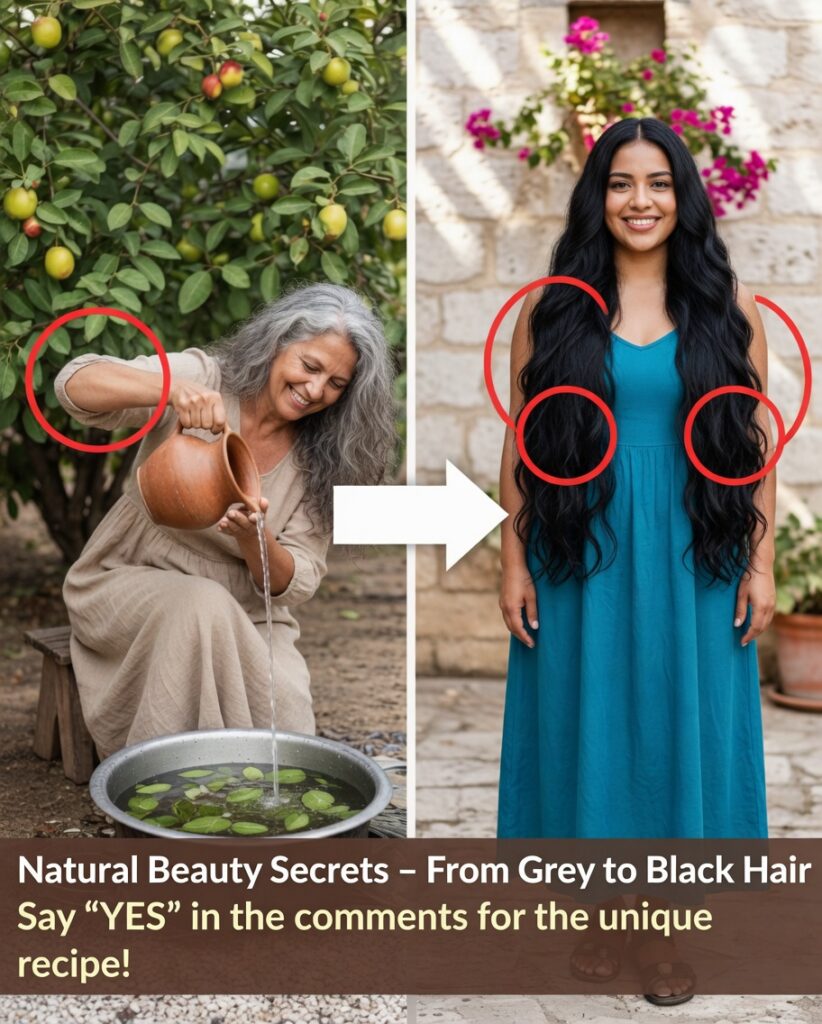
Turn White Hair Dark Naturally: Effective Homemade Recipes with Natural Leaves
Seeing white or gray strands appear is a normal part of aging. Still, many people prefer to darken their hair using natural methods instead of chemical dyes. One of the most popular options is hair care based on natural leaves—especially guava leaves, which are known for their antioxidant and strengthening properties.
This guide explains how guava leaves and other plant ingredients may help revive dull hair, give it a slightly deeper tone, and support a healthier scalp, with easy DIY recipes you can prepare at home.
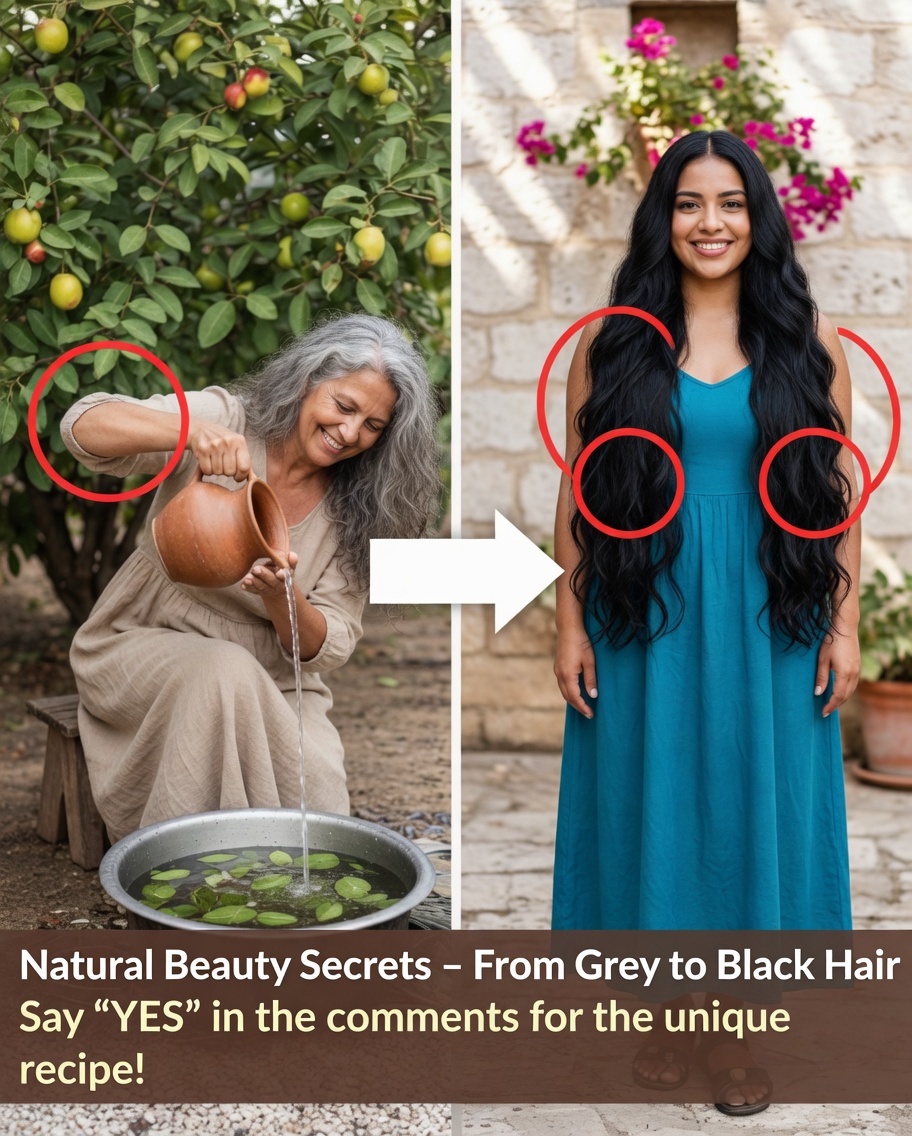
Why Does Hair Turn White or Gray?
Hair turns white or gray when the hair follicles produce less melanin, the pigment responsible for hair color. Several factors can contribute to this loss of pigment:
- Natural aging of the hair follicles
- Oxidative stress (damage caused by free radicals)
- Nutritional deficiencies, especially in vitamin B12, copper, and iron
- Chronic or intense stress
- Genetic predisposition
There is no magic cure to completely reverse gray hair. However, certain natural remedies can soften its appearance, improve hair health, and help the remaining pigment look richer and more vibrant.
Benefits of Guava Leaves for Hair
Guava leaves are packed with active compounds that can support hair and scalp health:
- Rich in antioxidants: Help combat oxidative stress, one of the factors involved in premature graying.
- Source of vitamins B and C: Support stronger hair follicles and healthier hair growth.
- Contain natural tannins: These plant compounds may gently darken the hair over time with regular use.
- Antimicrobial properties: Can help keep the scalp clean and balanced, reducing issues like dandruff or irritation.
While guava leaves will not instantly turn white hair black, regular use can contribute to darker-looking, shinier, and more resilient hair.
Recipe 1: Guava Leaf Hair Rinse
This simple rinse can be used after shampooing to nourish the hair and subtly deepen its tone over time.
Ingredients
- 1 large handful of guava leaves (fresh or dried)
- 1 liter of water
Preparation
- Rinse the guava leaves thoroughly to remove any dirt.
- Bring the water to a boil in a pot.
- Add the leaves to the boiling water.
- Reduce the heat and simmer for 15–20 minutes.
- Remove from heat and let the mixture cool until lukewarm.
- Strain the liquid to remove the leaves.
How to Use
- Wash your hair with your usual shampoo and gently squeeze out the excess water.
- Pour the guava leaf rinse over your hair, from roots to ends.
- Massage your scalp for about 5 minutes to stimulate circulation and help the active compounds penetrate.
- Do not rinse with clear water afterward; let your hair dry naturally or as usual.
Recommended frequency: Use 3 to 4 times per week for best results.
Recipe 2: Concentrated Guava Leaf Hair Tonic
This more concentrated tonic can be applied directly to the scalp as a leave-in treatment to support hair strength and appearance.
Ingredients
- 2 large handfuls of guava leaves
- 500 ml of water
- 1 tablespoon of coconut oil or castor oil (optional, for extra nourishment)
Preparation
- Bring the water to a boil.
- Add the guava leaves to the pot.
- Lower the heat and simmer until the liquid is reduced by about half.
- Turn off the heat and allow the mixture to cool.
- Strain out the leaves.
- If desired, stir in the coconut or castor oil once the tonic is lukewarm.
Application
- Apply the tonic directly to the scalp using your fingertips or a spray bottle.
- Gently massage for a few minutes to encourage absorption.
- Leave it on without rinsing.
- This can be used in the evening so it can work overnight.
Use regularly to help improve scalp health and support a darker, richer look to the hair over time.
Recipe 3: Guava Leaf and Rosemary Hair Mask
Rosemary is widely used in traditional hair care and is often associated with supporting natural pigmentation and hair vitality.
Ingredients
- Boiled guava leaves, crushed into a paste (from a decoction similar to Recipe 1)
- 2 tablespoons of rosemary infusion (strong brewed rosemary tea)
- 1 teaspoon of honey
Preparation
- After boiling the guava leaves, crush them into a smooth paste.
- Add the rosemary infusion to the paste.
- Mix in the honey until you obtain a uniform mixture.
How to Apply
- Start with clean, slightly damp hair.
- Apply the mask from roots to ends, focusing on the scalp and gray areas.
- Leave on for about 30 minutes.
- Rinse thoroughly with lukewarm water and, if needed, use a mild shampoo.
Possible Results with Consistent Use
- Hair appears shinier and more vibrant
- Slightly deeper or warmer tone to the hair
- Roots feel stronger and healthier
Results will vary from person to person and generally appear gradually with regular use.
Extra Tips to Support Natural Hair Color
For best results, pair these external treatments with a healthy lifestyle that supports melanin production and overall hair health:
- Prioritize mineral-rich foods: Include sources of copper, zinc, and iron (such as nuts, seeds, legumes, leafy greens).
- Ensure adequate vitamin B12 intake: Found in animal products and fortified foods; supplements may be helpful for some people (consult a health professional).
- Manage stress levels: Try practices like exercise, yoga, deep breathing, or meditation.
- Limit harsh chemicals: Reduce frequent use of strong dyes, bleach, and aggressive styling products.
- Stimulate the scalp: Regular scalp massages can improve blood circulation and support healthier hair growth.
Conclusion
Darkening white or gray hair naturally is a gradual process that requires patience and consistency. Guava leaves offer a simple, affordable, and natural way to care for your hair, improve its overall health, and potentially give it a slightly darker, richer tone over time.
These home remedies are not a substitute for professional hair treatments or medical advice, but they can be an excellent complement to your routine if you want stronger, shinier, and healthier-looking hair using gentle, plant-based methods.