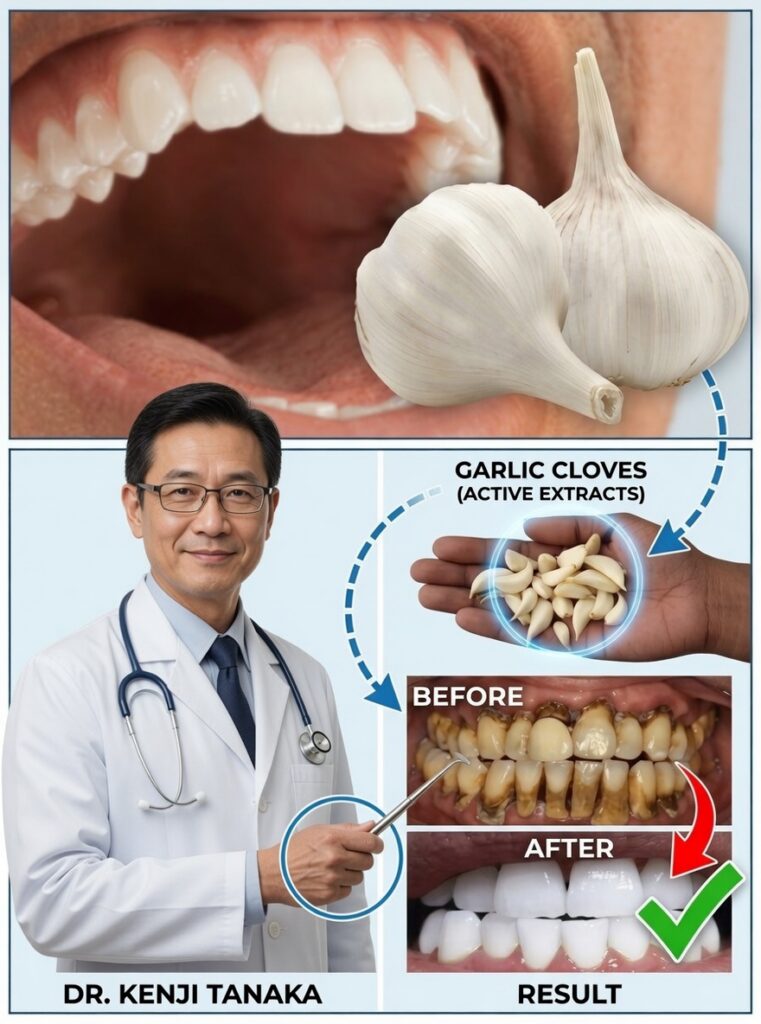
Bleeding Gums and Bad Breath? Garlic Could Be the Natural Antibacterial Boost Your Mouth Needs
If you’re brushing and flossing regularly but still dealing with bleeding gums or persistent bad breath, it can feel like nothing truly works. In many cases, the issue isn’t effort—it’s bacteria hiding in places your routine doesn’t fully reach.
Many common oral problems—such as plaque buildup, gum irritation, tooth sensitivity, and unpleasant breath—are linked to bacterial overgrowth. While many commercial oral care products focus on polishing the surface of teeth, they may not always target the deeper bacterial imbalance that fuels ongoing inflammation and odor.
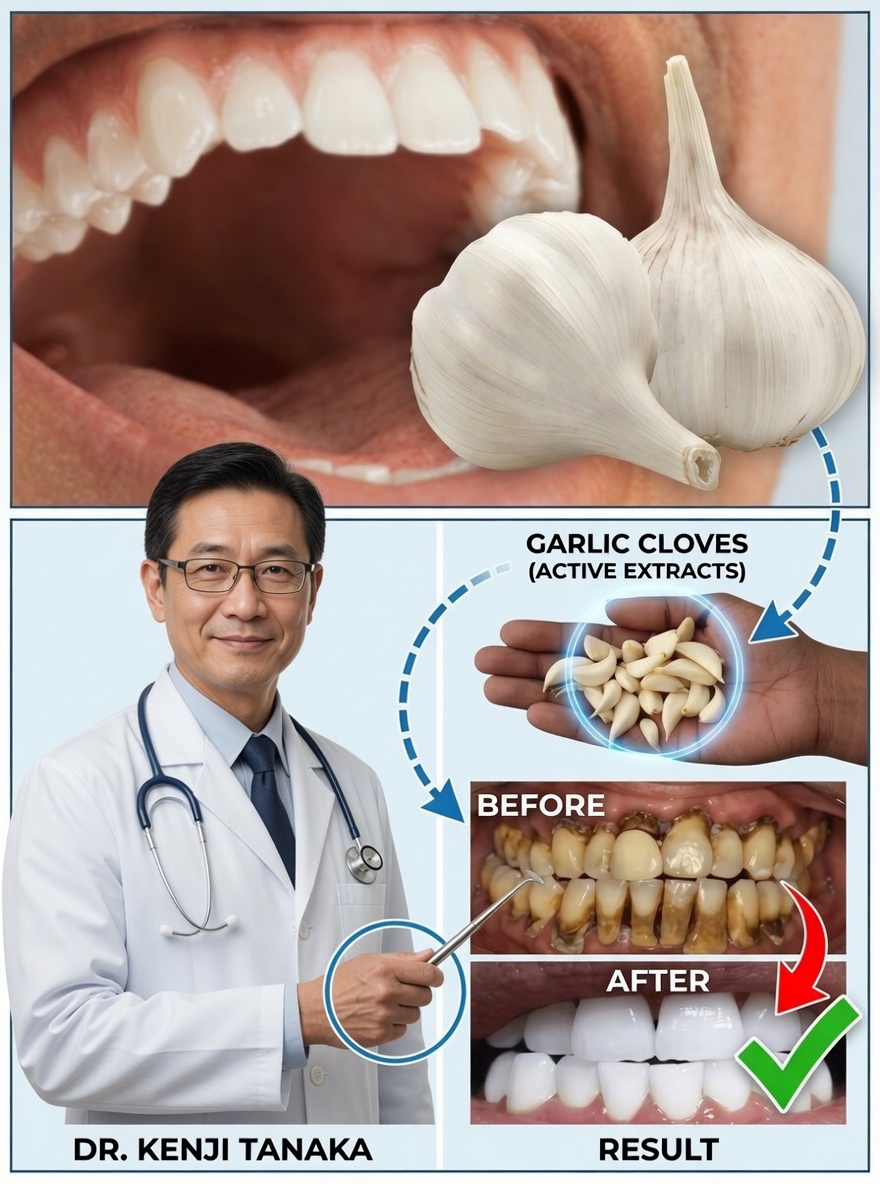
Why Garlic Is Used for Oral Health
Garlic has a long history in traditional wellness practices. Its most famous active compound, allicin, forms when garlic is crushed and left to rest briefly. Allicin is widely recognized for its antibacterial and anti-inflammatory properties and may help create a healthier environment in the mouth when used carefully and correctly.
Key Benefits of Garlic for Teeth and Gums
-
Helps fight plaque-causing bacteria
Allicin may reduce microbes that contribute to plaque formation. For best activation, crush garlic and let it sit for 5–10 minutes before using it. -
May calm irritated or bleeding gums
Garlic’s anti-inflammatory compounds can help soothe gum tissues. A properly diluted garlic oil approach may be gentler than raw garlic. -
Can reduce bad-breath bacteria
Garlic’s strong odor is famous, but it may also help lower the bacteria responsible for foul breath. Using parsley or mint afterward can help manage the lingering smell. -
May support cavity prevention
By lowering bacterial activity, garlic may help protect enamel and reduce the conditions that contribute to tooth decay. -
May ease tooth sensitivity
Some compounds in garlic may help reduce discomfort by calming irritation linked to hot or cold triggers. -
Could help brighten teeth over time
With gentle use, garlic may help reduce some surface staining thanks to mild natural oxidizing action. -
Supports oral defenses through immune support
Overall immune health is closely tied to gum health. Garlic’s immune-supportive properties may help the body resist oral infections and inflammation.
How to Use Garlic Safely for Oral Care
-
Raw garlic chew (short and gentle)
Crush 1 small clove, wait 10 minutes, then chew gently for 30–60 seconds. Rinse well afterward. -
Diluted garlic oil for gums
Combine a few drops of garlic-infused oil with a carrier oil such as coconut oil. Apply a small amount lightly to the gums. -
Garlic tea (mild internal support)
Steep crushed garlic in warm (not boiling) water for a softer option that supports overall cleansing. -
Oil pulling with a garlic twist
Swish coconut oil with a tiny hint of garlic oil for 5–10 minutes, then spit and rinse thoroughly.
Important Tips and Precautions
- Start with very small amounts to test sensitivity.
- Avoid holding raw garlic directly on gums for extended periods—it can cause burning or irritation.
- Skip garlic use if you have allergies or highly sensitive oral tissues.
- If you have severe pain, swelling, pus, or signs of infection, seek help from a dental professional quickly.
A Simple Habit That Could Make a Real Difference
Picture your mouth in 30 days: gums feeling steadier, breath noticeably fresher, and your smile more comfortable and confident. Sometimes, the most effective changes come from simple, consistent natural habits—used safely and with care.