Natural Leaf Remedies for Varicose Veins
Varicose veins often come with aching, swelling, and visible bulging that many people find uncomfortable and frustrating. Alongside medical care, some traditional plant-based approaches may help support circulation, ease inflammation, and soothe the skin. One popular home method is using medicinal leaves topically to calm the affected area and reduce the feeling of heaviness in the legs.
Best Medicinal Leaves for Varicose Veins
Below are several leaves commonly used in natural care routines for varicose veins and spider veins, along with simple ways to apply them at home.
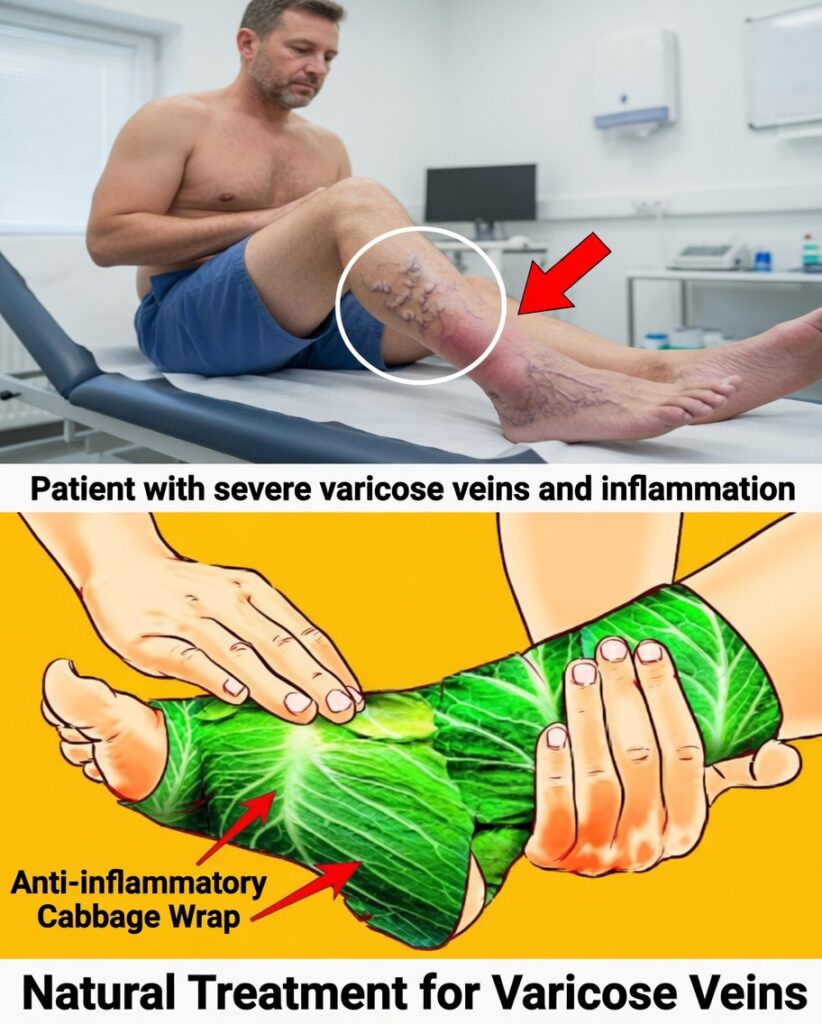
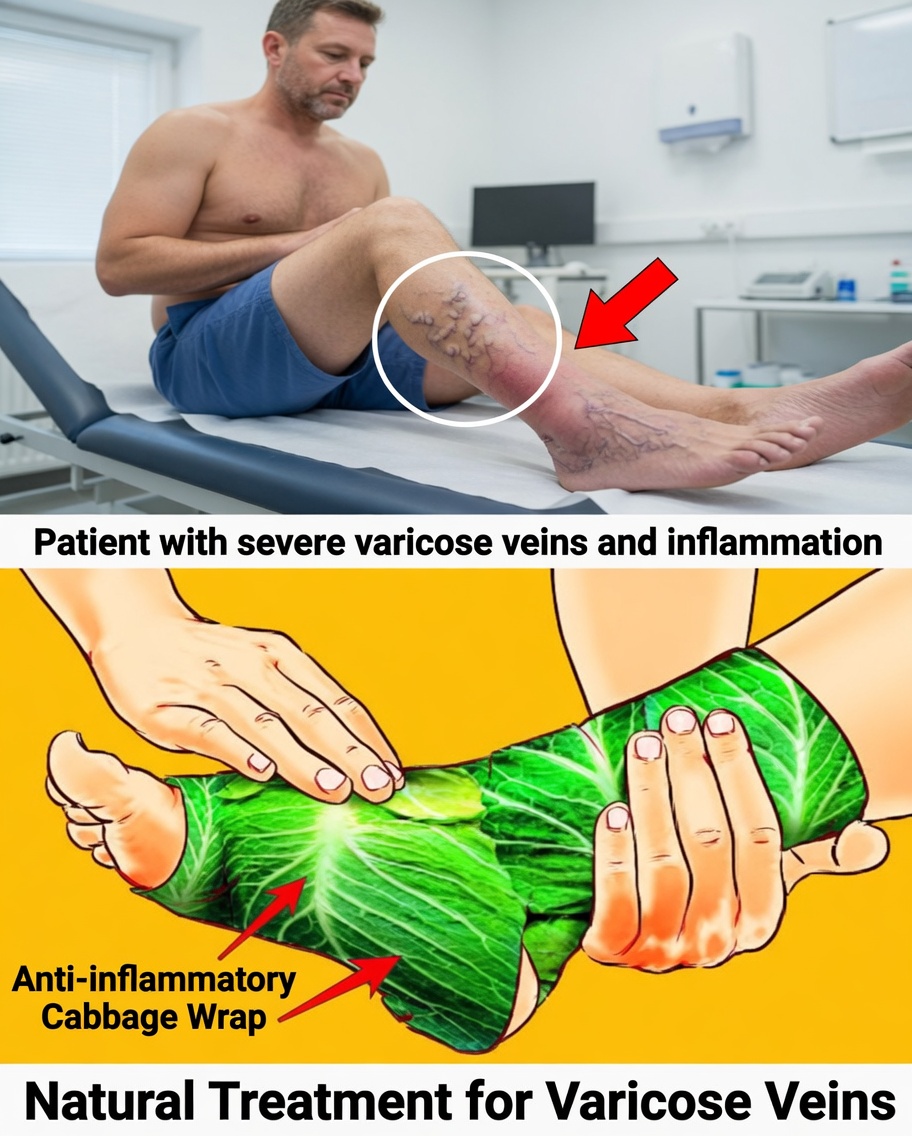
1) Cabbage Leaves
Cabbage leaves are widely used in folk remedies because they may help reduce fluid retention and calm swelling.
Potential benefits
- May help draw out excess fluid
- Can support relief from puffiness and irritation
How to use
- Rinse fresh cabbage leaves and gently crush them to release their juices.
- Place the leaves directly over the visible veins.
- Secure with a clean bandage or wrap.
- Leave on for about 2 hours, then rinse the area with cool water.
2) Grape Leaves
Grape leaves contain flavonoids, plant compounds associated with supporting blood vessel strength and healthy circulation.
Potential benefits
- Supports circulation
- May help reduce the look and feel of vein swelling
How to use
- Boil grape leaves in water for 10 minutes.
- Allow them to cool to a comfortable temperature.
- Apply to the affected area for 30 minutes.
- For added support, keep your legs elevated during the application.
3) Aloe Vera Leaves (Gel)
Aloe vera is best known for skin comfort and hydration, and it may also feel soothing when used as part of a nightly leg-care routine.
Potential benefits
- Helps soothe the skin over irritated veins
- Moisturizes and supports a healthy skin barrier
How to use
- Extract fresh aloe vera gel and spread a thin layer on the area.
- Massage gently in small circular motions.
- Leave on overnight.
- Rinse off in the morning if desired.
4) Parsley Leaves
Parsley naturally contains vitamin C and rutin, nutrients often linked to capillary support.
Potential benefits
- Supports capillary strength
- May help calm redness and irritation associated with spider veins
How to use
- Boil a handful of parsley in 1 cup of water for 5 minutes.
- Let it cool, then strain the liquid.
- Add a few drops of lemon juice.
- Apply with a cotton ball daily to the affected area.
5) Chestnut Leaves
Chestnut leaves are associated with aescin, a plant compound often used in traditional approaches for swelling and heavy legs.
Potential benefits
- May help reduce swelling and discomfort
- Supports circulation in tired legs
How to use
- Crush fresh chestnut leaves into a paste.
- Apply a thin layer over the visible veins.
- Leave on for about 1 hour.
- Rinse with cool water and repeat 3–4 times per week.
Extra Tips to Support Circulation and Reduce Discomfort
For better results, combine topical care with daily habits that encourage healthy blood flow:
- Massage daily using coconut oil; consider essential oils like cypress or rosemary (diluted properly).
- Elevate your legs for 15–20 minutes each day.
- Sip herbal teas commonly used for circulation support, such as ginger, horse chestnut, or dandelion.
- Stay active: walking and gentle stretching can help improve circulation in the legs.
A Simple, Natural Approach to Varicose Vein Care
These leaf-based home remedies may help reduce swelling, support circulation, and improve overall leg comfort—especially when paired with consistent movement and leg elevation. For persistent pain, sudden swelling, or skin changes, it’s best to consult a healthcare professional to rule out more serious vein conditions.