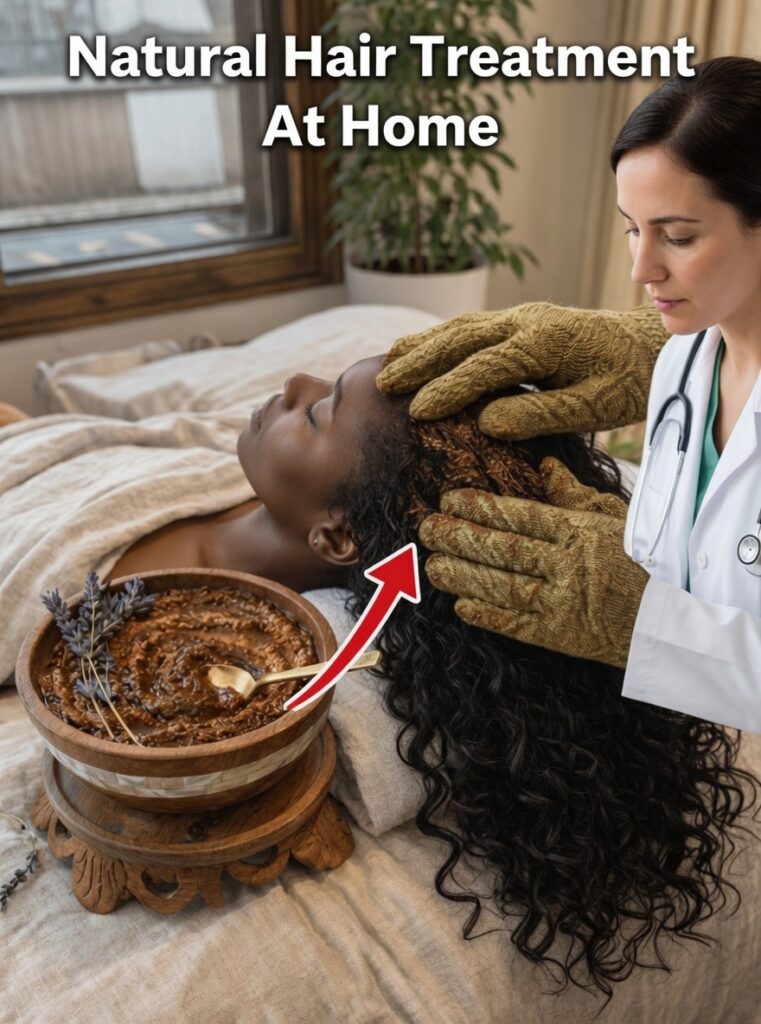
Hair Loss, Dryness, and Weak Strands? This Natural Blend Could Be the Reset Your Hair Needs
Have your hair strands started to look drier, more brittle, and noticeably dull after repeated coloring? Do you keep switching dyes, yet your hair still never looks truly healthy? If that sounds like you, keep reading—there’s a time-tested, natural approach that’s becoming popular again worldwide.
For many people—especially after age 30—gray hair becomes part of everyday life. The most common fix is chemical hair dye, but frequent use often comes with unwanted downsides: a sensitive scalp, weaker strands, and color that fades faster than expected.
Why Many People Choose to Avoid Conventional Hair Dyes
A large number of boxed and salon dyes rely on ingredients such as ammonia and hydrogen peroxide. While effective for changing color, these chemicals can strip the hair of its natural moisture, leaving it rough, dull, and more prone to breakage over time. With repeated applications, scalp discomfort and sensitivity may also increase.
That’s why more people are turning toward natural hair coloring alternatives, inspired by traditional routines that have been used for generations.
The Indian Hair Secret Gaining Global Attention
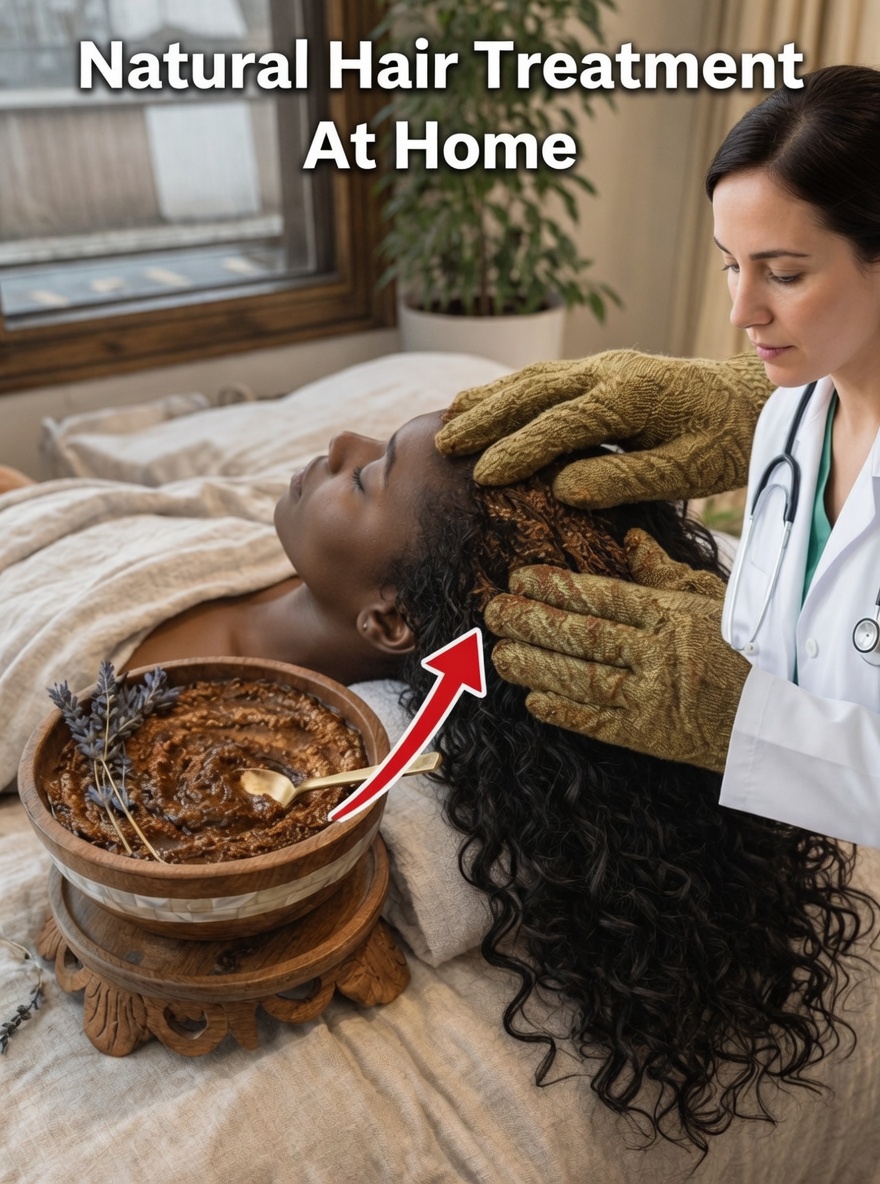
In Indian hair care tradition, a simple herbal combination has been used for centuries: henna, often paired with indigo, amla, and sometimes coffee or black tea. This blend can help softly darken gray hair while also supporting healthier-looking strands.
These herbs don’t only change the shade. They can also leave a light protective coating around the hair, which may improve shine, smoothness, and overall appearance.
What Makes Herbal Coloring Different?
Unlike many chemical dyes that open the hair cuticle and penetrate deep into the hair fiber, herbal blends tend to work more like a natural stain or coating. This approach can reduce damage and help maintain the structure of the strands.
Many of these ingredients also contain antioxidant properties, which may support hair against daily stressors such as sun exposure, pollution, and heat styling.
Benefits You May Notice Over Time
- Softer hair and natural shine
- Less scalp irritation (especially for those sensitive to chemical dyes)
- A more natural-looking, even tone
- Stronger-looking strands
- More gradual fading, without an obvious “root line”
How to Make This Natural Hair Mix at Home
Ingredients
- 1 cup pure henna powder
- 2–3 tablespoons indigo powder
- 1 tablespoon amla powder
- 1 teaspoon coffee or black tea (optional)
- Warm water or yogurt (to form the paste)
- A few drops of essential oil (optional)
Step-by-step directions
- In a non-metal bowl, combine all dry ingredients.
- Slowly add warm water or yogurt, mixing until you get a smooth, creamy paste.
- Let the mixture rest for 4 to 6 hours.
- Apply to clean hair, from roots to ends.
- Cover the hair and leave it on for 2 to 4 hours.
- Rinse thoroughly using water only, and avoid shampoo for up to 48 hours.
Important Tips for Best Results
- Always do a strand test first to preview the color outcome.
- Choose high-quality powders for better performance and consistency.
- Reapply every 3–4 weeks, depending on your gray coverage needs.
- Avoid harsh products right after application.
- Add natural oils if your hair needs extra hydration.
Final Thoughts
Trying natural hair coloring methods can change more than your look—it can shift your entire approach to hair care toward something gentler and more balanced. Traditional herbal routines often support healthier-looking hair while offering a softer alternative to frequent chemical dyeing.
Keep in mind that every hair type reacts differently. You may need small adjustments to find the ideal mix and timing for your hair.
Disclaimer: This content is for informational purposes and does not replace professional advice. If you have scalp sensitivity or any scalp condition, consult a qualified specialist before starting a new hair routine.