Horseweed (Erigeron canadensis / Canadian Fleabane): 20 Traditional Benefits and Simple Ways to Use It
Horseweed—also called Erigeron canadensis or Canadian fleabane—is a common wild herb you’ll often spot along roadsides, gardens, fields, and disturbed soil. Many people dismiss it as an ordinary weed, yet it has a long record of traditional herbal use. Below are 20 commonly cited benefits of horseweed, each paired with beginner-friendly instructions so you can understand how it’s traditionally applied.

1) Helps slow minor bleeding
Traditionally used to reduce light bleeding from small cuts and nicks.
How to use: Crush fresh leaves and press them directly onto a clean, minor wound.
2) May reduce inflammation
Often used to calm swelling in the skin or around joints.
How to use: Brew tea from dried leaves, soak a cloth in the warm tea, and apply as a compress.
3) Supports digestion
Traditionally taken for bloating, gas, and slow digestion.
How to use: Steep 1 teaspoon of dried leaves in hot water and drink once daily.

4) Acts as a mild diuretic
Used to encourage the body to release excess fluid.
How to use: Drink a gentle tea made from young leaves once a day.
5) Used for diarrhea relief
Historically used to help “tighten” the bowels and settle the stomach.
How to use: Boil the leaves, strain, and drink ½ cup when symptoms begin.
6) May ease toothache discomfort
Traditionally used to dull pain in teeth or gums.
How to use: Chew a small piece of fresh root, or rinse the mouth with cooled tea.
7) Supports wound healing
Applied to help scrapes and cuts recover more quickly.
How to use: Place crushed fresh leaves over a clean wound as a simple poultice.

8) Helps with menstrual cramps
Used to soothe lower-abdominal discomfort during menstruation.
How to use: Drink warm horseweed tea for a few days before your period and during it.
9) Calms a sore throat
Traditionally used to coat and relax irritated throat tissues.
How to use: Gargle with lukewarm tea 2–3 times daily.
10) Supports urinary health
Sometimes used to help flush the urinary tract during minor discomfort.
How to use: Drink a mild tea for a few days—consult a doctor first, especially if symptoms persist.
11) Helps soothe mouth ulcers
Used as a rinse to support healing of small sores in the mouth.
How to use: Rinse with cooled tea morning and night.
12) Soothes insect bites
Applied to reduce itching and irritation from bites.
How to use: Rub crushed leaves directly onto the bite area.

13) Works as a natural astringent
Traditionally used to tighten skin and reduce excess oil.
How to use: Dip a cotton ball in cooled tea and dab onto the skin.
14) May help with headaches
Used in folk practices for tension-style headaches.
How to use: Soak a cloth in warm tea and rest it on the forehead.
15) Supports mild fungal concerns
Sometimes used to help manage minor fungal skin issues.
How to use: Gently wash the area twice daily with cooled tea.
16) Soothes skin rashes
Used to calm irritated, itchy, or reddened skin.
How to use: Apply diluted tea to the area or use a soft cloth soaked in tea.
17) Supports the lungs
Traditionally used to ease coughs or chest congestion.
How to use: Slowly sip fresh tea or inhale steam from a newly brewed cup.

18) Promotes “detox” support
Often used to support the body’s natural cleansing pathways.
How to use: Drink 1 cup daily for 5–7 days.
19) Helps reduce joint pain
Used in compresses to ease stiffness and discomfort.
How to use: Apply a warm compress soaked in tea over sore joints.
20) Naturally repels insects
Traditionally used to discourage insects such as mosquitoes.
How to use: Rub fresh leaves on exposed skin or hang small bunches near outdoor sitting areas.
How to Make Horseweed Tea (Basic Recipe)
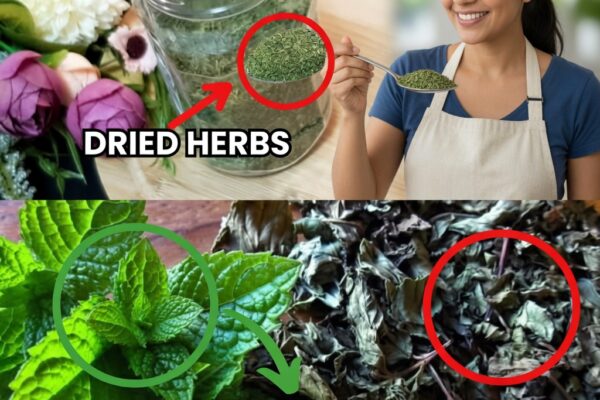
- Add 1 teaspoon of dried leaves (or a small handful of fresh leaves) to 1 cup of water.
- Bring to a boil, then simmer for 10 minutes.
- Strain and use warm for drinking or allow it to cool for topical use, depending on your goal.
Disclaimer
This content is for informational purposes only. Horseweed has a history of traditional use, but you should consult a qualified medical professional or experienced herbalist before trying it—especially for ongoing symptoms. Do not self-treat serious conditions. Avoid using horseweed during pregnancy, breastfeeding, or while taking medication unless a professional advises it is safe.