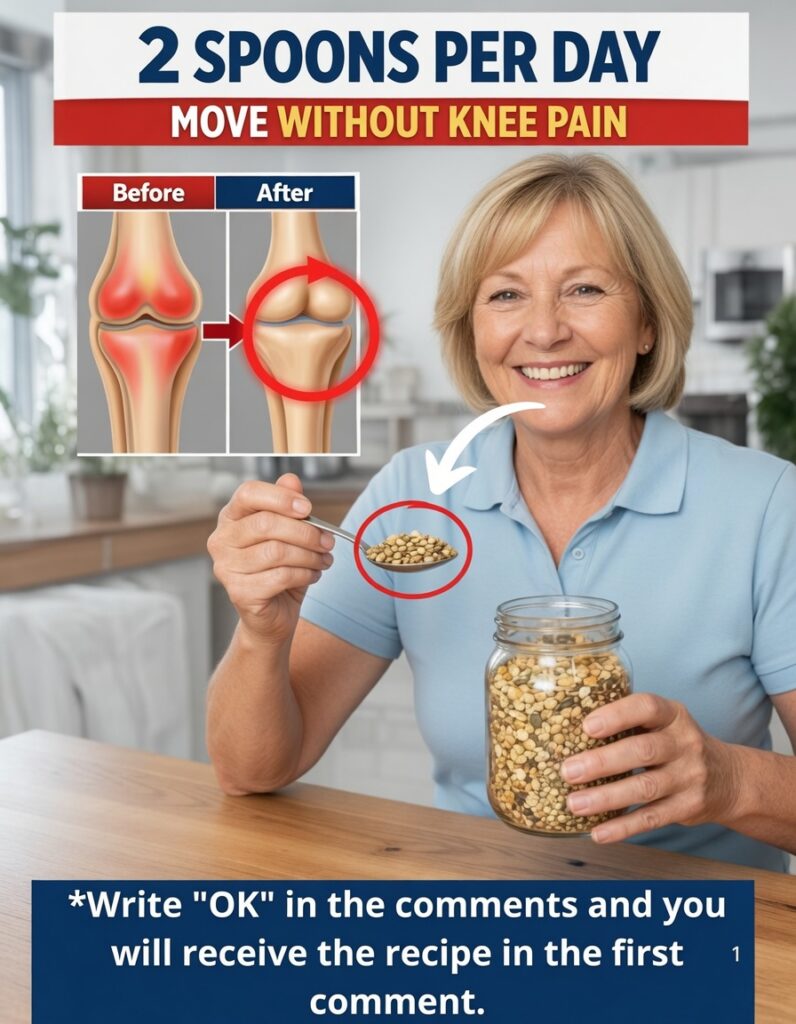
Knee Stiffness With Age: A Simple Idea to Try
As we get older, many people notice increasing stiffness and discomfort in their knees. Everyday tasks — walking, climbing stairs, getting up from a chair — can gradually become more challenging. This ongoing discomfort can disturb sleep, affect mood, and reduce the enjoyment of time with family and friends.
One small but meaningful change that may support joint comfort is adjusting what you eat. Adding a natural, inexpensive food like oats to your daily routine may help support both joint health and overall well-being.
The key is consistency and using the right amount.
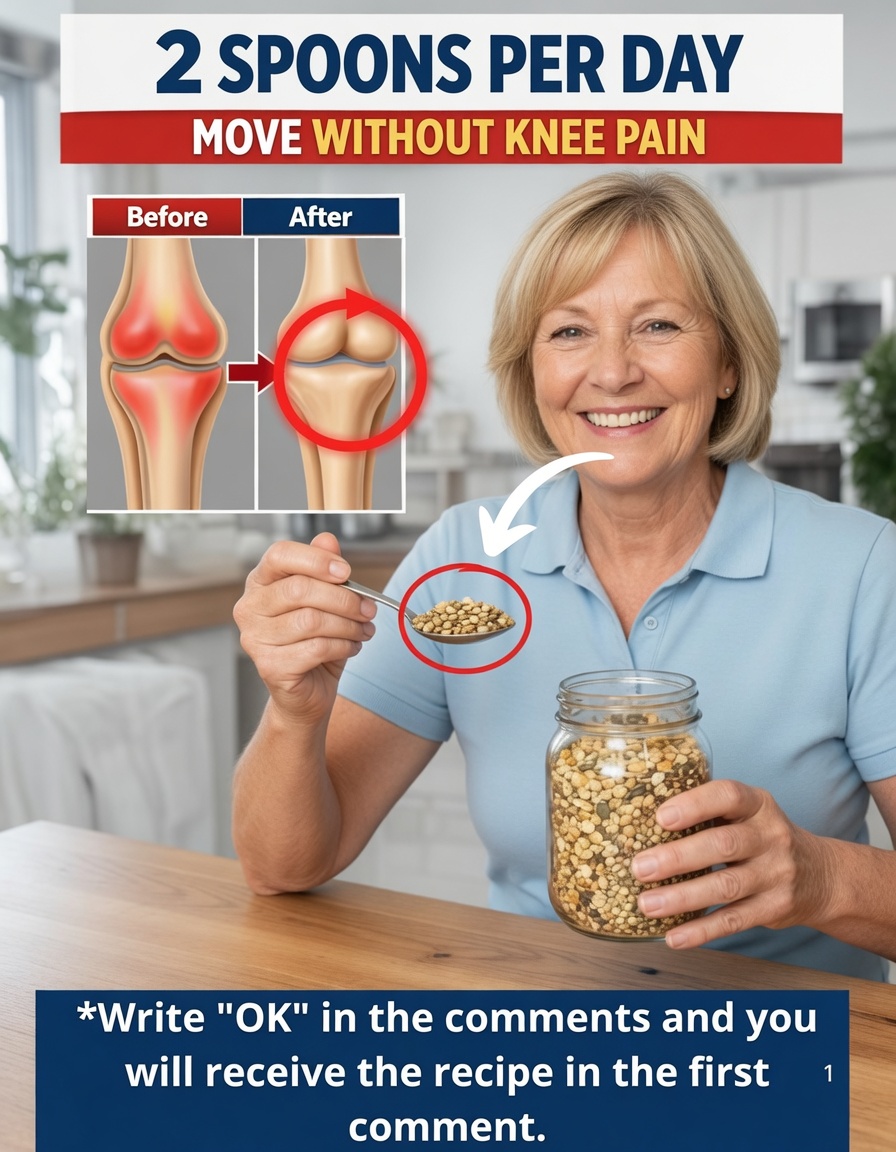
Why Joint Health Matters As You Age
Over time, the body changes in ways that can affect the joints:
- Joints tend to become less flexible
- Movements can feel stiffer or more limited
This can restrict daily activities, reduce independence, and also have a psychological impact, leading to frustration or lowered quality of life.
For these reasons, many people look for gentle, natural strategies to support their joints — and oats are increasingly being explored as one of those options.
What Science Suggests About Oats
Oats are widely known as a healthy food, but they are now attracting attention for more than just heart and digestive health. Researchers are particularly interested in:
- Their rich nutritional profile
- Their potential influence on inflammatory processes in the body
Oats provide several notable compounds, including:
- Beta-glucans (soluble fibers)
- Avenanthramides (unique antioxidants found almost only in oats)
These components may play a role in supporting joint comfort and overall resilience.
The Key Compounds in Oats
Avenanthramides
Avenanthramides are special antioxidant molecules naturally present in oats. Research suggests they may:
- Help protect cells from oxidative stress
- Support the body’s own anti-inflammatory responses
These effects could contribute to better comfort in the joints over time.
Beta-Glucans
Beta-glucans are soluble fibers that:
- Support healthy digestion and gut function
- Contribute to internal balance, which is closely linked to immune and inflammatory responses
Some studies indicate that these fibers may aid recovery and comfort, particularly when used regularly as part of a balanced diet.
Why Just 2 Tablespoons?
You do not need large amounts to benefit from oats.
Around 2 tablespoons (15–20 g) per day are enough to:
- Provide useful nutrients and beneficial compounds
- Avoid adding too many extra calories
This small portion is easy to include in your existing meals or snacks without major changes to your diet.
Simple Ways to Add Oats to Your Day
Oats are versatile and can be combined with many foods you may already enjoy. For example:
- Blend into a smoothie with banana and plant-based milk
- Stir into yogurt or cottage cheese
- Mix into homemade snack bars or energy bites
- Add to muffin or pancake batter
- Use as a light thickener in soups or stews
These are simple, flexible options that make it easy to stay consistent.
How to Turn It Into a Daily Habit
To benefit from oats, regularity matters more than quantity. You can:
- Measure 2 tablespoons of oats each morning
- Decide how you will eat them that day (smoothie, yogurt, baking, etc.)
- Keep the routine as consistent as possible
- Pay attention to how you feel after about 2 weeks
- Adjust the recipes and combinations according to your taste and schedule
The easier the habit, the more likely you are to maintain it over time.
Tips to Maximize the Benefits
You can reinforce the potential effects of oats with a few supportive habits:
- Combine oats with foods rich in vitamin C (e.g., berries, citrus fruits, kiwi)
- Drink enough water throughout the day
- Include gentle movement, such as walking, stretching, or yoga
- Choose minimally processed oats (e.g., regular rolled or steel-cut oats) when possible
- Rotate recipes so you do not get bored and stay motivated
Above all, give your body time. Changes related to joint comfort are often gradual.
What Research Indicates
Current studies suggest that:
- Oats can help support a balanced inflammatory response
- Their unique compounds contribute to overall well-being, including cardiovascular and metabolic health
However, the impact can vary from person to person, depending on diet, lifestyle, and individual health status.
Combine Oats With a Healthy Lifestyle
Oats work best as part of a broader, healthy routine. Their effects may be enhanced when combined with:
- Regular light physical activity suited to your ability (such as walking or swimming)
- Sufficient, good-quality sleep
- Stress management techniques (breathing exercises, relaxation, enjoyable hobbies)
Think of oats as one element within a whole-body approach to aging well and caring for your joints.
Frequently Asked Questions
When might I start noticing a difference?
Many people report changes in how they feel after 2 to 4 weeks of daily, consistent intake, although this is individual.
Are there side effects?
Oats are usually well tolerated by most people. Those with celiac disease, gluten sensitivity, or oat allergies should seek medical advice before increasing their intake.
Which type of oats should I use?
Rolled oats, steel-cut oats, or even instant oats can all be used. Minimally processed varieties may offer slightly better nutritional value, but all forms can be beneficial.
Conclusion
Adding just 2 tablespoons of oats per day is a simple, affordable, and natural habit that may help support joint comfort, especially as you age.
- Easy to include in many meals
- Budget-friendly
- Based on whole, natural food
A small, consistent daily step like this can contribute to meaningful benefits over the long term when combined with a generally healthy lifestyle.
Important Disclaimer
This information is for educational purposes only and does not replace professional medical advice. Always consult a doctor or qualified health professional before making significant changes to your diet, especially if you have existing health conditions, joint problems, or are taking medication.